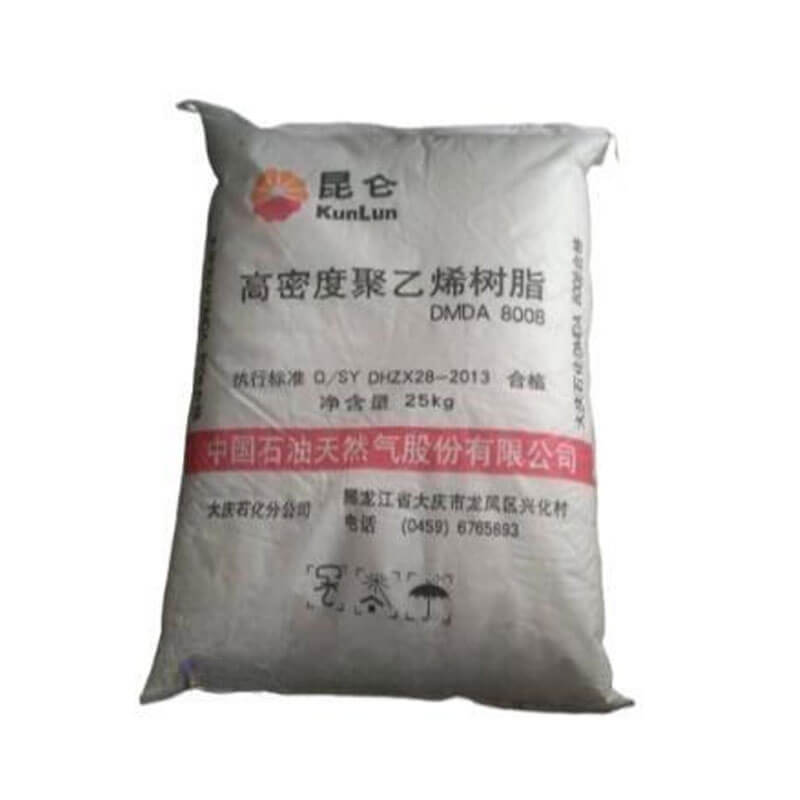
High‑Density Polyethylene Resin HDPE

    • Product Name: High‑Density Polyethylene Resin HDPE
    • Factroy Site: Xinghua Village, Longfeng District, Daqing City, Heilongjiang Province
    • Price Inquiry: sales6@ascent-chem.com
    • Manufacturer: PetroChina Daqing Petrochemical Company
    • CONTACT NOW
    Specifications
    HS Code 182889
    Density 0.941–0.965 g/cm³
    Melt Flow Index 0.1–20 g/10 min (190°C, 2.16 kg)
    Tensile Strength 20–35 MPa
    Tensile Elongation At Break 100–1000%
    Flexural Modulus 0.8–1.5 GPa
    Izod Impact Strength Notched 5–10 kJ/m²
    Heat Deflection Temperature 0 45 Mpa 70–90°C
    Vicat Softening Temperature 120–130°C
    Melting Point 125–140°C
    Thermal Conductivity 0.4–0.5 W/(m·K)
    Coefficient Of Linear Thermal Expansion 100–200 × 10⁻⁶ /°C
    Water Absorption 24h ≤0.01%
    Volume Resistivity >10¹⁵ Ω·cm
    Dielectric Constant At 1 Mhz 2.3–2.4
    Chemical Resistance Resistant to dilute acids, bases, alcohols, and many solvents; poor resistance to oxidizing acids, chlorinated hydrocarbons, and aromatics
    Uv Resistance Without Stabilizer Poor; requires carbon black or UV stabilizers for outdoor use

    As an accredited High‑Density Polyethylene Resin HDPE factory, we enforce strict quality protocols—every batch undergoes rigorous testing to ensure consistent efficacy and safety standards.

    Packing & Storage
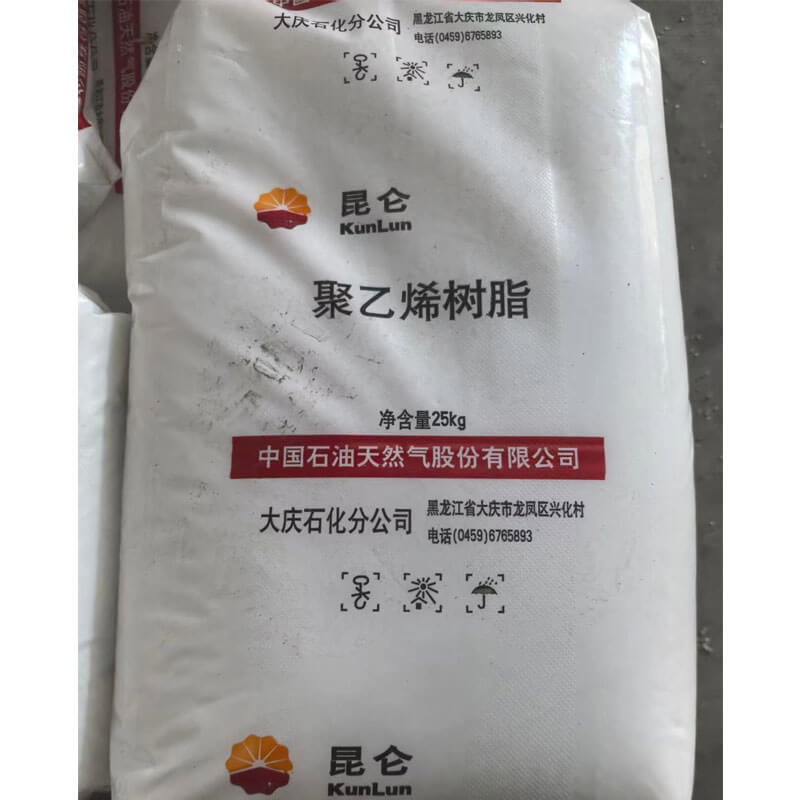
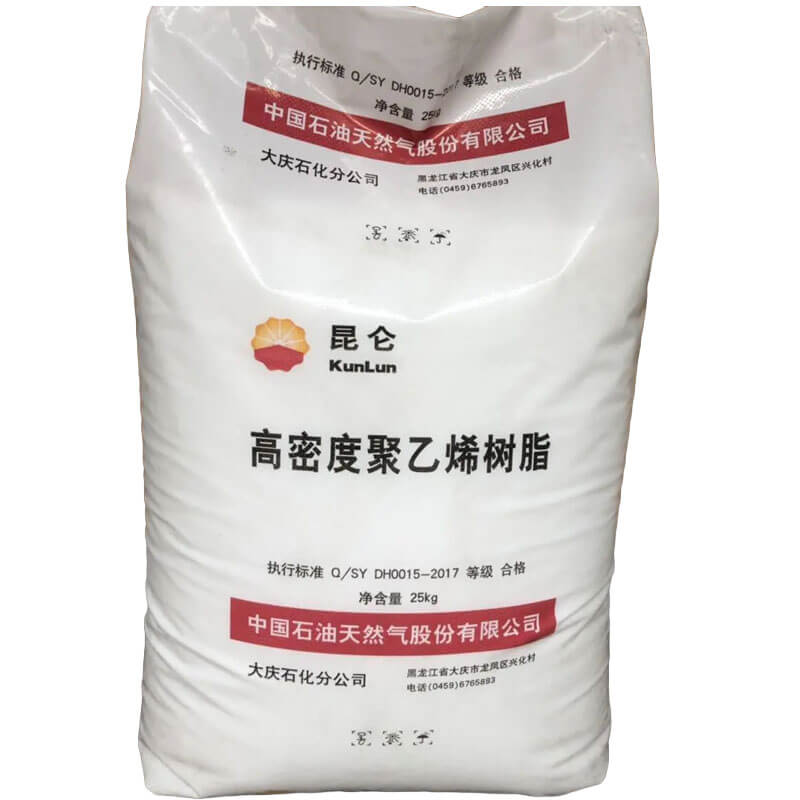
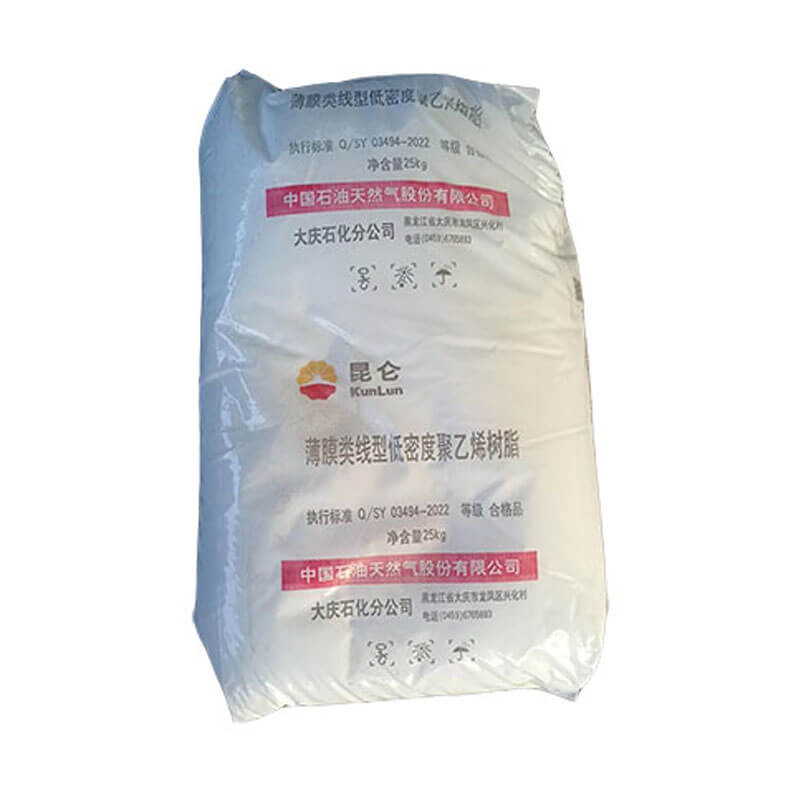
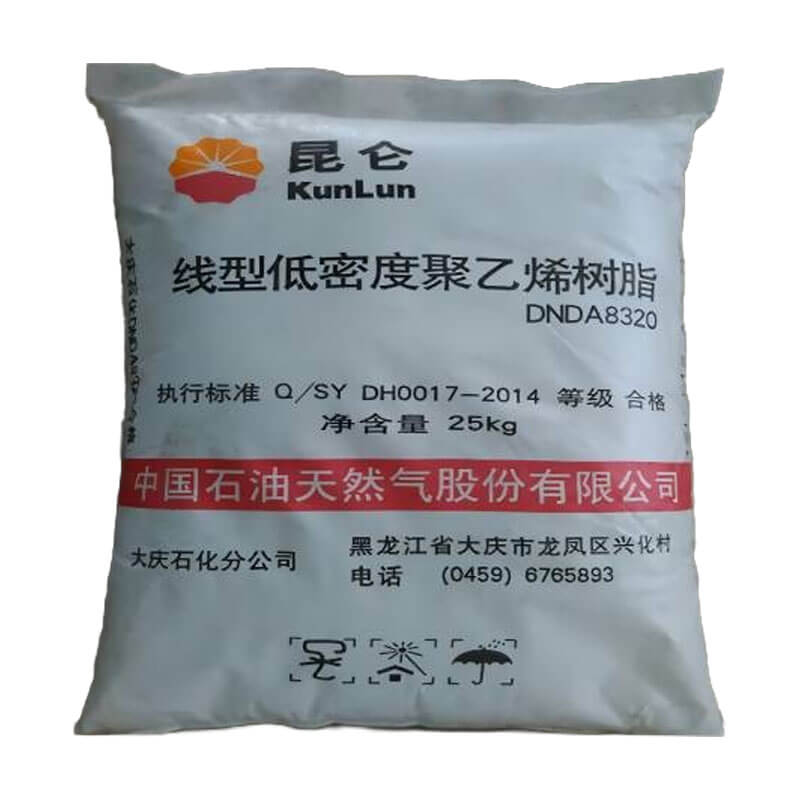
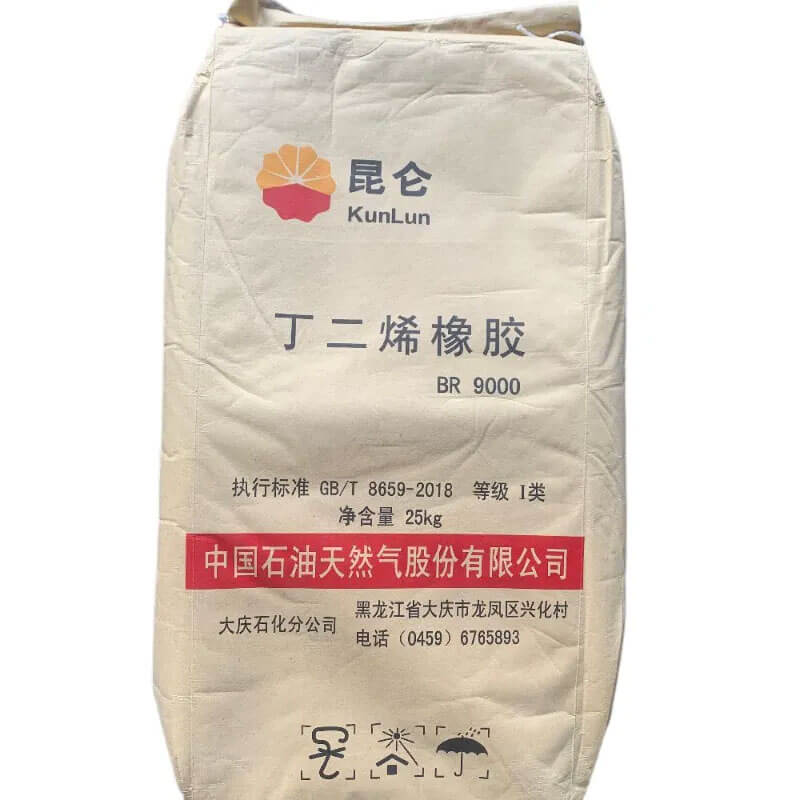
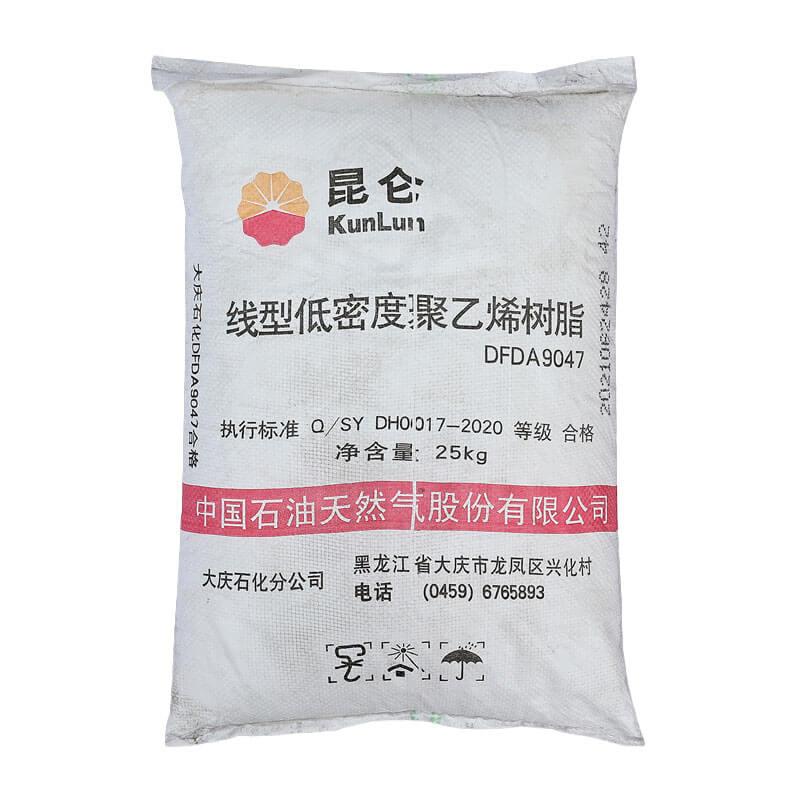
    Packing High-Density Polyethylene Resin HDPE packaged in 25 kg moisture-resistant bags for safe transport and storage.
    Container Loading (20′ FCL) Loading 20′ FCL of HDPE resin involves bagged/palletized cargo, secure bracing, waterproof lining, ensuring safe, efficient transport.
    Shipping High-Density Polyethylene (HDPE) Resin ships as free-flowing pellets in 25 kg bags, bulk bags, or hopper trucks. Ensure dry, clean storage away from direct sunlight and moisture. Not regulated as dangerous goods, but prevent dust accumulation and use proper handling equipment to avoid static discharge.
    Storage Store HDPE resin in a cool, dry, well-ventilated area, away from direct sunlight, heat sources, and open flames. Keep material in unopened, original packaging or sealed containers, elevated off the floor to prevent moisture pickup and contamination. Avoid rough handling that tears bags, and rotate stock to maintain quality during normal storage life.
    Shelf Life HDPE resin has an indefinite shelf life when stored in a cool, dry, shaded area, protected from UV and extreme heat.
    Application of High‑Density Polyethylene Resin HDPE

    On continuous shuttle and rotary wheel blow moulding lines, high-molecular-weight HDPE with a high-load melt index of 6–15 g/10 min at 190 °C/21.6 kg and density 0.950–0.956 g/cm³ is converted into dairy, home-care, and industrial chemical containers. Typical lines use grooved-feed single-screw extruders with L/D ratios of 25:1–32:1; barrel temperatures are set at 180–230 °C, the die head is held at 190–205 °C, and a parison programmer modulates die gap between 0.5 mm and 1.5 mm to prevent thin spots in square or rectangular bottles. Blow air pressure is maintained at 0.6–1.0 MPa, mould surface temperature is controlled at 10–25 °C, and clamp force ranges from 100 kN for a 200 mL bottle to 450 kN for a 25 L jerrycan. The formulation is dominated by the base resin at ≥96 wt%; colour masterbatch is added at 2–4 wt%, UV stabiliser for outdoor or chemical jerrycans at 0.15–0.30 wt%, and primary antioxidant at 0.05–0.10 wt%. Food-contact containers require olefin polymer compliance under FDA 21 CFR 177.1520 and Regulation (EU) No 10/2011, including Annex I migration limits; pharmaceutical packaging may require USP <661>. Dangerous-goods jerrycans are additionally tested to ADR/RID UN certification protocols. Batch-to-batch shifts in molecular weight distribution are observed on production lines as die swell variation causing wall-thickness errors; grades with HLMI below 6 g/10 min raise extruder drive load, while HLMI above 15 g/10 min reduces parison melt strength. Finished products include 200 mL dairy bottles, 1 L laboratory reagent bottles, 5 L F-style industrial jugs, 20 L UN-certified jerrycans, and 25 L dispenser bottles.

    Injection Molding Melt Flow Selection Governs Cap Closure Seal Integrity

    Because cap closure performance is determined by melt flow and narrow molecular weight distribution, injection moulding grade selection begins with HDPE grades having melt flow index 4–30 g/10 min at 190 °C/2.16 kg and density 0.952–0.963 g/cm³. Reciprocating-screw equipment with clamp force between 180 t and 320 t and 48–96-cavity hot-runner tools runs melt temperature 200–260 °C, mould temperature 10–35 °C, injection pressure 600–1200 bar, and holding pressure 400–800 bar; screw L/D is typically 20:1–25:1 with a compression ratio of 2.5:1–3.5:1. The compound uses base resin at >97 wt%, primary antioxidant at 0.05–0.10 phr, calcium stearate acid scavenger at 0.02–0.05 phr, erucamide slip agent at 0.05–0.15 wt%, and optional nucleating agent at 0.05–0.20 wt% for faster cycle times. Slip concentrations above 0.15 wt% reduce removal torque but may compromise cap print adhesion and organoleptic neutrality in food-contact closures. Compliance for food-contact caps and pails is anchored to FDA 21 CFR 177.1520, Regulation (EU) No 10/2011, and USP <661> for pharmaceutical closures; mechanical material conformance is checked under ASTM D4976. Continuous service above 60 °C is an operational boundary because HDPE caps lose hoop stress retention and allow loosening on hot-filled containers. Finished products include still water and juice closures, tamper-evident bands, detergent caps, pharmaceutical closures, 1 L to 25 L injection moulded pails, crates, and pallets.

    When Excess Moisture Enters the Extruder, What Happens to PE100 Pipe Consistency?

    Surface condensate on HDPE pellets does not absorb into the polymer to any significant degree, but it can still generate melt fracture, pinholes, and vacuum calibration instability during PE100 pressure pipe extrusion because water flashes inside the die and disturbs the melt front. PE100 compounds for pressure pipe are built from natural HDPE base resin with melt flow rate 0.2–0.5 g/10 min at 190 °C/5.0 kg and density 0.950–0.965 g/cm³. Carbon black masterbatch containing 40 wt% carbon black is metered at 5.0–6.0 wt% to deliver 2.0–2.5 wt% carbon black in the final pipe, as required by ISO 4427-2 and EN 12201-2 for UV-stabilised black utility pipe. A hindered phenol/phosphite antioxidant blend is added at 0.10–0.25 wt% to achieve an oxidation induction time of ≥20 min at 200 °C under ISO 11357-6:2018. Pipe extrusion lines use grooved-feed single-screw extruders with L/D 30:1–45:1, barrel temperatures 180–230 °C, screen changer mesh 100–200 μm, spiral mandrel die at 190–210 °C, vacuum calibration tank water at 15–25 °C, and ultrasonic wall-thickness control driving haul-off speed. The processing window is narrow: melt temperature above 230 °C accelerates antioxidant depletion and risks surface oxidation, while melt temperature below 180 °C increases melt pressure beyond screw torque limits on 90 mm extruders. Compliance is verified under ISO 4427-2 Table 1 for PE100, EN 12201-2, ASTM D3350 for PE4710 in North America, and NSF/ANSI 61 for potable water contact. Finished products range from 20 mm to 1200 mm outside diameter with SDR ratings between 11 and 26, serving potable water distribution, gas distribution, mining slurry, and gravity sewer systems.

    ParameterTest methodRequired value
    Melt flow rate at 190 °C/5.0 kgISO 1133-1:20220.2–0.5 g/10 min
    DensityISO 1183-1:20190.950–0.965 g/cm³
    Carbon black contentISO 6964:20192.0–2.5 % by mass
    Carbon black dispersionISO 18553:2018≤ grade 3
    Oxidation induction time at 200 °CISO 11357-6:2018≥20 min
    Elongation at breakISO 6259-1:2015≥350 %

    For landfill basal liner and mining leach pad grades with melt flow index below 0.5 g/10 min at 190 °C/2.16 kg and density 0.940–0.950 g/cm³, flat-die sheet extrusion of HDPE geomembrane is configured around low melt flow retention of molecular weight after pellet feed to avoid stress cracking sensitivity at welds. Single-screw extruders with L/D 30:1–36:1 feed a deckled flat die; die lips are set 10–15% greater than target sheet thickness to compensate for drawdown and edge neck-in. The melt temperature is held at 200–240 °C, and the three-roll calendering stack operates at 80–130 °C to impart surface texture without developing residual stress. Formulation uses HDPE resin at 96–98 wt%, carbon black masterbatch added to achieve 2.0–3.0 wt% carbon black per GRI GM13, and a hindered phenol/phosphite antioxidant package at 0.15–0.35 wt% to meet standard oxidative induction time of ≥100 min at 200 °C under ASTM D3895 and high-pressure OIT of ≥400 min under ASTM D5885. Conformance testing includes thickness by ASTM D5199, density by ASTM D1505, carbon black content by ASTM D4218, tensile properties by ASTM D6693, tear resistance by ASTM D1004, puncture resistance by ASTM D4833, and stress cracking by ASTM D5397. Production-width rolls up to 8 m are converted into 0.5–3.0 mm lining panels; field welding is performed by hot wedge or extrusion welding with seam strength verified against ASTM D6392. Finished products include landfill basal and capping liners, mining heap leach pads, ash pond closures, and potable water reservoir liners.

    If High-Stalk Bubble Height Is Shortened Below the Frost Line, HDPE Film Splits at the Drawdown Zone

    In high-stalk HDPE film extrusion, bubble geometry is controlled by the vertical distance between the die exit and the frost line; reducing stalk height below 6 die diameters lowers transverse direction orientation and transfers drawdown stress to the collapsing frame, producing film splits at the drawdown zone. Film-grade HDPE with density 0.948–0.952 g/cm³ and melt index 0.7–1.2 g/10 min at 190 °C/2.16 kg is processed through spiral mandrel dies with die gap 0.8–1.5 mm, blow-up ratio 4:1–6:1, stalk height 6–9 die diameters, and melt temperature 190–220 °C. Haul-off and collapsing frame alignment must be maintained within 1 mm/m; roller misalignment above this threshold introduces edge wrinkles and basis weight bands. The compound uses slip masterbatch containing erucamide at 1–2 wt%, silica antiblock at 0.1–0.5 wt%, and antioxidant at 0.03–0.08 wt%. Food-contact film applications require FDA 21 CFR 177.1520 and Regulation (EU) No 10/2011; mechanical properties are tested under ASTM D882 for tensile, ASTM D1922 for Elmendorf tear, and ASTM D1709 for dart impact. Amine-based antistatic masterbatches are not used in food-contact HDPE film because they can create organoleptic taint and migration non-compliance. Finished film thickness of 10–50 μm is slit and converted into T-shirt grocery sacks, bin liners, industrial liners, and mailer overwrap.

    Rotational Molding Powder Specification and Oven Temperature Mapping

    During ambient grinding of HDPE pellet stock to rotational moulding powder, the powder is screened to pass 35 mesh (500 μm) with a bulk density of 0.90–0.95 g/cm³, melt flow index 3–7 g/10 min at 190 °C/2.16 kg, and polymer density 0.940–0.945 g/cm³. Formulation consists of base powder at 97–99 wt%, UV stabiliser at 0.2–0.5 wt%, colourant at 0.5–1.0 wt%, and antioxidant at 0.05–0.15 wt%; potable water tanks require FDA 21 CFR 177.1520 and NSF/ANSI 61. Rotational moulding machines charge the powder into closed steel or aluminium moulds that rotate biaxially at major-to-minor axis speed ratios between 4:1 and 10:1, with oven temperature set at 260–320 °C and heating cycle duration 15–30 min depending on wall thickness. Infrared mold-surface temperature is monitored until the inner mold surface reaches 190–220 °C; failure to reach 190 °C produces under-cure, pinholes, and low Charpy impact, while surface temperature above 220 °C oxidizes the inner wall and creates brittle degradation layers. Tank specifications are verified under ASTM D1998 for storage tanks, and tensile specimens are tested under ASTM D638. Finished products include 100 L to 50,000 L horizontal storage tanks, conical-bottom chemical dosing tanks, portable sanitation structures, and storage boxes.

    Related Articles
    Free Quote

    Competitive High‑Density Polyethylene Resin HDPE prices that fit your budget—flexible terms and customized quotes for every order.

    For samples, pricing, or more information, please contact us at +8618018036652 or mail to sales6@ascent-chem.com.

    We will respond to you as soon as possible.

    Tel: +8618018036652

    Email: sales6@ascent-chem.com

    Inquiry

    Get Free Quote of PetroChina Daqing Petrochemical Company

    Flexible payment, competitive price, premium service - Inquire now!

    Certification & Compliance
    More Introduction

    High-density polyethylene resin (HDPE) is a linear, semi-crystalline thermoplastic polyolefin produced primarily by low-pressure coordination polymerization in slurry-loop, gas-phase, or solution processes. The catalyst system—Ziegler-Natta, chromium oxide, or metallocene—controls molecular weight distribution, comonomer incorporation, and the balance of stiffness, impact strength, and environmental stress crack resistance. Commercial HDPE grades are specified by density from 0.941 g/cm³ to 0.965 g/cm³ and by melt flow rate from 0.2 g/10 min to 20 g/10 min at 190 °C/2.16 kg. The crystalline fraction ranges from 55% to 75%, giving a peak melting point of 125–135 °C under ISO 11357-3. Grade designations used in commerce include PE100 and PE4710 for pressure pipe, high-melt-strength bimodal grades for blown film, narrow-molecular-weight injection grades, and rotomolding powders. Commercial grade nomenclature is manufacturer-specific but generally encodes density and flow; for example, a designation such as HDPE 0.956/0.45 indicates density 0.956 g/cm³ and MFR 0.45 g/10 min. HDPE differs from LDPE and LLDPE in its predominantly linear backbone and higher crystallinity; it yields greater flexural modulus and lower permeability but lower clarity and reduced low-temperature impact when compared with LLDPE at equal thickness.

    What Specification Parameters Govern Grade Selection for HDPE?

    The specification sheet for an HDPE resin typically reports density by ASTM D1505 or ISO 1183-1; melt flow rate by ASTM D1238 or ISO 1133-1; tensile yield stress and elongation by ASTM D638 or ISO 527-2; flexural modulus by ASTM D790 or ISO 178; notched Izod impact by ASTM D256 or ISO 180; and environmental stress crack resistance by ASTM D1693. Thermal parameters include Vicat softening temperature by ASTM D1525 and heat deflection temperature by ASTM D648. Pipe resins add long-term hydrostatic strength classification under ISO 9080 and ASTM D2837. The following property ranges are typical for unfilled HDPE resin:

    Typical HDPE property ranges by test standard
    PropertyTest methodTypical range
    DensityASTM D1505 / ISO 1183-10.941–0.965 g/cm³
    Melt flow rateASTM D1238 / ISO 1133-10.2–20 g/10 min
    Tensile yield strengthASTM D638 / ISO 527-220–30 MPa
    Flexural modulusASTM D790 / ISO 178800–1400 MPa
    Notched Izod impactASTM D256 / ISO 18020–120 J/m
    Vicat softening temperatureASTM D1525 / ISO 306120–130 °C
    Heat deflection temperature at 0.455 MPaASTM D648 / ISO 75-270–90 °C
    ESCR, F50ASTM D1693 condition B10–1000+ h

    Melt viscosity decreases with shear rate and increases with molecular weight. HDPE grades with melt flow rates below 1.0 g/10 min are used for pipe and large-part blow molding, where high melt strength and slow crack growth resistance dominate; grades from 1.0 g/10 min to 2.5 g/10 min are used for blow molded bottles and general-purpose film; grades from 4 g/10 min to 20 g/10 min are used for injection molded caps, crates, and thin-wall containers. Extrusion lines for HDPE typically use single-screw extruders with screw diameters from 45 mm to 150 mm, L/D ratios of 24:1–30:1, and barrier or Maddock mixing sections. Melt temperatures in extrusion are commonly 180–230 °C, while injection molding uses 200–250 °C. Because HDPE is non-hygroscopic, pre-drying is generally not required; however, condensation on cold pellets stored outdoors should be removed by blowing with dry air. Specific energy consumption in extrusion is governed by the heat of fusion of approximately 180–210 J/g and melt enthalpy, with practical extrusion lines drawing 0.25–0.35 kWh/kg for plasticating and conveying depending on screw design, throughput, and melt temperature.

    Injection Molding and Extrusion Grades Are Not Interchangeable

    Injection molding compounds are typically formulated with controlled narrow molecular weight distribution and MFR values between 4 g/10 min and 20 g/10 min at 190 °C/2.16 kg. They are processed on hydraulic or electric injection molding machines with clamp force from 500 kN to 30,000 kN and injection screw L/D ratios of 18:1–22:1. Mold temperatures are set from 10 °C to 40 °C, and melt temperatures remain 200–250 °C. Linear mold shrinkage per ASTM D955 is typically 1.5–3.0% in the flow direction and 0.8–2.0% transverse to flow, requiring steel-safe tooling for thick sections. Extrusion or pipe grades with MFR below 1.0 g/10 min have higher zero-shear viscosity and higher shear sensitivity; at shear rates below 100 s⁻¹ typical in thick-wall filling, melt pressure rises beyond the limits of many general-purpose screws and can produce underfilling, weld-line weakness, or melt fracture. The reverse substitution—using an injection grade in thick-wall extrusion—is similarly unsuitable because lower melt strength produces drawdown instability and gauge variation in sheet or profile.

    When HDPE Replaces LDPE or LLDPE in Film Structures

    Film-grade HDPE can be processed on conventional blown film lines with die diameters from 50 mm to 300 mm, die gap 0.8–2.0 mm, and blow-up ratios of 2:1–4:1. The resulting film shows tensile yield strength of 20–30 MPa in the machine direction and 18–28 MPa transverse direction under ASTM D882, which is higher than the 8–12 MPa typical of LDPE. Dart impact resistance at 25 µm thickness, measured by ASTM D1709, is normally 100–250 g for HDPE, below that of many LLDPE grades but sufficient for cereal liners, overwrap, and lightweight carryout bags. Water vapor transmission rate at 38 °C/90% RH for 25 µm HDPE film ranges from 3 g/m²·day to 8 g/m²·day under ASTM F1249, compared with 10–20 g/m²·day for LDPE of the same thickness. HDPE film is also less transparent because spherulitic crystallites scatter light; haze values exceed 50% unless the resin is quenched or blended with LLDPE. Elongation at break for HDPE film is commonly 300–800%, while LDPE and LLDPE films often exceed 400–900%, limiting HDPE use in stretch applications.

    Comparative properties of HDPE, LDPE, LLDPE, and PP
    PropertyHDPELDPELLDPEPP
    Density (ASTM D1505)0.941–0.965 g/cm³0.910–0.925 g/cm³0.915–0.940 g/cm³0.900–0.910 g/cm³
    Tensile yield strength (ASTM D638)20–30 MPa8–12 MPa10–20 MPa30–38 MPa
    Flexural modulus (ASTM D790)800–1400 MPa200–400 MPa250–600 MPa1200–1800 MPa
    HDT at 0.455 MPa (ASTM D648)70–90 °C40–50 °C45–60 °C90–110 °C
    Water vapor transmission at 25 µm3–8 g/m²·day10–20 g/m²·day5–15 g/m²·day3–7 g/m²·day

    Compared with polypropylene, HDPE exhibits lower heat deflection temperature at 0.455 MPa but higher notched Izod impact at −40 °C and better stress crack resistance in detergent and bleach packaging. HDPE also seals at 120–140 °C, while LDPE seals at 85–110 °C, so coextruded structures must be designed to avoid seal-layer burn-through. In blow molding, HDPE provides higher top-load strength than PP at equal wall thickness, but PP offers better hot-fill resistance above 80 °C. The molecular architecture of HDPE grades is further controlled by comonomer type—butene, hexene, or octene—and by whether the reactor configuration is unimodal or bimodal. Bimodal high-density grades combine low-molecular-weight chains for processability with high-molecular-weight chains for ESCR and slow crack growth resistance. Hexene copolymers generally provide better ESCR and impact than butene copolymers at equivalent density because of more efficient tie-chain formation between lamellae.

    In pressure pipe service, HDPE grades are classified according to long-term hydrostatic strength rather than tensile yield alone. PE100 resins are required to satisfy a minimum required strength of 10 MPa at 20 °C for 50 years under ISO 12162, with pipe dimensions governed by ISO 4427-2. PE4710 resins are specified under ASTM D3350 and ASTM D2837, with a hydrostatic design basis of 1600 psi at 73 °F. Pipe grades are formulated with medium-to-high molecular weight and comonomer placement that raises environmental stress crack resistance; ESCR F50 values under ASTM D1693 condition B typically exceed 1,000 h. Extrusion of thick-wall HDPE pipe uses grooved-feed extruders with L/D ratios of 30:1–36:1, melt temperatures 190–230 °C, and downstream calibration sleeves to control outer diameter and wall thickness. Resistance to slow crack growth is evaluated by notch pipe tests under ISO 13479, which provide a more conservative indicator of long-term performance than single-point ESCR data.

    Blow Molding Resin Swell and Parison Sag Behavior

    Blow molding grades for HDPE bottles and containers typically have MFR values of 0.3–2.5 g/10 min and density 0.950–0.960 g/cm³. On accumulator-head machines with die gap settings of 1.0–2.5 mm, weight swell values between 20% and 60% are common, while diameter swell ranges from 10% to 30%. These values depend on shear rate, die geometry, and molecular weight distribution; broader distribution resins generally exhibit higher die swell. Parison sag is controlled by melt strength: high-molecular-weight grades with MFR below 0.8 g/10 min are preferred for containers above 5 L to prevent wall thinning before mold closure. Blow molding machines used for HDPE range from shuttle presses with clamp force 50–500 kN to rotary wheel machines with multiple molds. Mold temperature is typically 10–30 °C, and cooling air is used to stabilize the parison. In production-scale accumulator-head machines, a shift in MFR of 0.2 g/10 min can alter parison length and thickness distribution sufficiently to produce container weight variation; published data for specific nonstandard tooling configurations is limited, so startup trials with a defined die gap and parison programmer are normally required.

    Chemical resistance of HDPE derives from its nonpolar, high-crystallinity structure. Aqueous solutions of sodium hydroxide up to 50%, sulfuric acid up to 98%, and most alcohols can be handled at ambient temperature, but aromatic and chlorinated hydrocarbons swell the resin and reduce tensile properties by 20–50% after immersion depending on temperature and exposure time. Continuous-use temperature in air under load is generally limited to 60–80 °C; above this range creep modulus declines and environmental stress cracking accelerates. For outdoor exposure, compounds containing 2–3 wt% carbon black with uniform dispersion to a particle size below 30 µm are required for UV stabilization. Unstabilized natural resin can lose more than 50% of impact strength after 2,000 h of exposure in xenon-arc weathering per ISO 4892-2. HDPE is not recommended for contact with strong oxidizing acids above 50 °C or with low-boiling aromatic solvents under stress. Rotational molding grades are supplied as powders with median particle size 150–300 µm and bulk density 0.32–0.40 g/cm³; molds are heated to 280–300 °C for 20–40 min depending on wall thickness, and impact strength at −40 °C is assessed by ASTM D1998. For food-contact and potable water applications, HDPE grades are manufactured to meet FDA 21 CFR 177.1520, which covers olefin polymers for food-contact surfaces, and European Regulation (EU) No 10/2011, with overall migration limits of 10 mg/dm². RoHS compliance is verified by absence of cadmium, lead, mercury, and hexavalent chromium above threshold values; REACH registration under EC No 1907/2006 requires substance identification and use-specific exposure assessment.