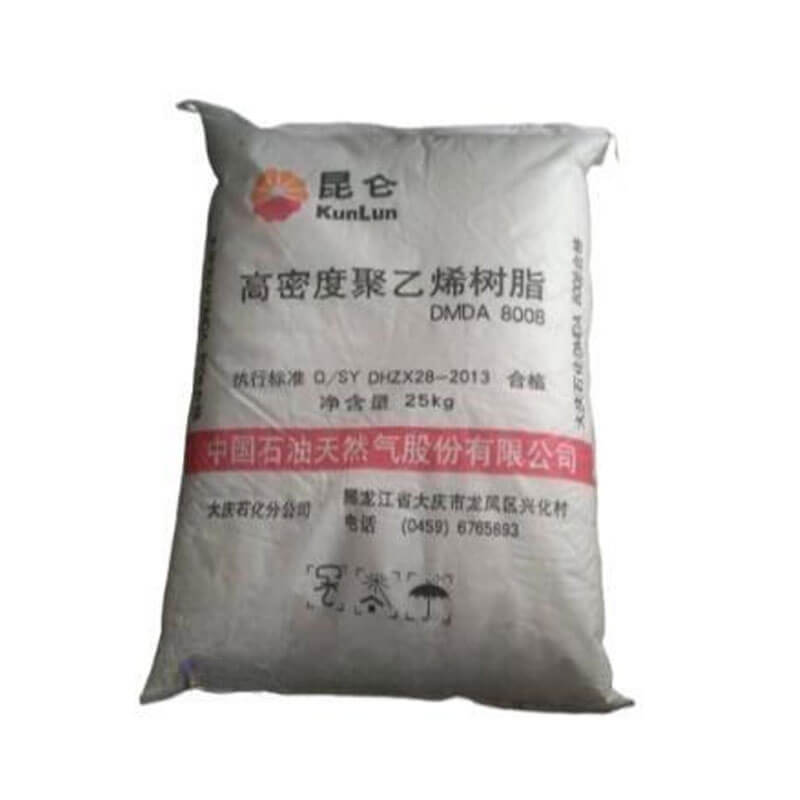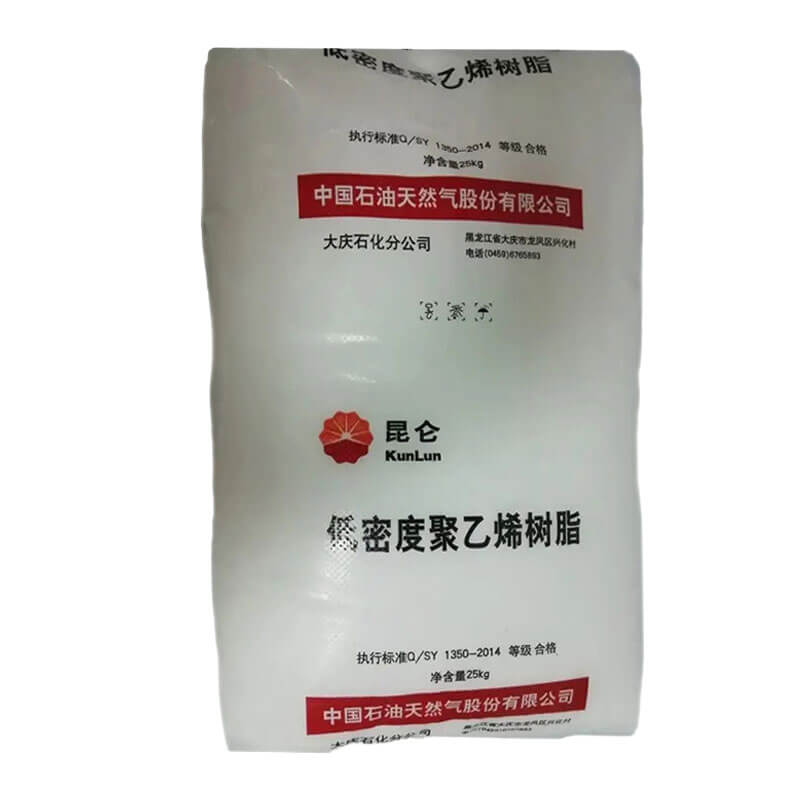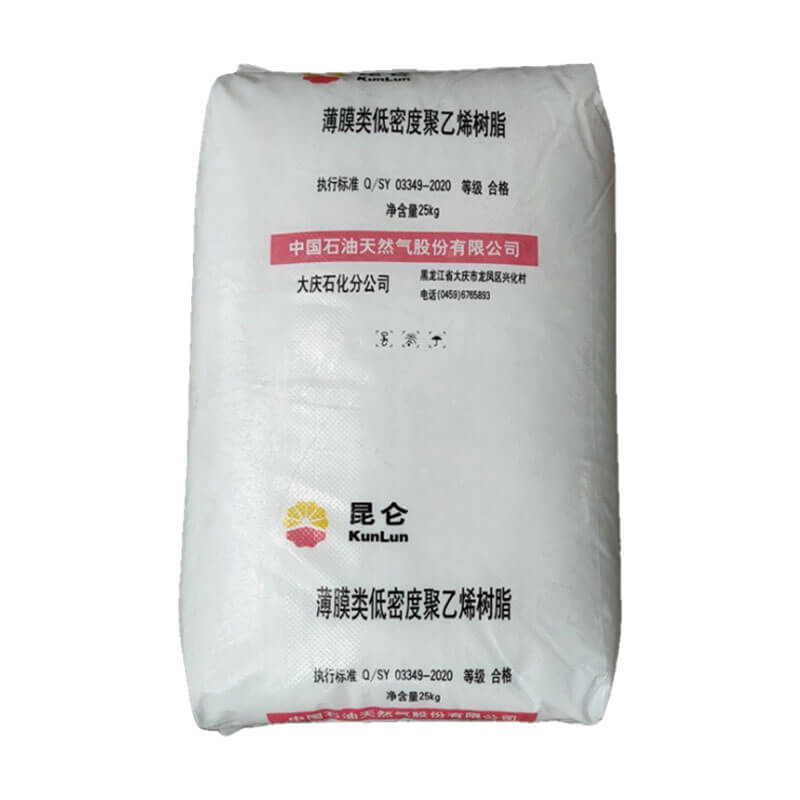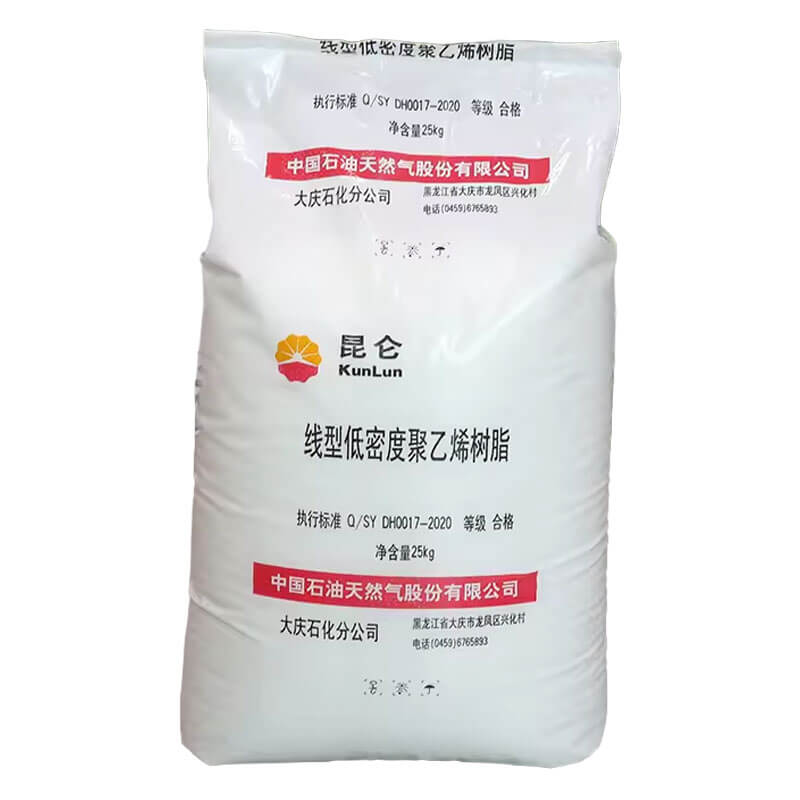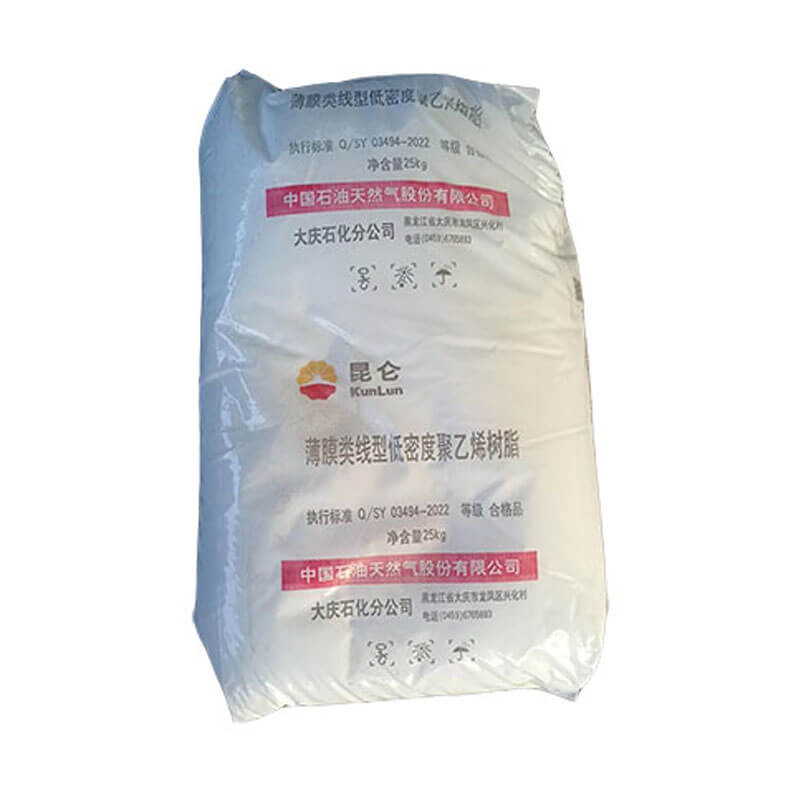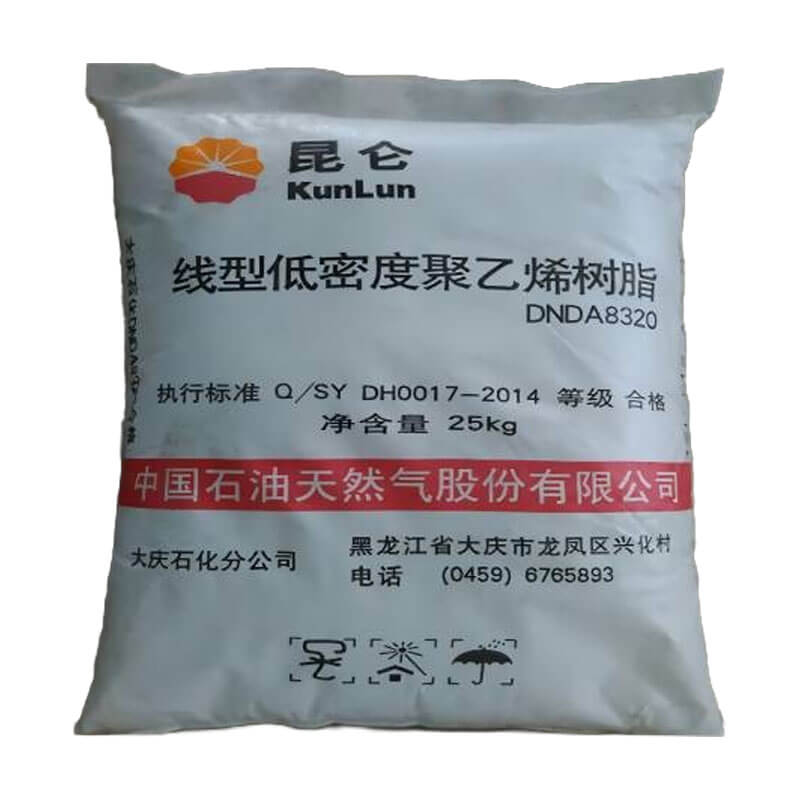
Linear Low‑Density Polyethylene Resin LLDPE

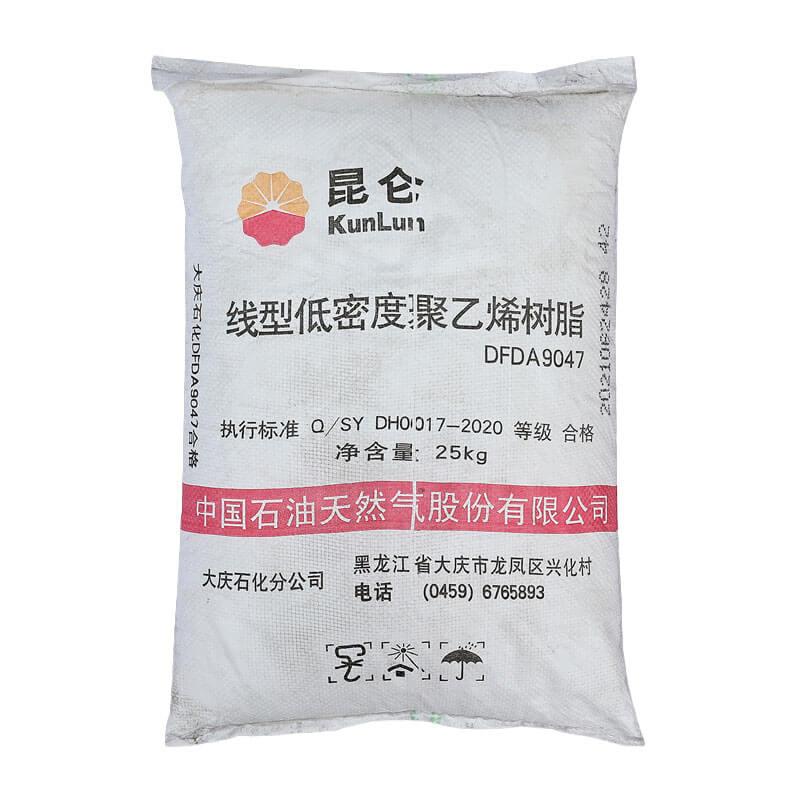
    • Product Name: Linear Low‑Density Polyethylene Resin LLDPE
    • Factroy Site: Xinghua Village, Longfeng District, Daqing City, Heilongjiang Province
    • Price Inquiry: sales6@ascent-chem.com
    • Manufacturer: PetroChina Daqing Petrochemical Company
    • CONTACT NOW
    Specifications
    HS Code 536114
    Density 0.915–0.925 g/cm³
    Melt Flow Index 0.5–20 g/10 min
    Tensile Strength At Yield 8–18 MPa
    Tensile Strength At Break 20–40 MPa
    Elongation At Break 300–900%
    Flexural Modulus 200–400 MPa
    Shore Hardness 45–55 Shore D
    Melting Point 110–125 °C
    Vicat Softening Point 90–110 °C
    Brittleness Temperature -70 °C or lower
    Water Absorption <0.01% (24 h)
    Environmental Stress Crack Resistance >1000 hours
    Dielectric Strength 20–45 kV/mm
    Thermal Conductivity 0.32–0.40 W/m·K

    As an accredited Linear Low‑Density Polyethylene Resin LLDPE factory, we enforce strict quality protocols—every batch undergoes rigorous testing to ensure consistent efficacy and safety standards.

    Packing & Storage
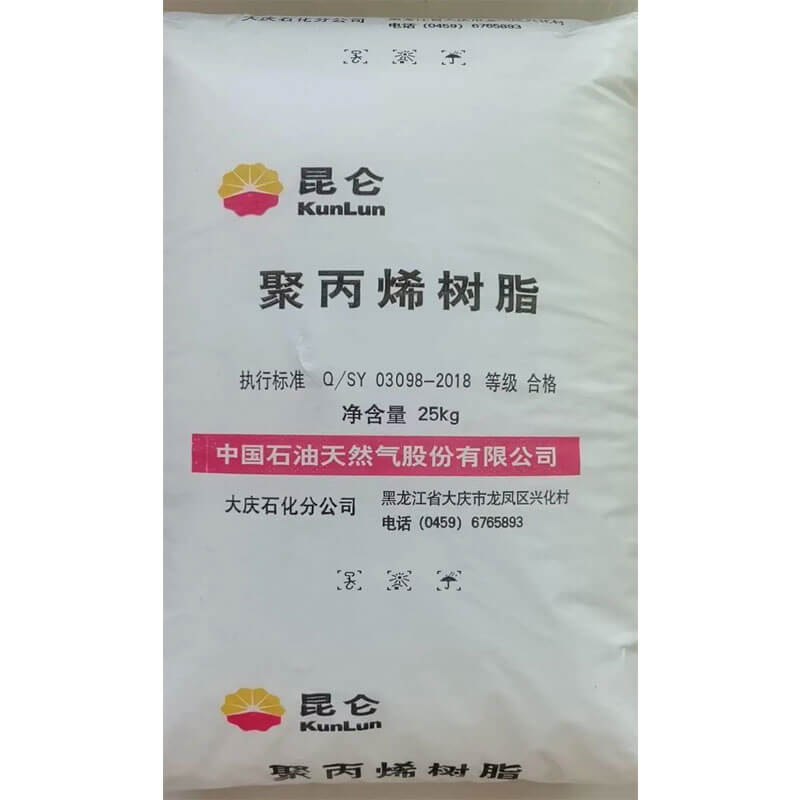
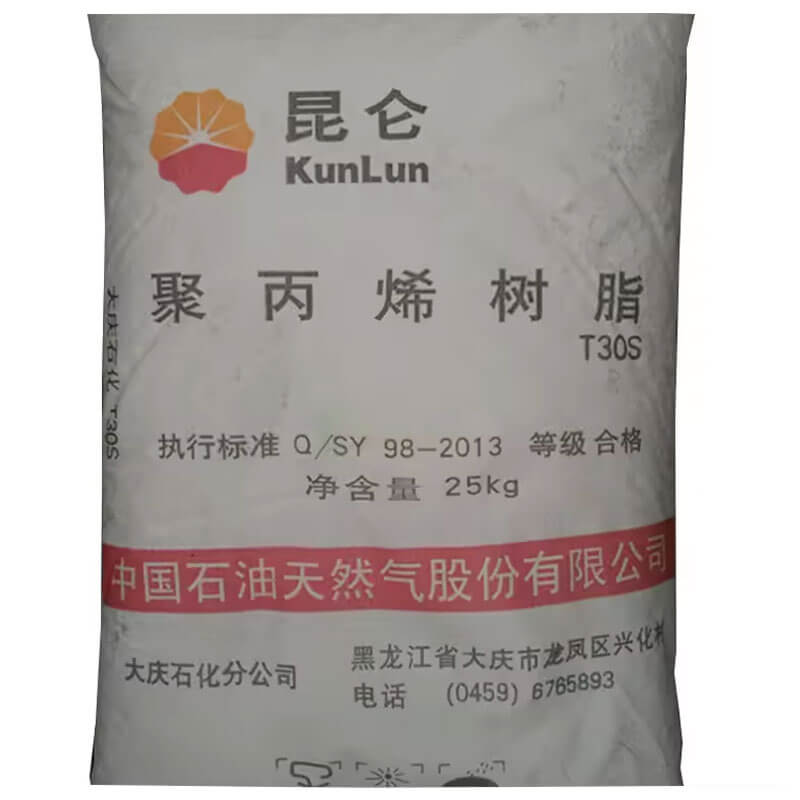
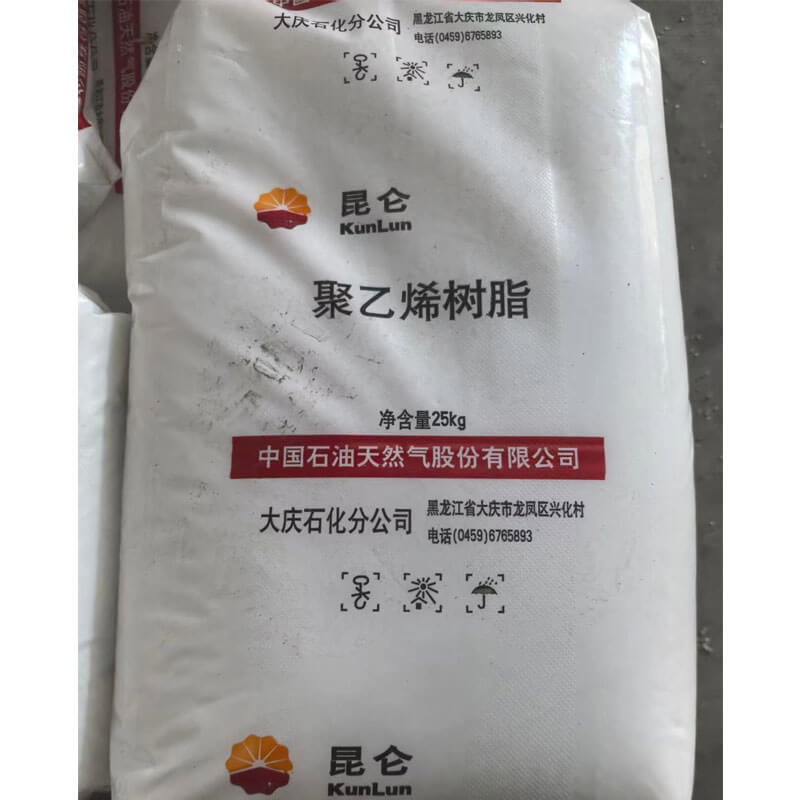
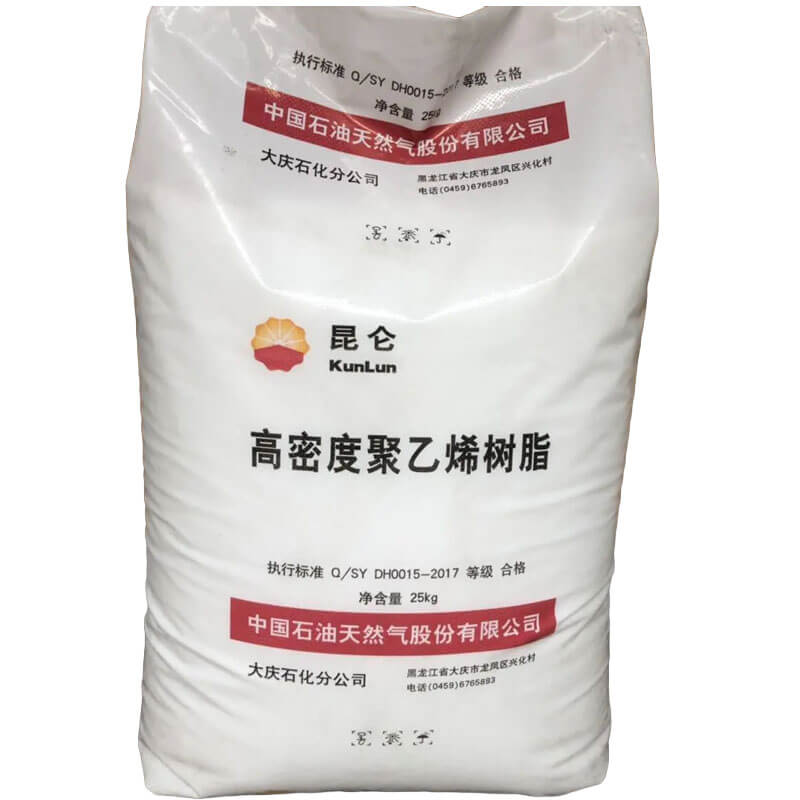
    Packing Packaged in 25 kg woven polypropylene bags with inner liner, ensuring safe handling, moisture protection, and efficient logistics.
    Container Loading (20′ FCL) 20′ FCL loading of LLDPE resin: palletized or bulk bags stowed securely, maximizing capacity while respecting container weight limits.
    Shipping Linear Low-Density Polyethylene Resin (LLDPE) ships as non-hazardous plastic pellets in woven polypropylene bags, FIBC bulk bags, or rail hopper cars. Keep dry, avoid extreme heat and direct sunlight. Use covered trailers or containers; handle with clean equipment to prevent contamination. Standard freight, no special hazard placards required.
    Storage Store LLDPE resin in a cool, dry, well-ventilated area away from direct sunlight, heat sources, and UV exposure. Keep bags sealed and off the floor on pallets to prevent moisture pickup and contamination. Maintain moderate humidity and avoid dust. Proper storage preserves resin quality and ensures consistent processing performance within its shelf life.
    Shelf Life Store in a cool, dry area away from sunlight and heat. Shelf life is typically 12 months from manufacture if unopened and protected.
    Application of Linear Low‑Density Polyethylene Resin LLDPE

    The blown-film extrusion of 1-octene LLDPE at a thickness of 25 µm on a 200 mm annular die is run from density grades 0.918–0.922 g/cm³ and melt index 1.0–2.5 g/10 min under ISO 1133-1:2022. The screw has L/D 25:1–30:1 with barrier flights and a Maddock mixing section, the die gap is 1.8–2.5 mm, blow-up ratio is kept at 2.0:1–3.0:1, and frost line height is maintained at 5–8 die diameters. Barrel temperatures from feed to die are 180–230°C, and internal bubble cooling is introduced once line speed exceeds 80 m/min. Bubble instability in pure LLDPE appears as edge webbing when the film is drawn below 18 µm; blending with autoclave LDPE at 10–20 wt% increases melt tension but reduces dart impact by 10–20%. In monolayer stretch-film formulations, LLDPE remains the matrix at 94–98 wt%, slip masterbatch is added at 1–2 wt%, antiblock masterbatch at 1–2 wt%, and fluoroelastomer processing aid at 0.02–0.05 wt%. For food-contact film, the compound must comply with FDA 21 CFR 177.1520(b) and Regulation (EU) No 10/2011 Annex I Table 1, including an overall migration limit of 10 mg/dm² under aqueous and fatty food simulants. Terminal blown-film products derived from this configuration include agricultural silage film, pallet wrap, frozen food bags, heavy-duty sacks, and greenhouse covers.

    The following representative ranges have been recorded on a 200 mm annular die with a blow-up ratio of 2.5:1 at 25 µm gauge:

    Composition (LLDPE/LDPE, wt%)Melt Index (g/10 min)Dart Impact Method A (g)Elmendorf Tear CD (g)Haze (%)
    100/00.9–1.2850–1,100500–7008–12
    80/200.7–1.0550–750450–6507–10
    70/300.6–0.9350–500400–6006–9

    Compliance matrix for monolayer food-contact LLDPE film:

    RegionStandard/ClauseParameterControl Value
    USFDA 21 CFR 177.1520(b)Olefin polymer clearanceConforms to extractable fraction limits
    EURegulation (EU) No 10/2011 Annex I Table 1Overall migration10 mg/dm²
    GlobalASTM D1238-20Melt index condition 190°C/2.16 kg1.0–2.5 g/10 min
    GlobalISO 1133-1:2022Melt mass-flow rate1.0–2.5 g/10 min

    On production lines equipped with corona treatment, wetting tension under ASTM D2578-09 is maintained at 38–44 mN/m for subsequent printability and metallisation. Operational limits include the use of high-stearate slip masterbatches above 1,200 ppm, which plate out on the die lip and produce visible gel streaks at the frost line; pre-drying is not required for neat LLDPE but hygroscopic masterbatches require oven drying at 70–80°C for 4 h when ambient RH exceeds 60%.

    What Limits Low-Temperature Impact Resistance in Rotomolded LLDPE Tanks After Outdoor Ageing?

    Rotational moulding of pulverised hexene LLDPE with density 0.932–0.940 g/cm³ and melt flow index 3.0–6.0 g/10 min under ISO 1133-1:2022 is performed in cast aluminium moulds with a biaxial rotation speed ratio of 4:1. The mould surface is heated in a convection oven at 260–316°C; peak internal air temperature must reach 200–230°C and be held for 8–12 min to sinter the 150–500 µm powder fraction. Cooling is controlled at 10–15 K/min with forced air and water mist; rapid cooling below 60°C improves impact performance but increases warpage in complex moulds. The dry blend remains 96–98 wt% LLDPE powder, with UV stabiliser masterbatch at 0.5–1.5 wt% and colourant masterbatch at 1–2 wt%. Compliance for chemical storage tanks is evaluated under ASTM D1998-15; environmental stress crack resistance is tested under ASTM D1693-15 condition B, with 1,000 h failure-free service considered acceptable for non-pressurised service. Low-temperature impact failures in rotomolded tanks typically initiate at wall corners and threaded inserts where the sintered layer is below 4 mm; the operational processing window is ±5°C on peak internal air temperature. Below 190°C, incomplete sintering creates pinholes and weak knit lines, while above 240°C, oxidative chain scission increases melt index and embrittles the part. Terminal products include vertical storage tanks, agricultural water tanks, kayaks, pallets, insulated shippers, and corrosion-resistant sump liners.

    Field failures in LLDPE rotomolded sump liners are often traced to localised wall thickness below 3 mm at metal inserts. Differential cooling of aluminium mould sections produces internal stress concentrations; subsequent outdoor thermal cycling from -20°C to 40°C propagates cracks from insert bosses. Standard practice requires minimum wall thickness of 5 mm at any metal insert and a fillet radius of at least 10 mm to reduce notch sensitivity.

    Injection Molding Weld-Line Strength and Shrinkage Anisotropy in High-Fluidity LLDPE

    Injection molding of LLDPE for thin-wall packaging uses grades with melt index 20–50 g/10 min and density 0.924–0.930 g/cm³. The process is run on hydraulic or electric clamping machines rated 800–3,000 kN; barrel temperatures are 180–240°C, injection pressure 60–120 MPa, holding pressure 30–60 MPa, and mould temperature 10–40°C. Screw geometry is selected with L/D 20:1–25:1 and compression ratio 2.5:1–3.5:1; back pressure should not exceed 0.5–1.0 MPa to avoid excessive shear heating. The LLDPE fraction in the formulation is 95–100 wt%; high-flow formulations may contain an internal slip package at 0.02–0.05 wt% to reduce ejector friction. Mould shrinkage is determined under ASTM D955-21 and ISO 294-4:2018; tensile yield is reported under ASTM D638-14, and notched Izod impact under ISO 180:2019. For caps and closures, compliance is required with FDA 21 CFR 177.1520(b); for toys, the material must satisfy migration limits of EN 71-3. The dominant processing conflict is gate-to-wall anisotropy; shrinkage parallel to flow is 1.5–2.0% and transverse shrinkage is 1.0–1.5%, which creates warpage at wall thickness transitions below 1.2 mm. If melt temperature at the weld-line meeting front drops below 200°C, chain entanglement across the knit line is insufficient and impact strength may fall by 30–50%. Terminal products include disposable thin-wall containers, caps, closures, crates, collapsible furniture, and industrial buckets.

    At coating line speeds above 120 m/min, the melt tension of butene LLDPE with melt index 5–10 g/10 min governs neck-in control on chromium-plated chill rolls. Extrusion coating grades are processed through a flat die with lip gap 0.5–0.8 mm and air gap 100–250 mm; melt temperature at the adapter is 270–320°C to generate oxidative adhesion to aluminium foil and paperboard. The compound is a blend of 60–80 wt% LLDPE and 20–40 wt% autoclave LDPE; the LDPE fraction raises melt tension and reduces draw resonance, but lowers hot-tack performance. For foil-containing structures, an ethylene-methacrylic acid or ethylene-acrylic acid adhesion promoter is coextruded at 5–10 wt% of total coat weight as a separate skin layer. Coating caliper is maintained at 12–25 µm; line speed is reduced when measured neck-in exceeds 15% of die width. Food-contact coatings must comply with FDA 21 CFR 177.1520(b) and Regulation (EU) No 10/2011; for paperboard packaging, compliance with 21 CFR 176.170(c) must also be verified for the complete structure. The process window is limited by thermal-oxidative gel formation above 320°C; gel particles above 200 µm create coating voids at 15–25 µm caliper. Terminal products include aluminium foil lamination for food sachets, aseptic juice packaging, paperboard release liners, and flexible stand-up pouch sealants.

    When Drip-Irrigation Pipe Is Extruded from LLDPE Without a Gear Pump at 300 kg/h

    Low-pressure drip-irrigation lateral pipe with outside diameters of 8–32 mm and wall thickness 0.4–1.2 mm is produced on single-screw extruders with L/D 24:1–30:1. When no gear pump is installed, output variation from barrel pressure fluctuations shifts wall thickness by ±0.1 mm, which is critical at the 0.4 mm wall minimum. The resin is butene or hexene LLDPE with density 0.918–0.930 g/cm³ and melt index 0.5–1.5 g/10 min; the compound contains LLDPE at 96–98 wt%, carbon black masterbatch at 2.0–2.5 wt% for UV stabilisation, and phenolic antioxidant at 0.1–0.3 wt%. Melt temperature at the die is 180–210°C; vacuum sizing tank water temperature is 15–25°C; haul-off speed is set to produce draw ratio 1.5:1–2.0:1. For outdoor laterals, ultraviolet resistance is evaluated by cumulative UV radiant exposure in accordance with ISO 4892-2; dimensional stability is tested under ISO 9261:2004 and material classification is reported under ASTM D3350-22. This pipe is not classified for high-pressure service under ISO 4427 because LLDPE has insufficient long-term hydrostatic strength at elevated temperatures; service is limited to low-pressure and gravity-flow irrigation. Melt fracture on the pipe inner wall begins when die shear rate is excessive at melt temperatures below 190°C, producing rough surfaces that weaken emitter weld attachment. Terminal products include drip lateral pipes, micro-tubes, drainage hoses, spiral-wound riser pipes, and irrigation connectors.

    The replacement of low-density polyethylene with hexene LLDPE in outdoor low-voltage cable sheathing is evaluated through accelerated ageing and extrusion trial data. Cable sheath compounds containing 90–95 wt% LLDPE, 2.5–3.5 wt% carbon black masterbatch for UV resistance, and 0.1–0.3 wt% hindered phenolic antioxidant are processed on cable lines with a barrier screw L/D 24:1, barrel zones 180–220°C, crosshead die pressure 40–70 MPa, and vacuum suction downstream of the die to collapse the jacket onto the core. The LLDPE grade selected for sheathing typically has density 0.920–0.930 g/cm³ and melt index 0.5–1.5 g/10 min; blending with LDPE at 10–20 wt% improves surface smoothness at high line speed but lowers tensile strength. Compound qualification is performed under ASTM D1248-12 Type I Class A for natural unfilled polyethylene; finished cables are aged under IEC 60502-1, and material tests are conducted under IEC 60811-100. The compound must also comply with RoHS Directive 2011/65/EU Annex II and REACH Article 33 SVHC communication at 0.1 wt%. This LLDPE sheath is restricted to non-flame-retardant jacketing applications; flame-retardant formulations require high loadings of metal hydroxides that alter processability and are generally outside the scope of neat LLDPE cable compounds. Published data for comparative long-term jacket performance between butene and hexene LLDPE in specific cable configurations is limited; qualification is therefore validated by line trials and thermal ageing at 100°C for 168 h. Terminal products include outdoor low-voltage control cable jackets, aerial subscriber cable sheathing, fiber optic protective jackets, and general-purpose industrial cable sheathings.

    Related Articles
    Free Quote

    Competitive Linear Low‑Density Polyethylene Resin LLDPE prices that fit your budget—flexible terms and customized quotes for every order.

    For samples, pricing, or more information, please contact us at +8618018036652 or mail to sales6@ascent-chem.com.

    We will respond to you as soon as possible.

    Tel: +8618018036652

    Email: sales6@ascent-chem.com

    Inquiry

    Get Free Quote of PetroChina Daqing Petrochemical Company

    Flexible payment, competitive price, premium service - Inquire now!

    Certification & Compliance
    More Introduction

    Linear low-density polyethylene resin comprises copolymer chains of ethylene with short-chain alpha-olefins—typically 1-butene, 1-hexene, or 1-octene—produced by low-pressure gas-phase, solution, or slurry polymerization. Commercial LLDPE is supplied as free-flowing cylindrical or spherical pellets with a density range of 0.915–0.940 g/cm³ when tested in accordance with ASTM D792 or ISO 1183-1:2019, and a melt index range from 0.5 g/10 min to 50 g/10 min at 190 °C/2.16 kg per ASTM D1238 or ISO 1133-1:2022. The linear backbone with controlled short-chain branching distinguishes LLDPE from high-pressure low-density polyethylene, which carries long-chain branching and therefore higher melt strength but lower tensile toughness. Grade designations vary by producer; a common convention encodes comonomer type and nominal melt index, for example a hexene film grade designated LLDPE-H-1.0/0.918 indicates a nominal 1.0 g/10 min melt index and 0.918 g/cm³ density. Film, sheet, injection molding, and rotational molding grades are available. In food-contact applications, unmodified LLDPE may comply with FDA 21 CFR 177.1520 when the finished article meets the specified extractives and end-use limitations.

    What Distinguishes a Butene Comonomer Grade from a Hexene or Octene Linear Low-Density Polyethylene?

    The short-chain branch length controls tie-molecule formation and intercrystalline load transfer. Butene-based LLDPE, with ethyl branches, exhibits lower dart impact and reduced Elmendorf tear in both machine and transverse directions when compared at equal density and melt index to hexene- and octene-based grades. Hexene and octene grades generate longer branches that more efficiently connect lamellae and resist crack propagation. In blown film evaluations at 25 µm thickness, representative commercial butene grades show dart impact values in the range 100–150 g per ASTM D1709 Method A, while hexene grades typically fall between 150–250 g and octene grades between 200–350 g. The corresponding tensile strength at break for 0.918 g/cm³ density film is commonly 35–55 MPa in the machine direction and 30–48 MPa in the transverse direction per ASTM D882; ultimate elongation ranges from 500% to 800%. The cost position follows comonomer price and reactor efficiency: butene grades are least expensive, but they may require higher thickness to achieve the same puncture resistance. Additive selection also influences film optics, seal initiation, and coefficient of friction. Commercial specification sheets typically report density, melt index, ash content ≤0.05%, gel count, tensile yield, elongation, dart impact, and optical haze. Published data for specific commercial formulations is limited where additive packages differ.

    Property at 25 µm blown filmButene LLDPEHexene LLDPEOctene LLDPE
    Dart impact, ASTM D1709 Method A100–150 g150–250 g200–350 g
    MD tensile strength, ASTM D88235–45 MPa40–50 MPa45–55 MPa
    TD tensile strength, ASTM D88230–38 MPa33–42 MPa36–48 MPa
    Ultimate elongation, MD, ASTM D882500–700%600–800%650–850%
    Haze, ASTM D100310–15%7–12%5–9%

    On single-screw blown film extrusion lines equipped with barrier screws of 24:1–30:1 L/D ratio, LLDPE processes differently from high-pressure LDPE because its higher shear viscosity raises melt temperature and head pressure at the same screw speed. Production-scale equipment manufacturers report that replacing LDPE with LLDPE on a screw optimized for LDPE reduces mass output by 15–30% and increases motor load by 10–20%, unless barrel temperature profiles are raised in the feed and compression zones to 180–210 °C. A typical blown film die gap is 1.8–2.4 mm, with die melt temperature 190–230 °C and blow-up ratio between 2.0 and 3.5. Frost line height is usually maintained at 6–10 die diameters to balance quench rate and bubble stability. LLDPE has lower melt strength than LDPE; bubble oscillation and draw resonance can occur above a blow-up ratio of 3.5 or when the frost line is raised too rapidly. Sharkskin melt fracture in LLDPE film can initiate at die shear stresses of 0.14–0.20 MPa; fluoropolymer processing aids are metered at 200–600 ppm to reduce die deposit and delay the onset. For high-stalk extrusion, the stalk height is kept between 2 and 4 die diameters to minimize melt sag. Dry blending of LLDPE with LDPE or additive masterbatches is performed in low-speed tumble mixers with a typical let-down of 2–5 wt%. Batch-to-batch variation in melt index of ±0.1 g/10 min changes head pressure and bubble height; closed-loop control of extruder speed and air ring cooling is therefore required on tight-specification film lines.

    When Cast Film Lines Require Reduced Neck-In and Controlled Haze in Stretch Wrap

    In cast film extrusion for hand and machine stretch wrap, octene- or hexene-based LLDPE grades of melt index 2.0–3.5 g/10 min and density 0.917–0.920 g/cm³ are selected for elongation, puncture resistance, and low-temperature cling performance. The melt curtain exits a flat die at 240–270 °C and is quenched on a chill roll maintained at 15–30 °C; air gap is minimized to 10–30 mm to limit neck-in and haze. Neck-in measured on a 1,500 mm die width is typically held below 120 mm per edge for linear grades, but high-pressure LDPE blends are still added at 10–20 wt% to stabilize the curtain and reduce edge trim. Haze is evaluated by ASTM D1003, dart impact by ASTM D1709, coefficient of friction by ASTM D1894, and cling by ASTM D5458. At line speeds above 300 m/min, cast LLDPE may exhibit surface melt fracture unless processing aids or higher melt temperatures are used. Pre-drying of virgin LLDPE is generally unnecessary at ambient relative humidity below 60%; pellets stored in unheated silos and brought into a warm processing hall may require a dehumidified hopper dryer at 70–80 °C for 2–4 h to remove surface condensation. Avoid contamination with EVOH or nylon barrier scrap without a compatibilizer; dispersed polar polymer domains cause interfacial instability and gel-like defects in the film.

    In injection molding of thin-wall containers, lids, and housewares, LLDPE grades with melt indices of 20–50 g/10 min are required to fill long flow paths at reduced injection pressure. Barrel temperature profiles are set from 180 °C in the rear zone to 230 °C at the nozzle, with mold temperature maintained at 10–30 °C. Hydraulic injection pressures of 60–100 MPa are typical, and clamp force requirements follow projected area calculations of 3–5 kN/cm² for thin-wall parts. Mold shrinkage for unfilled LLDPE is reported in the range 1.5–2.5% per ASTM D955; shrinkage anisotropy between flow and transverse directions can cause warpage when gate geometry produces high orientation gradients. Tensile properties of injection molded specimens are determined by ASTM D638 or ISO 527-2:2012, with notched Izod impact by ASTM D256 or ISO 180:2019. Because LLDPE has a narrow molecular weight distribution, melt strength is lower than high-pressure LDPE and thick sections may exhibit sink marks if packing pressure is released too early. Weld lines are a known defect in multi-gate tools; low melt strength and rapid freeze at mold temperatures below 10 °C reduce weld-line strength. Increasing mold temperature to 20–30 °C improves weld-line strength but increases cycle time. The same grades are not suitable for blow molding of large containers because parison sag is excessive; high-molecular-weight HDPE or branched LDPE is preferred for those configurations.

    Rotational molding grades of LLDPE are less common than linear medium-density or HDPE grades but are used for foamed or impact-modified structures when low-temperature toughness is required. Typical powder mesh size is 35 mesh with a melt index of 3–5 g/10 min and density of 0.926–0.940 g/cm³. Peak internal air temperature in biaxial rotational molding is maintained at 200–230 °C. Published data for this specific configuration is limited; property retention depends on antioxidant concentration and cooling rate.

    Creep Resistance, Environmental Stress Crack Resistance, and the Boundary with High-Pressure LDPE

    Compared with high-pressure LDPE at the same density, LLDPE provides higher tensile strength, greater puncture resistance, and substantially better environmental stress crack resistance per ASTM D1693, but lower melt strength and reduced bubble stability. Compared with HDPE, LLDPE has lower stiffness, lower heat deflection temperature, and higher permeability to oxygen and water vapor. The table below summarizes typical property ranges for unfilled, non-UV-stabilized grades at 0.918 g/cm³ for LLDPE, 0.923 g/cm³ for LDPE, and 0.955 g/cm³ for HDPE.

    PropertyLLDPELDPEHDPE
    Density, ASTM D7920.915–0.940 g/cm³0.917–0.930 g/cm³0.941–0.970 g/cm³
    Tensile strength at break, ASTM D63815–35 MPa10–20 MPa20–40 MPa
    Elongation at break, ASTM D638600–900%100–800%200–700%
    ESCR, ASTM D1693 Condition B100–1000 h1–50 h50–500 h
    Heat deflection temperature, ASTM D648 at 0.455 MPa45–60 °C40–55 °C70–90 °C

    The ESCR gap is significant in applications where parts are exposed to surfactants, oils, or continuous flexural stress; LLDPE liners and caps frequently outperform LDPE by one to two orders of magnitude under ASTM D1693 Condition B. In extrusion coating, LLDPE is blended with LDPE to reduce neck-in and draw resonance; neat LLDPE can be difficult to process on lines designed for high-pressure LDPE because edge encapsulation and melt curtain sag are more severe. The higher shear viscosity of LLDPE also raises extrusion backpressure, so screw designs with deeper feed channels and optimized barrier clearances are required to avoid excessive melt temperature. Published data for specific commercial resin and line combinations is limited; equipment trials are recommended to verify output, backpressure, and seal performance.

    Verification of food-contact status for LLDPE is documented against FDA 21 CFR 177.1520, which covers olefin polymers for food contact, with end-use temperature and food-type limitations specified in the regulation. European compliance is assessed under EU Regulation 10/2011, Annex I and II, with overall migration limits, specific migration limits for additives, and dual-use additive verification. Heavy metal and flame retardant restrictions follow RoHS Directive 2011/65/EU, Annex II, where applicable, but LLDPE does not normally contain brominated flame retardants or chlorinated paraffins. The resin supplier’s certification should include the density and melt index specification, comonomer type, antioxidant package, and statements of absence for substances of very high concern under REACH. In pharmaceutical and medical packaging, extractables screening is performed in accordance with USP <661.1> and ISO 10993 when body contact is intended. These regulatory data apply to unmodified pellet resin; converted articles may require migration testing under actual time and temperature conditions.