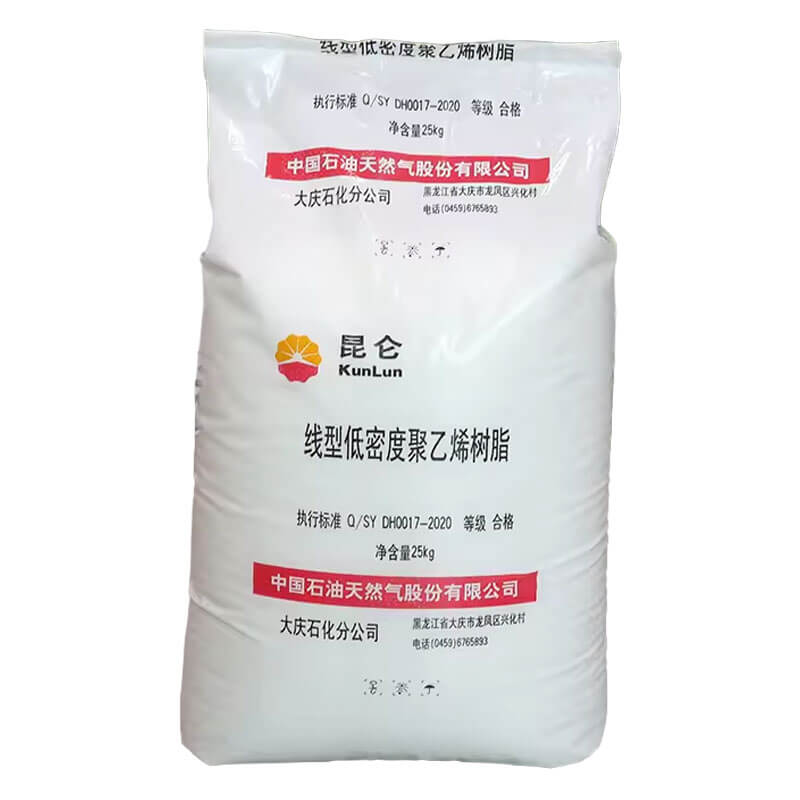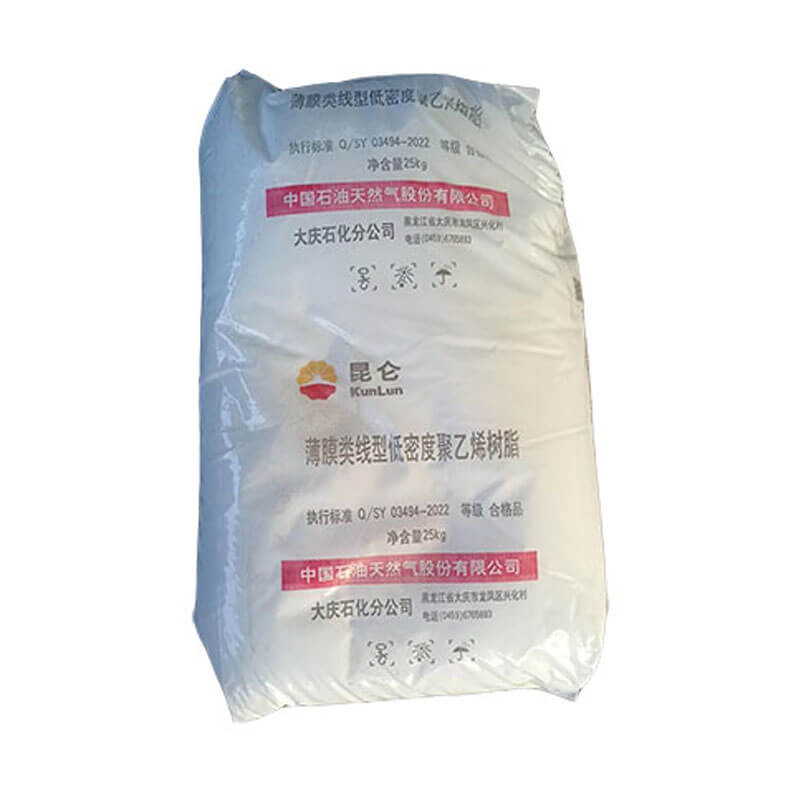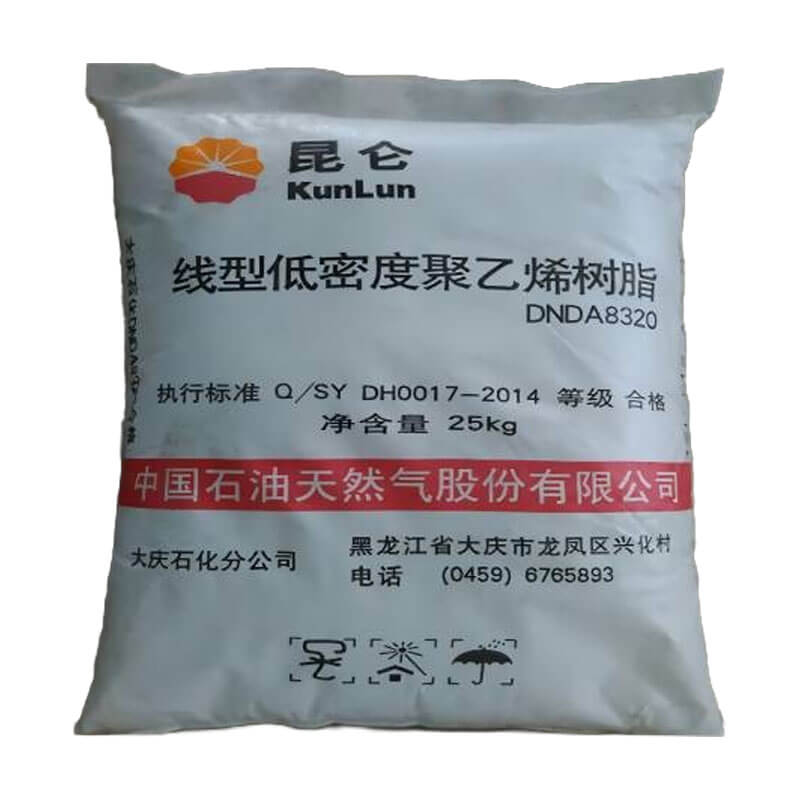
Linear Low‑Density Polyethylene Resin LLDPE (DNDA8320)

    • Product Name: Linear Low‑Density Polyethylene Resin LLDPE (DNDA8320)
    • Factroy Site: Xinghua Village, Longfeng District, Daqing City, Heilongjiang Province
    • Price Inquiry: sales6@ascent-chem.com
    • Manufacturer: PetroChina Daqing Petrochemical Company
    • CONTACT NOW
    Specifications
    HS Code 283291
    Density 0.924 g/cm³
    Melt Flow Rate 190 C 2 16 Kg 20 g/10 min
    Melting Point 122 °C
    Vicat Softening Point 95 °C
    Tensile Strength At Yield 11 MPa
    Tensile Strength At Break 13 MPa
    Elongation At Break 600 %
    Flexural Modulus 350 MPa
    Izod Impact Strength No break
    Shore D Hardness 52
    Heat Deflection Temperature 45 °C
    Crystallinity 45 %

    As an accredited Linear Low‑Density Polyethylene Resin LLDPE (DNDA8320) factory, we enforce strict quality protocols—every batch undergoes rigorous testing to ensure consistent efficacy and safety standards.

    Packing & Storage
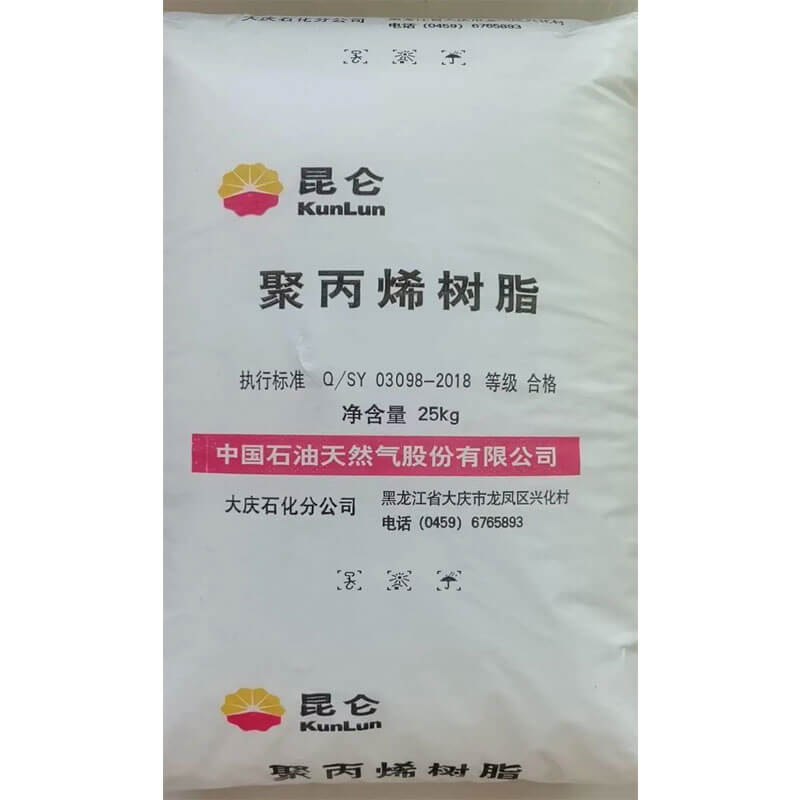
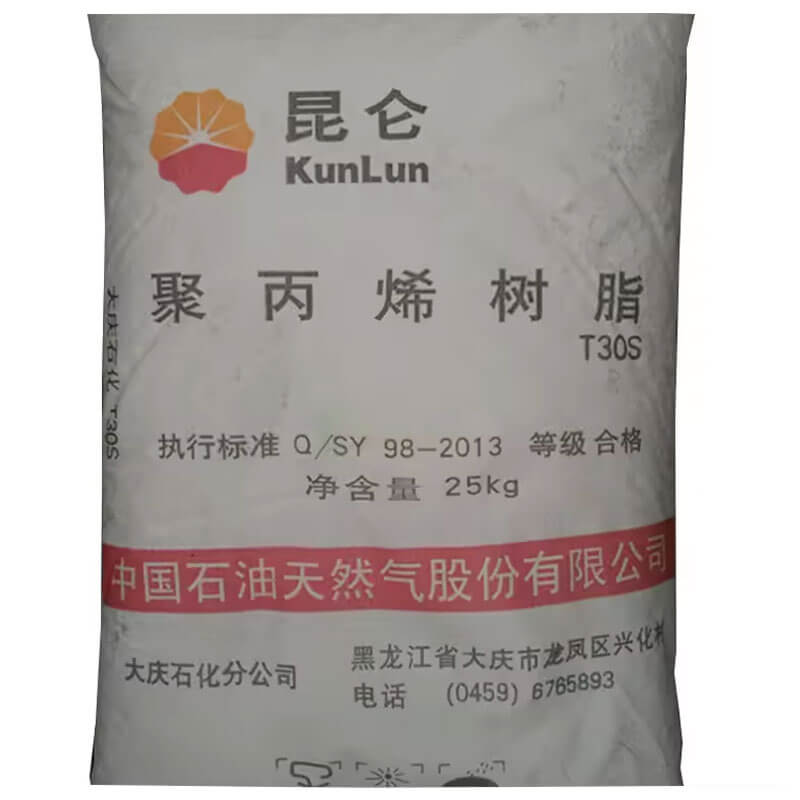
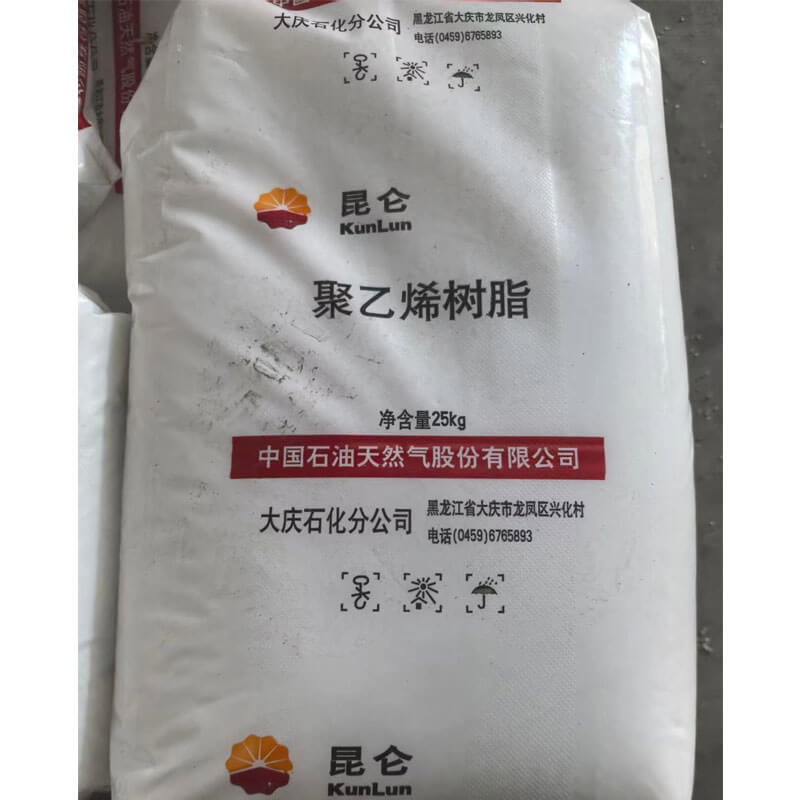
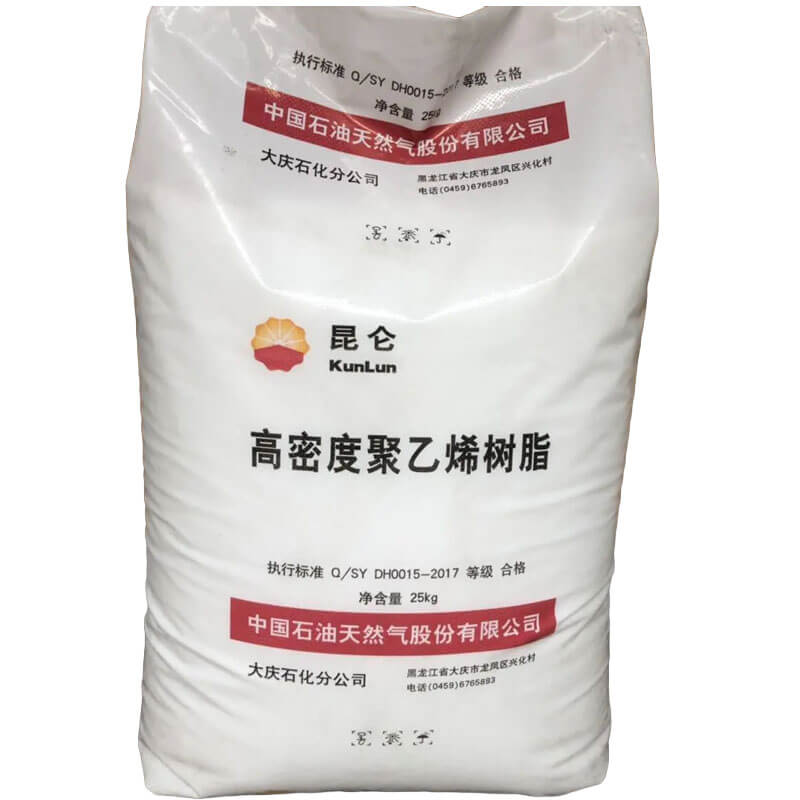
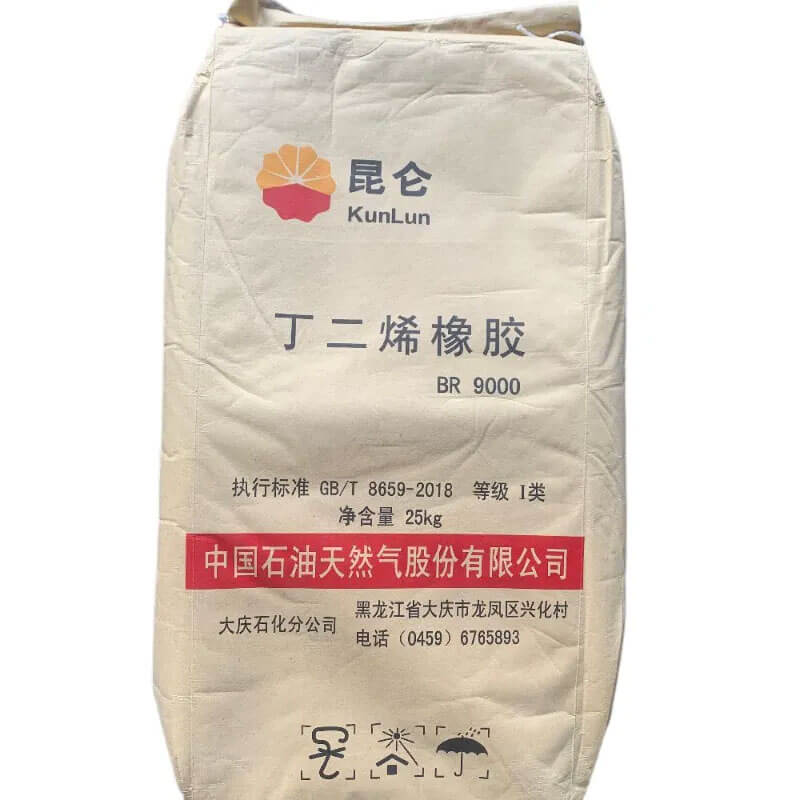
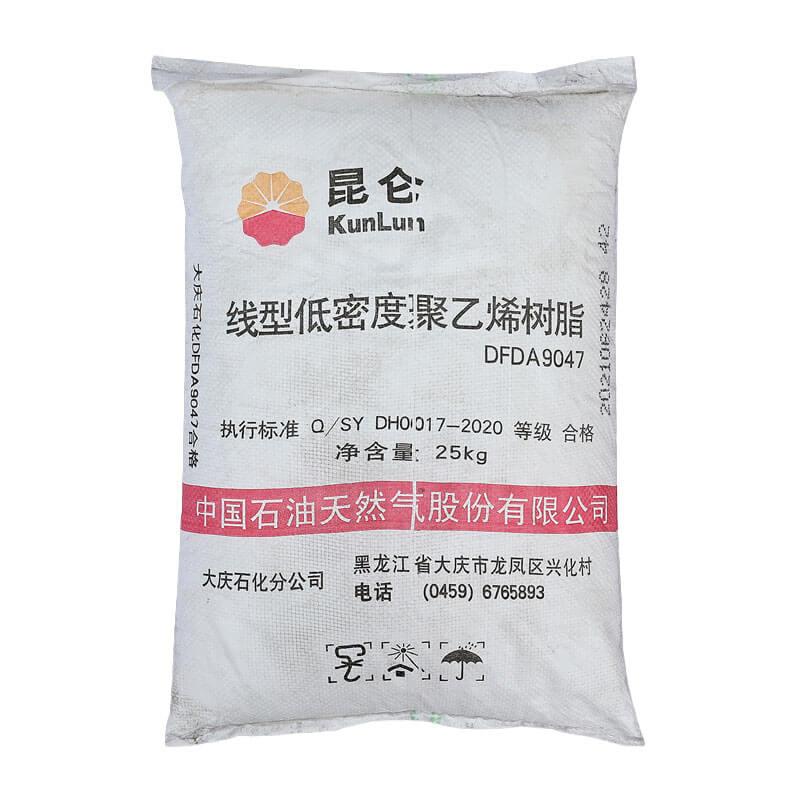
    Packing Linear Low-Density Polyethylene Resin LLDPE (DNDA8320) is supplied as virgin pellets in 25 kg sealed bags, palletized and wrapped.
    Container Loading (20′ FCL) 20′ FCL container loaded with LLDPE DNDA8320 resin in 25kg bags, palletized and secured for safe transport.
    Shipping Linear Low-Density Polyethylene Resin (LLDPE DNDA8320) ships as non-hazardous solid pellets in lined bags, bulk bags, or hopper railcars. Protect from moisture, direct heat, and contamination during transit. Use clean, dry equipment. No special hazmat placarding required; keep ventilation adequate and secure loads properly.
    Storage Store in a clean, dry, well-ventilated area away from direct sunlight, heat sources, and ignition. Keep containers tightly sealed to prevent moisture contamination and dust accumulation. Ideal temperature below 30°C. Avoid prolonged exposure to UV radiation. Use nitrogen blanketing for bulk silo storage to prevent oxidation and maintain product quality.
    Shelf Life Shelf life is indefinite when stored in a dry, cool area, protected from sunlight, heat, and contaminants.
    Application of Linear Low‑Density Polyethylene Resin LLDPE (DNDA8320)

    When DNDA8320 is specified for thin-wall injection moulded food-contact packaging, the first design constraint is not the drop-impact test but the melt delivery path. The grade carries a nominal melt flow index of 20 g/10 min under ISO 1133-1:2022 at 190 °C with 2.16 kg load and a nominal density of 0.924 g/cm³ under ISO 1183-1:2022; this combination permits flow length/wall thickness ratios above 200:1 in thin-wall lids and dairy containers, provided the gate diameter is not reduced below the shear threshold at which melt fracture appears. On accumulator-assisted injection machines with screw L/D of 20:1 to 24:1 and compression ratio 2.5:1 to 3.0:1, melt temperature is held between 210 °C and 240 °C, while mould coolant temperature is maintained at 15 °C to 35 °C to control post-mould warpage. Injection velocity is set at 100 mm/s to 200 mm/s; below this band, thin sections freeze before complete filling. Hold pressure is applied at 20 MPa to 50 MPa until the gate seals. Dimensional stability is governed by anisotropic shrinkage measured under ISO 294-4:2018; published values for this class of C4-LLDPE fall between 1.3 % and 2.0 % in the flow direction and 0.9 % to 1.4 % transversely. Parts must not be hot-filled above 60 °C because the Vicat softening point of the resin under ISO 306:2022 method A50 is near 88 °C; continuous contact with fats and oils above this threshold can cause environmental stress cracking in unannealed mouldings.

    Control parameterMethod or equipment conditionSet range
    Melt temperatureISO 1133-1:2022 / injection barrel210–240 °C
    Mould coolant temperatureThermocouple in water line15–35 °C
    Injection velocityScrew displacement transducer100–200 mm/s
    Hold pressureHydraulic pressure conversion20–50 MPa
    Screw L/D ratioGeneral-purpose PE screw20:1–24:1
    Compression ratioFeed/compression/metering geometry2.5:1–3.0:1
    Flow-direction shrinkageISO 294-4:20181.3–2.0 %
    Transverse shrinkageISO 294-4:20180.9–1.4 %

    Food-contact compliance for thin-wall articles manufactured from this olefin polymer is determined by more than resin grade; the finished article must pass end-use migration testing at the specific wall thickness and surface-area-to-volume ratio. In commercial practice, the control matrix includes 21 CFR 177.1520 for US applications, Regulation (EU) No 10/2011 for single-use food-contact plastics with an overall migration limit of 10 mg/dm², and GB 4806.7-2016 for Chinese food-contact plastic materials. Each standard requires total migration testing under food simulants selected per polymer type and use temperature, not per resin designation alone. A migration limit breach at 60 °C in a 95 % ethanol simulant is a known failure mode for thin-walled LLDPE items with unannealed frozen-in orientation; the standard remedy is not changing the resin but increasing cooling time and reducing hold pressure by 5 MPa to 10 MPa.

    How Do Gate Vestige and Weld-Line Strength Constrain Living-Hinge Storage Products?

    The living hinge on a storage crate or organiser moulded from DNDA8320 is not a single material property but a conflict between high-flow fill and low melt strength. The 20 g/10 min melt flow index under ISO 1133-1:2022 helps the melt travel through long side walls and thin hinge sections, but the same high-flow condition lowers melt tension and produces weaker knit lines where two flow fronts meet. Supplier data for this grade list tensile yield stress near 8.3 MPa under ISO 527-2:2012 and elongation at break above 500 %; flexural modulus is reported near 330 MPa under ISO 178:2019. These values are adequate for repeated hinge flexure in the elastic range, but creep is the limiting runtime variable. The hinge should be gated on the side opposite the flexing surface and vented at the hinge centre to avoid trapped gas. Gate vestige thickness above 0.05 mm at the hinge root acts as a stress concentrator and reduces flexural endurance. Mould fill pressure at the hinge should not exceed 35 MPa to avoid residual internal stress; the flow front should cross the hinge in one direction rather than meeting at the hinge centre.

    For storage boxes with integral latching tabs, the mould temperature should be held at 20 °C to 30 °C to limit sink marks opposite bosses. The latching tab is a separate stress concentration from the hinge; its snap-fit retention force is measured by tensile withdrawal after conditioning at 23 °C and 50 % relative humidity. Low-density LLDPE of this class has lower snap-fit modulus than polypropylene, so the undercut depth is typically increased by 0.3 mm to 0.6 mm compared with PP tooling. Scrap rates on living-hinge LLDPE parts are most often caused by cold slug marks in the hinge from insufficient nozzle temperature; the nozzle heater set point should remain at least 10 °C above melt temperature to prevent nozzle freeze-off.

    For masterbatch production, DNDA8320 functions as a carrier resin because its 20 g/10 min melt flow index under ISO 1133-1:2022 lowers the viscosity available for wetting pigment surfaces in the first barrel zone of a co-rotating twin-screw extruder. The carrier is typically fed at 40 % to 60 % by weight with organic pigments and processing aids; the extruder runs at screw speed 400 rpm to 700 rpm and melt temperature 200 °C to 220 °C. Published loading data for this specific grade in masterbatch use are limited, so the upper pigment loading must be confirmed by pressure-specific volume measurements and letdown evaluation in the downstream moulding machine.

    Halogen-Free Flame-Retardant Cable Compound Behaviour at 60 wt% Filler Loadings

    Halogen-free cable compounds based on DNDA8320 are compounded on a co-rotating twin-screw extruder with L/D 40:1 and side-feeding of magnesium hydroxide or aluminium trihydrate. The filler fraction of 55 wt% to 65 wt% raises melt viscosity by several hundred per cent below 100 s⁻¹; the high initial melt index of the LLDPE postpones the torque rise until the filler is fully wetted. Side-fed filler must enter after the polymer melt has reached 190 °C, otherwise unmelted LLDPE granules are encapsulated in mineral powder and form gel-like defects in the extrudate. Tensile elongation after compounding is usually reduced to less than 50 % at 60 wt% filler, so screen packs above 100 mesh are omitted to avoid pressure-driven thermal degradation. Flame performance is assessed under IEC 60332-1-2 for single-cable vertical flame spread and oxygen index under ISO 4589-2:2017; published data for this specific DNDA8320 configuration are limited, but the resin’s density and high flow make it suitable as a char-forming matrix only when the filler is surface-treated with a silane coupling agent.

    Artificial foliage tooling regularly contains flow channels below 0.4 mm in cross-section, which shifts the processing window away from film-grade rheology and toward high-shear injection. DNDA8320 fills leaf-vein details when melt temperature is set at 180 °C to 210 °C and the mould is chilled to 10 °C to 25 °C; the short freezing interval reduces sink marks on the reverse side of the leaf. Low melt tension allows uniform colourant distribution but increases the risk of drool at open nozzles when barrel residence time exceeds 5 min. For articles sold as toy components, mechanical and migration limits are covered by EN 71-1 and EN 71-3; for decorative products used in public spaces, the relevant fire classification may fall under EN 13501-1.

    Cap Liner Rheology and EVA Modification Requirements

    Cap liner compounding reverses the usual priority of melt flow index: the LLDPE phase contributes flow and the EVA phase contributes sealing compression set. A blend of DNDA8320 with 18 % vinyl acetate EVA at 20 % to 35 % by weight is processed at 190 °C to 220 °C; excessive EVA addition above 35 % lowers the softening point and causes liner sticking on high-speed capping lines. Compression set is measured under ASTM D395-18 method B on annular specimens cut from the liner; void-free moulding requires back pressure above 8 MPa. The compound must not contain slip additives above 0.1 % because migration into the seal surface reduces closure retention torque. For pharmaceutical or food closures, the liner compound is additionally assessed under the closure-specific sections of 21 CFR 177.1520 and Regulation (EU) No 10/2011 at the intended filling temperature.

    Free Quote

    Competitive Linear Low‑Density Polyethylene Resin LLDPE (DNDA8320) prices that fit your budget—flexible terms and customized quotes for every order.

    For samples, pricing, or more information, please contact us at +8618018036652 or mail to sales6@ascent-chem.com.

    We will respond to you as soon as possible.

    Tel: +8618018036652

    Email: sales6@ascent-chem.com

    Inquiry

    Get Free Quote of PetroChina Daqing Petrochemical Company

    Flexible payment, competitive price, premium service - Inquire now!

    Certification & Compliance
    More Introduction

    Linear low-density polyethylene resin DNDA8320 is a butene-comonomer LLDPE grade produced by low-pressure gas-phase polymerisation for blown-film conversion. The resin has a nominal density of 0.918 g/cm³ measured under ISO 1183-1:2019 and a melt flow rate of 2.0 g/10 min when tested at 190 °C with a 2.16 kg piston load in accordance with ISO 1133-1:2022. The grade is supplied as free-flowing pellets and is typically converted on monolayer and coextruded film lines at die gaps of 1.8 mm to 2.2 mm and blow-up ratios from 2.0:1 to 2.5:1. DNDA8320 is not a high-pressure LDPE; the molecular backbone is essentially linear with ethyl short-chain branches from butene incorporation, and the material lacks the long-chain branching that defines autoclave or tubular LDPE. The resulting rheological profile differs in shear viscosity, extensional behaviour, dart impact, tear propagation, and seal initiation temperature. Published data for DNDA8320-specific mechanical properties is limited; converter qualification therefore relies on mill certificates for density and melt flow rate combined with film testing under the standards listed below.

    What Differentiates Butene-Based DNDA8320 from High-Pressure LDPE and Metallocene LLDPE?

    At a density of 0.918 g/cm³, DNDA8320 produces films with higher tensile yield strength and higher dart impact than LDPE of equivalent melt index, but with lower melt strength and a narrower bubble-stability window. High-pressure LDPE carries long-chain branching and a broad molecular weight distribution; this yields high extensional strain hardening and stable melt drawing but limits film toughness. DNDA8320, by contrast, derives its mechanical performance from linear chains containing ethyl side branches. Compared with hexene-based and octene-based LLDPE, the butene comonomer is less effective at creating tie-chain density at the same molar comonomer content, so converters must often accept higher resin density or reduced low-temperature toughness. Metallocene grades possess a narrower molecular weight distribution and often lower seal initiation and higher dart impact, but they exhibit higher shear viscosity at equivalent melt index and may require wider die gaps and higher melt pressure on conventional single-screw film lines. DNDA8320 is therefore specified where processing robustness and cost are weighted above ultimate optical performance and low-temperature hot-tack.

    Table 1 summarises class-level differences between butene-based DNDA8320 and higher-alpha-olefin LLDPE grades. The comparison is qualitative and is drawn from polymer science literature rather than from DNDA8320 mill certificates.

    Structural or processing featureButene LLDPEHexene LLDPEOctene LLDPE
    Short-chain branch identityEthyl side groupsButyl side groupsHexyl side groups
    Crystallinity disruption at constant densityLowerIntermediateHigher
    Relative dart impact at 50 µmBaseline+10% to +30%+20% to +40%
    Relative machine-direction Elmendorf tearBaseline+5% to +15%+10% to +25%
    Seal initiation shift versus butene baselineBaseline−3 °C to −6 °C−5 °C to −9 °C
    Extrusion melt pressure at constant melt flow rateBaseline+5% to +10%+8% to +15%

    On a 45 mm single-screw extruder with an L/D ratio of 25:1 and a barrier screw, DNDA8320 typically exits the die at melt temperatures from 175 °C to 215 °C. Barrel settings are profiled from 160 °C in the feed zone to 210 °C at the adapter and die. Die pressure at output rates near 45 kg/h is strongly influenced by screen-pack configuration; a 40/80/40 mesh pack often produces pressures in the 15 MPa to 25 MPa range on a 200 mm die with a 1.8 mm die gap, but values shift with melt temperature and batch-to-batch variation in molecular weight distribution. Bubble stability for DNDA8320 depends on frost-line geometry and internal bubble air pressure. The frost line is commonly held at 1.0 m to 1.6 m above the die face, corresponding to 8 to 12 die diameters, to balance isotropy and opacity. If the frost line falls below 0.8 m, machine-direction orientation rises and transverse tear strength deteriorates; if it is raised beyond 1.8 m, output per unit die circumference becomes limited by bubble wander and gauge variation. The addition of 2.5 wt% high-pressure LDPE can increase bubble stiffness and reduce hole formation, but it raises seal initiation temperature and reduces dart impact energy.

    Bubble stability breaks down when die pressure exceeds the resin’s critical wall shear stress

    Surface melt fracture in DNDA8320 is observed as sharkskin near the die lips when the wall shear stress in the die land exceeds the resin critical value; for butene LLDPE class materials, this threshold is commonly in the range 0.14 MPa to 0.20 MPa depending on melt temperature and molecular weight distribution. Gross melt fracture appears at higher shear rates and degrades film transparency. To mitigate sharkskin without lowering output, converters widen the die gap from 1.2 mm to 2.0 mm and reduce the entrance angle of the die land. A wider die gap lowers wall shear stress but also reduces draw-down orientation and may require an increased blow-up ratio to compensate for gauge uniformity. Residence time distribution in extruders longer than L/D 30:1 promotes oxidative degradation and gel formation; gel counts above 20 gels/m² with particle diameter greater than 100 µm become visible in thin film and act as dart-failure initiation points. Melt filtration is therefore controlled with screen packs of 40/80/40 mesh or finer, and gel counts are measured by optical scanning of 1 m² film samples. If regrind is added above 20 wt%, localised gel accumulation in the screen pack becomes the limiting process variable for extended film runs.

    Pre-drying of DNDA8320 is not generally required because the resin is hydrophobic. Surface condensation on pellets stored below dew point is addressed by a 60 °C hopper dryer for 0.5 h to 1.0 h; higher temperatures are not recommended because pellet agglomeration can occur above 80 °C. Moisture-induced lensing defects in film are not a bulk degradation mechanism but rather a function of air entrainment in the screw feed zone. Feed-throat cooling water can be set to 30 °C to 40 °C to prevent pellet sticking and unstable solids transport.

    When Layer Ratios Shift Below 20% in Three-Layer Coextrusion

    DNDA8320 is used in three-layer coextruded films as a skin layer for seal strength and puncture toughness. At total film thickness below 50 µm, the skin layer thickness is often reduced to 5 µm to 10 µm per side, equivalent to 20% or less of the total structure. Under these conditions, seal fusion becomes sensitive to interfacial defects and layer-thickness deviations. A skin layer gauge variation of ±1 µm can shift seal initiation temperature by 3 °C to 5 °C because heat transfer at the seal-bar interface is dominated by the skin thickness. Coextrusion feedblock instabilities and melt-temperature mismatches above 10 °C between skin and core layers produce interfacial waviness that is detectable as optical haze and seal-strength fluctuation. For DNDA8320, melt temperature at the die should be held within 200 °C to 215 °C because lower temperatures raise melt viscosity and promote interfacial instability. Published data for DNDA8320-specific coextrusion performance is limited, so the above temperature limits are derived from general butene LLDPE behaviour on three-layer lines. The resin is not optimised for cast-film quenching; chill-roll temperatures below 15 °C shift crystallisation kinetics and may increase roll-wrap and blocking.

    Seal strength and hot-tack performance of DNDA8320 films are evaluated under ASTM F88/F88M-21 and ASTM F1921-18 using 25.4 mm wide specimens cut in the machine direction. For butene LLDPE class grades at 50 µm thickness, seal initiation is generally recorded between 95 °C and 110 °C, with maximum seal strength near 145 °C to 160 °C. Hot-tack peaks at 115 °C to 130 °C at a dwell time of 0.5 s and a seal pressure of 0.24 MPa. Above 160 °C, seal strength decreases because melt squeeze-out reduces weld thickness. DNDA8320’s broad molecular weight distribution makes hot-tack more tolerant to temperature fluctuation than a narrow metallocene grade, but it also tends to increase seal initiation temperature relative to C6 or C8 metallocene films. In high-speed vertical form-fill-seal operations, the sealing jaw is maintained at 140 °C to 160 °C and the dwell time is not to exceed 300 ms; if the film slips on the jaw surface due to low coefficient of friction, intermittent seal fusion is observed.

    Register of Standards Used for Incoming Resin and Film Qualification

    Qualification of DNDA8320 for flexible packaging requires a matrix of physical, mechanical, and optical test methods. Table 2 lists the principal standards invoked during incoming resin release and converted film evaluation. Food-contact conversion also requires compliance with 21 CFR 177.1520, EU Regulation 10/2011, and applicable GB 9685-2016 additive restrictions.

    Test parameterApplicable standard or regulationApplication stage
    Melt flow rateISO 1133-1:2022; GB/T 3682-2018; ASTM D1238-20Incoming resin release
    DensityISO 1183-1:2019; GB/T 1033-2008; ASTM D1505-18Incoming resin release
    Tensile properties of filmISO 527-3:2018; ASTM D882-18Converted film
    Dart impactISO 7765-1:1988; ASTM D1709-16aConverted film
    Elmendorf tearISO 6383-1:2015; ASTM D1922-15Converted film
    Haze and clarityISO 14782:1999; ASTM D1003-13; ASTM D2457-13Converted film
    Seal strengthASTM F88/F88M-21Converted film
    Hot-tackASTM F1921-18Converted film
    Coefficient of frictionISO 8295:1995; ASTM D1894-14Converted film
    Food-contact safety21 CFR 177.1520; EU Regulation 10/2011Compliance review

    On a vertical form-fill-seal line producing 500 g frozen-food pouches at 80 pouches/min, film made from DNDA8320 is typically sealed at 145 °C to 155 °C with jaw pressure of 0.25 MPa to 0.35 MPa and dwell time of 180 ms to 250 ms. At speeds above 100 pouches/min, hot-tack strength becomes limiting because the pouch weight pulls the seal before solidification. The observed failure mode is seal peel at the bottom gusset, not film tear; this distinguishes DNDA8320’s seal performance from higher-alpha-olefin LLDPE grades that often exhibit film tear at the seal perimeter. In agricultural silage film applications, DNDA8320 is compounded with 1 wt% to 2 wt% carbon black masterbatch and converted at 150 µm to 200 µm. The carbon black raises melt temperature and die pressure, and the processing window narrows by approximately 5 °C; specific extrusion data for this formulation should be verified by line trials. The final allowable downgauging limit is therefore fixed by the measured transverse Elmendorf tear under ISO 6383-1:2015, not by tensile yield.