| HS Code | 319529 |
| Density | 0.918 g/cm³ |
| Melt Flow Index | 1.0 g/10 min (190°C/2.16 kg) |
| Melting Point | 122 °C |
| Vicat Softening Point | 105 °C |
| Tensile Strength At Break Md | 48 MPa |
| Tensile Strength At Break Td | 38 MPa |
| Elongation At Break Md | 350 % |
| Elongation At Break Td | 650 % |
| 1 Secant Modulus Md | 250 MPa |
| 1 Secant Modulus Td | 300 MPa |
| Elmendorf Tear Strength Md | 350 g |
| Elmendorf Tear Strength Td | 650 g |
| Dart Drop Impact F50 | 180 g |
| Haze | 12 % |
| Gloss 45 | 55 |
As an accredited Linear Low‑Density Polyethylene Resin LLDPE, Film Grade factory, we enforce strict quality protocols—every batch undergoes rigorous testing to ensure consistent efficacy and safety standards.
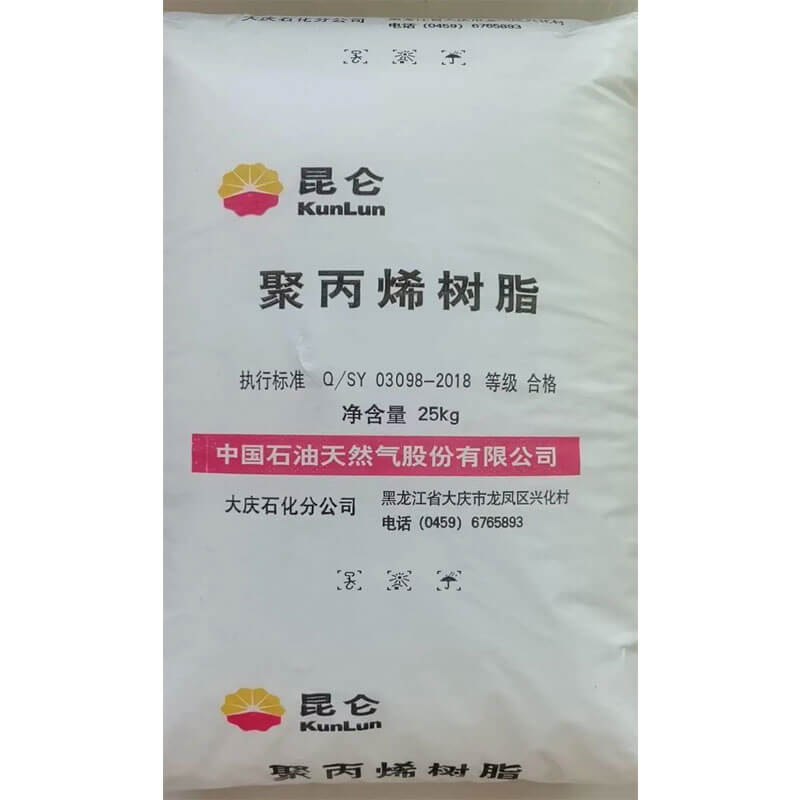
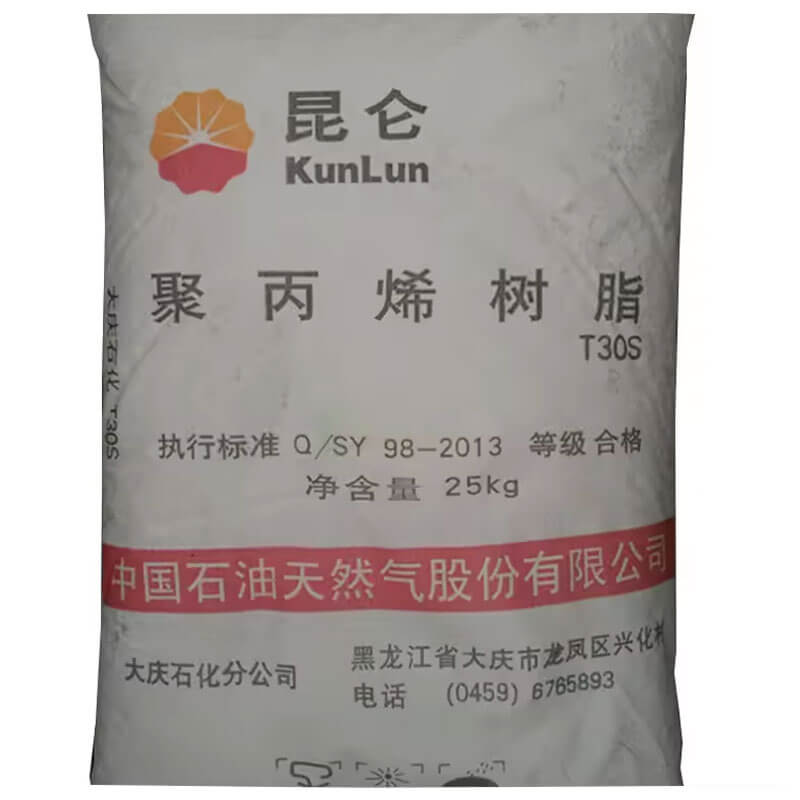
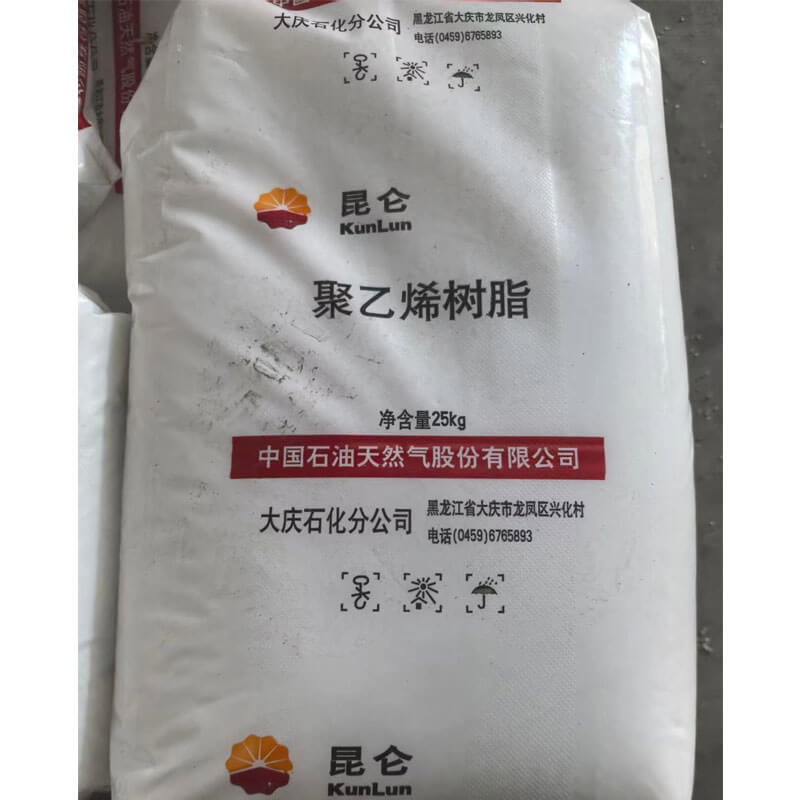
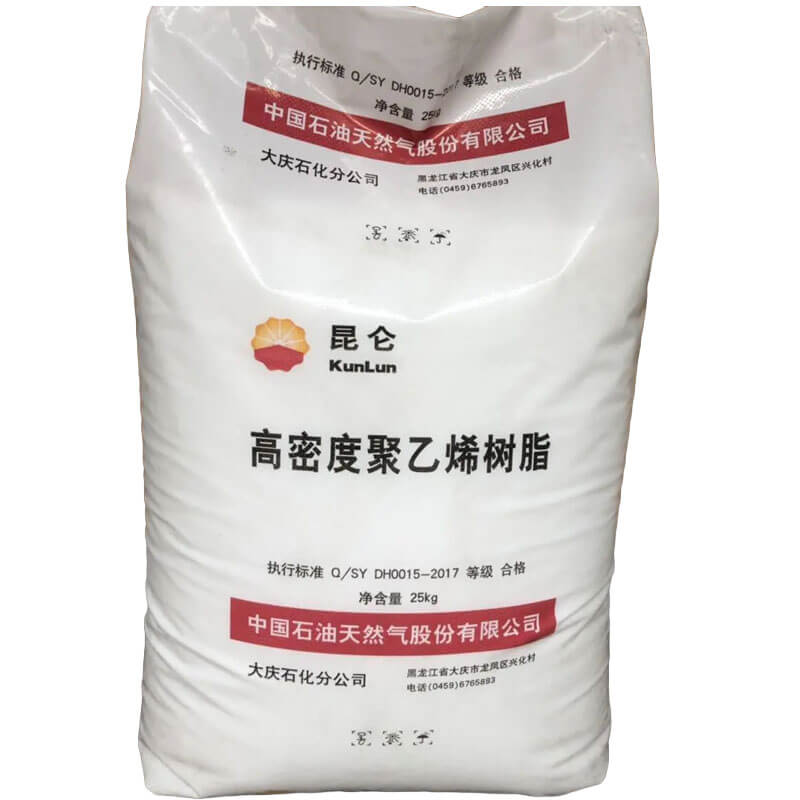
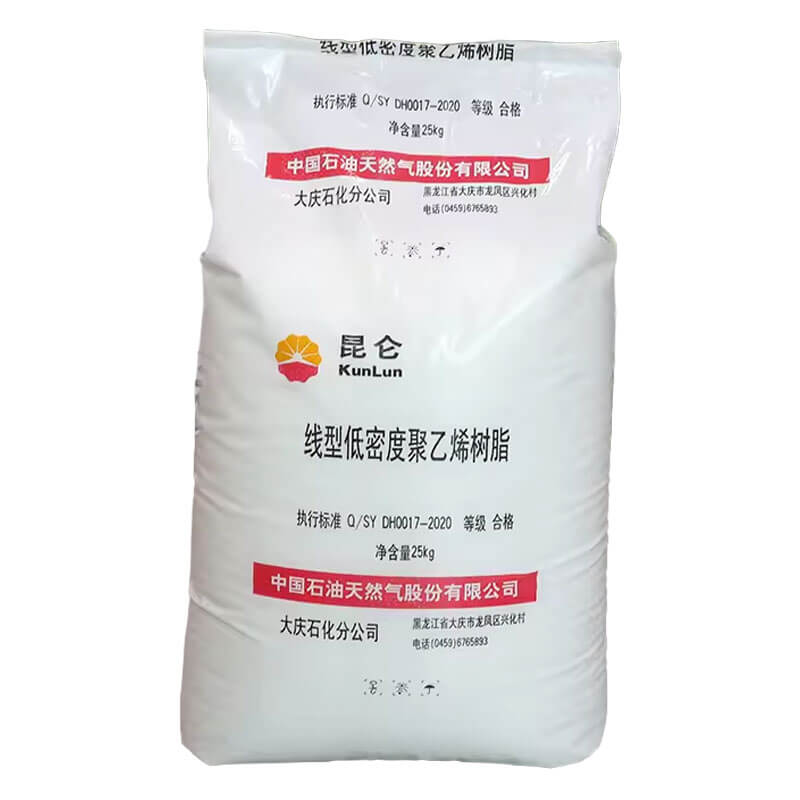
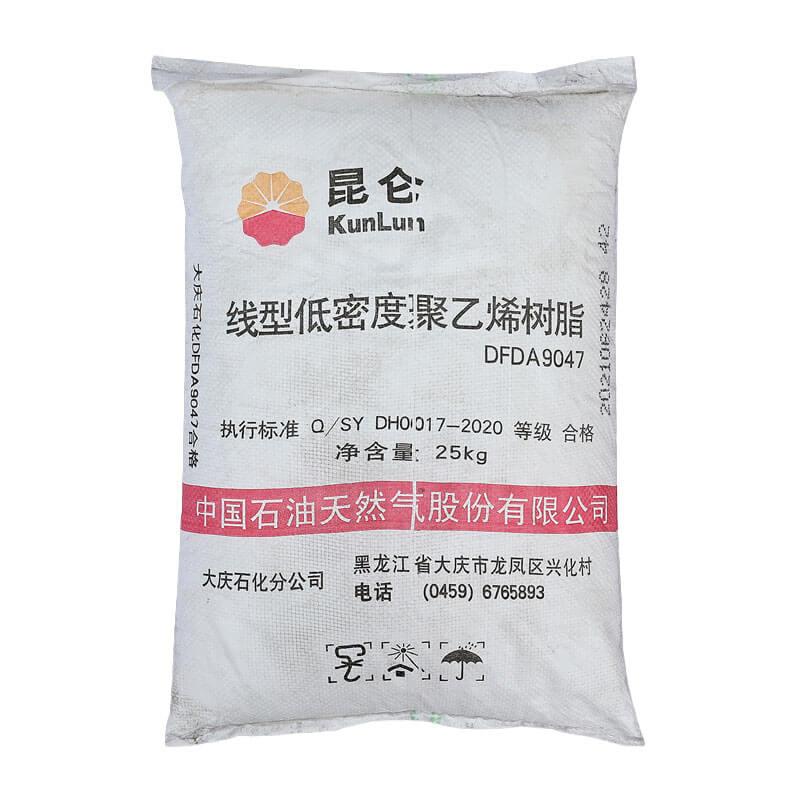
| Packing | Supplied as free-flowing pellets in 25 kg multi-layer paper bags, palletized and wrapped for safe transport and storage. |
| Container Loading (20′ FCL) | 20′ FCL container loaded with film-grade LLDPE resin in 25kg bags, palletized, secured, and ventilated for safe transport. |
| Shipping | Linear Low-Density Polyethylene Resin (LLDPE, Film Grade) ships as non-hazardous virgin pellets in 25 kg bags, octabins, or bulk railcars/tankers. Keep dry, avoid contamination, store below 50°C. Protect packaging from sharp objects and moisture. Use clean, covered transport to prevent degradation and maintain product quality. |
| Storage | Store LLDPE Film Grade resin in a clean, dry, well-ventilated area, away from direct sunlight, heat sources, and open flames. Keep containers sealed to prevent moisture, dust, and contamination. Avoid prolonged high temperatures and oxidizers. Maintain moderate humidity. Keep bags intact and handle gently. Properly stored material retains quality for up to 12 months. |
| Shelf Life | Shelf life is indefinite when stored indoors, dry, and protected from sunlight, heat, moisture, and contamination. |
In cast-film conversion for pallet unitization, film-grade LLDPE with a density of 0.917–0.920 g/cm³ and a melt index of 0.8–2.0 g/10 min measured in accordance with ISO 1133-1:2022 at 190°C/2.16 kg is metered into a single-screw extruder with an L/D ratio of 45:1 and a barrier screw. The cast film line operates at melt temperatures of 240–270°C, a chill roll setpoint of 18–25°C, and winding speeds from 300 m/min to 600 m/min, with an air knife positioned to control neck-in at the die exit. Formulation addition ratios in the cling layer are 70–90 wt% LLDPE, 5–20 wt% LDPE, and 5–15 wt% mLLDPE normalized to 100 wt% of the polymer phase, plus 0.5–2.0 wt% polyisobutylene tackifier; the release layer contains erucamide slip at 1000–3000 ppm. Compliance for mechanical performance is assessed against EN 14932:2018 for stretch films used to wrap loaded pallets, with elastic recovery determined by ASTM D5459-95 and puncture resistance by ASTM D5748-19. Terminal film types include 8–35 µm machine stretch film, hand stretch film, and pre-stretched film rolls. On high-speed lines, melt index values above 2.0 g/10 min have been observed to induce draw resonance and gauge bands above ±10%; below 0.8 wt% PIB loading, cling force falls below usable levels after 30 days of roll ageing, while above 2.0 wt% blocking occurs on rolls stored above 35°C.
Three-layer blown film coextrusion for frozen vegetable and ice cream packaging uses LLDPE film grades with density 0.918–0.922 g/cm³ and MI 0.8–2.0 g/10 min in the core and skin layers. The polymer phase contains 60–80 wt% LLDPE, 20–40 wt% LDPE, and 0–20 wt% metallocene LLDPE normalized to 100 wt%; slip and antiblock additives are loaded at 500–1500 ppm erucamide and 2000–6000 ppm silica, respectively. Bubble parameters on a 150–400 mm die include die gap 1.8–2.4 mm, blow-up ratio 2.5–3.5, melt temperature 190–220°C, and frost line height controlled to prevent blocking on the collapsing frame. Terminal film thickness ranges from 25 µm to 80 µm, converted into frozen vegetable bags, side-gusset pouches, bakery wrap, and lidding film. Food-contact compliance is established under FDA 21 CFR 177.1520(b) for olefin polymers and Commission Regulation (EU) No 10/2011 Annex I with an overall migration limit of 10 mg/dm². Seal strength is evaluated according to ASTM F88/F88M-21, and dart impact by ASTM D1709-22 Method A. Operational boundaries include seal initiation plateaus between 105°C and 135°C; below -30°C, the film may exhibit brittleness if the comonomer type shifts to butene, whereas hexene or octene grades retain higher low-temperature dart impact. Retort or steam-sterilized formats are incompatible with this LLDPE sealant because creep under 121°C exceeds the heat resistance of the polymer matrix.
To achieve multi-season weathering resistance in greenhouse cover stock, LLDPE film grade is blended at 60–85 wt% in the polymer phase with 10–30 wt% LDPE and 5–10 wt% EVA normalized to 100 wt%. Hindered amine light stabilizers are added at 0.3–0.8 wt%, anti-drip surfactants at 1.0–2.5 wt%, and UV absorbers or pigments at 0.1–0.5 wt%. The film is processed on blown film towers with a die gap of 1.8–2.2 mm, blow-up ratio 2.8–3.2, melt temperature 190–220°C, and thickness from 60 µm for single-season low tunnels to 150–200 µm for multi-season greenhouses. After conversion, the film is cut into greenhouse covers, low tunnel films, side curtains, and thermal screens. Compliance is assessed under EN 13206:2017 for thermoplastic covering films used in agriculture and horticulture, with accelerated weathering per ISO 4892-2 and tensile retention measured by ISO 527-3. Pesticide contact resistance is a critical field limitation: sulfur-containing and halogenated pesticide concentrates have been observed to accelerate surface crazing when insecticide sprays accumulate on condensation droplets and are baked onto the film surface at temperatures above 40°C; published multi-season tropical UV load data for this exact additive package is limited, so tropical service intervals must be validated regionally. Films below 60 µm exhibit insufficient multi-season tensile retention under wind gust loads, and anti-drip migration to the surface occurs within 72–120 h of first condensation if additive dosing exceeds 2.5 wt%.
For heavy-gauge liner conversion intended to fit UN-certified FIBCs and rigid intermediate bulk containers, LLDPE film grades with density 0.920–0.935 g/cm³ and MI 0.5–1.5 g/10 min are blended in the polymer phase at 75–100 wt% LLDPE, with the balance consisting of HDPE at 0–25 wt% and LDPE at 0–15 wt% of the polymer phase to raise modulus and puncture resistance. Slip and antiblock packages are combined at 2000–6000 ppm, and fluoropolymer processing aids at 0.02–0.08 wt% are used to suppress melt fracture on high-output lines. Blown film production employs high-stalk bubble geometry with a die gap of 2.0–2.5 mm, blow-up ratio 2.0–2.5, melt temperature 200–230°C, and gauge thickness 75–150 µm. Terminal formats include FIBC liners, drum liners, shipping sacks, and construction bags. Mechanical compliance is governed by the outer FIBC certification under ISO 21898:2004 and, where dangerous goods are packed, UN TDG Chapter 6.5; the liner itself does not carry the FIBC drop-test certificate but must not introduce cohesive failure or melt fracture that could compromise sift-proofness. Food-grade liners require FDA 21 CFR 177.1520 olefin polymer status and, for EU cargo, Regulation (EU) No 10/2011 compliance. On form-fill-seal lines, coefficient of friction measured by ASTM D1894 must be controlled within 0.25–0.40; higher COF causes buckle at the filling spout, and lower COF shifts the web during corner sealing. Gauge variation above ±10% has been linked to burst failures during drop testing of filled outer bags, particularly at the bottom fold region.
Extrusion lamination for stand-up pouches and sachet films uses an LLDPE film-grade resin or an LLDPE/mLLDPE blend as the inside heat-seal web, with the polymer phase at 100 wt% LLDPE or 70–90 wt% LLDPE with 10–30 wt% metallocene LLDPE to lower seal initiation. Slip and antiblock additives are limited to 500–1500 ppm to avoid bond-strength loss at the laminate interface. The melt is extruded through a flat die at 290–320°C, coated at 15–25 g/m² onto a primed or corona-treated substrate, and nipped into the web at 2–4 bar; corona treatment on the substrate must exceed 38 mN/m before coating. Terminal package types include dry-food stand-up pouches, sachet films, and lidding webs. Food-contact status is based on FDA 21 CFR 177.1520 and Commission Regulation (EU) No 10/2011 Annex I, with overall migration limited to 10 mg/dm². Seal strength is measured by ASTM F88/F88M-21, and hot-tack performance is evaluated by ASTM F1921, which is critical for vertical form-fill-seal operation. Conventional LLDPE seal initiation is 100–120°C; blends with 30 wt% mLLDPE reduce seal initiation by 10–15°C but may lower bubble stability in upstream film production. Processing boundaries are narrow: melt temperature below 290°C produces poor adhesion to PET and aluminum foil, while above 320°C oxidative gel particles accumulate on the die lip within 4–8 h, creating coating streaks and heat-seal failure.
Silage bale wrap conversion uses cast film lines to produce 25–35 µm film from LLDPE film grades with density 0.917–0.920 g/cm³ and MI 0.8–2.0 g/10 min (ISO 1133-1:2022), with the polymer phase at 85–100 wt% LLDPE and mLLDPE replacing up to 15 wt% of the polymer phase. Polyisobutylene tackifier is added at 1–3 wt% to maintain cling on film edges after 55–70% pre-stretch in round or square bale wrapping equipment; HALS/UV stabilizer combinations are added at 0.3–0.6 wt% to withstand outdoor exposure for up to 12–18 months. The production process includes a 500–1000 mm cast die, vacuum box edge trim, chill roll temperatures of 18–25°C, and winding technology that avoids telescoping on 750 mm rolls. Terminal film types include round bale wrap, square bale wrap, and tube-wrap film. Compliance is referenced to EN 13207:2018 for thermoplastic silage films and bale wraps, with tensile and elongation measured by ISO 527-3 and UV stability assessed by ISO 4892-2. Field failure modes include UV-induced cling loss at exposed bale shoulders after 6–9 months if HALS addition is below 0.3 wt%, and severe tearing when application pre-stretch exceeds 70% in cold weather below 5°C. Published comparative data on oxygen transmission after repeated wind stress for this specific cast film configuration remains limited; film converters therefore require bale-wrap machine trials before switching between butene, hexene, and octene LLDPE grades.
Competitive Linear Low‑Density Polyethylene Resin LLDPE, Film Grade prices that fit your budget—flexible terms and customized quotes for every order.
For samples, pricing, or more information, please contact us at +8618018036652 or mail to sales6@ascent-chem.com.
We will respond to you as soon as possible.
Tel: +8618018036652
Email: sales6@ascent-chem.com
Flexible payment, competitive price, premium service - Inquire now!
Linear low-density polyethylene resin, film grade, is supplied as white translucent pellets with a nominal bulk density of 0.52–0.58 g/cm³ and a solid-state density range of 0.916–0.940 g/cm³ when measured by ASTM D1505 or ISO 1183-1:2019. Melt mass-flow rate for blown-film and cast-film extrusion is specified between 0.5 g/10 min and 2.0 g/10 min at 190 °C under 2.16 kg load using ASTM D1238 or ISO 1133-1:2022. The grade-specific model designation identifies comonomer type, nominal melt index, and additive package; because no universal nomenclature exists, the certificate of analysis should be checked for the exact density, melt index, slip/antiblock addition, and comonomer identity. Typical packaging formats include 25 kg bags, 750 kg octabins, and bulk railcar or silo delivery.
Film-grade LLDPE is used in monolayer and coextruded blown film, cast stretch film, heavy-duty shipping sacks, agricultural silage and greenhouse film, collation shrink, lamination sealant webs, and overwrap. Compared with autoclave LDPE of equal density, the linear backbone and short-chain branches from 1-butene, 1-hexene, or 1-octene produce higher tensile strength, dart impact, puncture resistance, and Elmendorf tear in blown film when tested in accordance with ASTM D882, ASTM D1709, ASTM D5748, and ASTM D1922; the trade-off is lower melt tension and higher die-pressure demand, which must be managed through die-gap selection, air-ring configuration, and optional polymer processing aid.
Ziegler-Natta film-grade LLDPE carries a linear backbone with short-chain branches from comonomer that are non-uniformly distributed across the molar-mass distribution. In most conventional grades the low-molar-mass fraction contains a higher comonomer concentration while the high-molar-mass fraction remains more linear. This broad chemical composition distribution produces a complex shear and extensional viscosity response: low melt tension relative to autoclave LDPE, higher die-pressure at equivalent melt index, and a pronounced tendency toward sharkskin melt fracture on narrow die gaps. Autoclave LDPE is produced by a high-pressure free-radical process and possesses a highly branched, broad molar-mass distribution, which yields strong shear thinning, high melt tension, and easier bubble stability but limits solid-state toughness. HDPE is defined by a density between 0.941 g/cm³ and 0.967 g/cm³ with very low short-chain branch content; its film offers higher stiffness and moisture barrier but lower dart impact and tear resistance than LLDPE at equal thickness. Metallocene-catalyzed LLDPE has narrower molar-mass distribution and more uniform comonomer placement; this lowers seal initiation temperature and improves optical and organoleptic behavior, but reduces bubble stability and increases die-pressure response unless the extruder and die are specifically designed for linear metallocene resins.
At equal 0.920 g/cm³ density and 1.0 g/10 min melt index, the hierarchy of blown-film dart impact is typically mLLDPE octene > LLDPE hexene > LLDPE butene > LDPE when measured by ASTM D1709/A. Elmendorf tear values generally follow the same ranking, with the largest deltas appearing in transverse direction tear for high blow-up-ratio film. The absolute differences depend on film gauge, frost line height, blow-up ratio, and additive package; published data for a specific film structure should be confirmed by pilot-line trials.
For a reference 40 µm monolayer blown film, density is measured by ASTM D1505, dart impact by ASTM D1709/A, Elmendorf tear by ASTM D1922, tensile properties by ASTM D882, puncture resistance by ASTM D5748, and low-temperature brittleness by ASTM D746 where required. A reduction in film gauge from 40 µm to 25 µm can lower dart impact by more than 40% and should not be interpreted as a resin failure. The density/melt-index combination also controls processability: lower melt index increases melt strength and bubble stability but raises backpressure, while higher density raises stiffness and moisture-vapor barrier but reduces impact and tear.
In blown-film production, the change from an LDPE-grade die gap to a film-grade LLDPE without mechanical modification is the most frequent source of throughput limitation. LDPE can be run through die gaps of 0.8–1.0 mm; LLDPE requires die gaps of 1.5–2.5 mm because the linear backbone and narrow molecular weight distribution lower the shear rate at which sharkskin melt fracture initiates. On smooth-bore extruders with 24:1 L/D screws, the use of an undersized die gap produces visible surface roughness at apparent die-lip shear rates above approximately 350–400 s⁻¹; the exact threshold depends on melt index, die temperature, comonomer type, and the presence of fluropolymer processing aid. A fluoropolymer polymer processing aid masterbatch at 0.02–0.08 wt% conditions the die lip and reduces sharkskin by forming a low-surface-energy slip layer, but it does not increase bubble stability or correct wave instability.
Typical barrel setpoints for a 65 mm grooved-feed single-screw extruder with 30:1 L/D range from 160–180 °C in the feed section, 190–210 °C in compression, and 205–230 °C at the die. Screen-pack combinations of 60/80/100 mesh are used to generate backpressure and filter contaminants; pressure drop across a clean pack is 5–15 MPa depending on output and melt temperature. Bubble stability is maintained by a dual-lip air ring with chilled air at 8–12 °C and, for high output, internal bubble cooling. Frost line height is held between 4 and 6 die diameters at blow-up ratios of 2.0:1 to 3.0:1; lowering frost line below this range tends to increase transverse direction tear but reduce bubble stability, while raising it raises dart impact and gauge variation. Fluctuating ambient air velocity across the bubble in excess of 2 m/s produces frost line oscillation and thickness bands; converters report gauge variation exceeding ±7% when exhaust fans or open doors create directional air currents around the collapsing frame. The use of an oscillating haul-off at ±120° reversal and continuous gauge scanning is required to prevent hard-edge roll defects in slit film.
Batch-to-batch variation in film-grade LLDPE is controlled by producer lot release testing, but converters should verify melt index and density on each lot because a shift of 0.2 g/10 min in melt index or 0.002 g/cm³ in density can alter backpressure, bubble stability, and gauge profile. In silo-to-silo transfers on high-output lines, a 5–10% difference in hopper levels may produce short-term screw feed instability when no hopper loader bypass is used; this appears as surge marks in cast film or thickness bands in blown film.
In cast-film production, film-grade LLDPE with melt index between 1.5 g/10 min and 2.5 g/10 min and density 0.916–0.920 g/cm³ is extruded through a flat die gap of 0.5–1.0 mm and quenched on a chill roll at 15–25 °C. Cast film provides better gauge uniformity and optics than blown film but lower transverse-direction tear and puncture resistance. Die-lip build-up is the major process defect, producing machine-direction streaks; die temperature is held within ±2 °C to prevent edge bead and thickness variation.
For a film thickness of 40 µm at 0.920 g/cm³ density and 1.0 g/10 min melt index, replacing butene comonomer with hexene comonomer improves dart impact per ASTM D1709/A and Elmendorf tear per ASTM D1922. The longer short-chain branches from 1-hexene increase tie-chain probability between crystalline lamellae, so crack propagation requires more energy. The improvement is load-bearing in heavy-duty sacks, liners, and greenhouse film; however, it is not uniform across orientation. Transverse direction tear may improve more than machine direction tear when the bubble is run at higher blow-up ratios, while machine direction secant modulus measured by ASTM D882 may decline by 5–15% relative to butene-grade film at equal thickness. If package bending stiffness is critical, the film gauge is increased by 5–10% to compensate.
Seal initiation temperature in hexene-grade LLDPE is often 5–10 °C lower than butene-grade equivalents when measured by ASTM F1921 or ASTM F2029, but the actual sealing window depends on layer structure, sealant thickness, and coextrudate skin. Coextrusions that place a butene-rich LLDPE in the sealant layer and a hexene-rich LLDPE in the core can balance lower seal initiation temperature with high dart impact, but the difference in shear viscosity between the two resins may cause interfacial instability if the die gap is below 1.5 mm or if the melt temperature at the layer interface differs by more than 10 °C.
For coextruded heavy-duty shipping sacks, a common structure is a 20 µm sealant skin of butene-grade LLDPE, a 40 µm core of hexene-grade LLDPE, and a 20 µm outer skin containing slip and antiblock. The layer distribution is maintained by a three-layer spiral mandrel die with die gap 1.8–2.2 mm; if the hexene core exceeds 60% of total thickness, the bubble may lose stability under high ambient air currents and the seal skin may be displaced by core resin at the die exit. Melt pumps are recommended to hold layer ratio within ±1% of target.
Antioxidant and acid-scavenger packages are added to film-grade LLDPE to protect against thermo-oxidative degradation during extrusion and to reduce discoloration from catalyst residues. Primary hindered phenolic antioxidants are commonly present at 0.05–0.20 wt%, with secondary aryl phosphite stabilizers at 0.05–0.15 wt%. Slip and antiblock additives are typically supplied as masterbatch concentrates because final film requirements vary by converting line and end use. Erucamide or oleamide slip agents at 500–1,500 ppm in the final film reduce kinetic coefficient of friction to 0.2–0.4 per ASTM D1894 after 24–48 h of post-extrusion migration. Silica antiblock at 1,000–5,000 ppm reduces blocking but raises haze per ASTM D1003 and may reduce contact transparency; therefore, the additive type and loading must be specified against the packaging line’s coefficient-of-friction and blocking requirements.
Film-grade LLDPE is generally not hygroscopically sensitive, but storage in humid conditions above 60% relative humidity can introduce surface moisture. Pre-drying at 80 °C for 4 h in a desiccant dryer is recommended when moisture exceeds 0.1% or when surface splay appears in cast film. The resin should not be processed with uncontrolled high-temperature residence; prolonged hold-up above 240 °C for more than 10 min may initiate chain scission and raise gel count, particularly in the presence of oxygen from unvented hoppers. Avoid combining with strong oxidizing agents, chlorinated polymers, or certain amine-based additives that may deactivate the phenolic antioxidant package. For outdoor use, the base resin requires compounding with 0.3–1.0 wt% hindered amine light stabilizer and, for opaque agricultural film, 2.0–3.0 wt% carbon black masterbatch to achieve multi-season UV weathering resistance.
Compliance claims are grade-specific and are stated on the product safety data sheet, certificate of analysis, and product stewardship document. The table lists the standards most often applied to unfilled, unmodified film-grade LLDPE when used in food-contact packaging under specified temperature, time, and food-type conditions.
| Regulatory Area | Standard or Regulation | Typical LLDPE Film-Grade Condition |
|---|---|---|
| U.S. food contact | 21 CFR 177.1520(c) | Olefin polymer for food contact; final film subject to extractives limits and end-use condition table |
| EU food contact | Regulation (EU) 10/2011 | Overall migration ≤ 10 mg/dm²; specific migration limits per Annex II |
| REACH | Regulation (EC) 1907/2006 | SVHC content ≤ 0.1% w/w per article; Safety Data Sheet per Annex II |
| RoHS | Directive 2011/65/EU | Restricted substances ≤ 0.1% w/w for lead, mercury, hexavalent chromium; 0.01% w/w for cadmium in homogeneous material |
Storage should be in a clean, dry area below 50 °C and away from direct sunlight and outdoor exposure. Opened bags should be resealed to prevent contamination by paper, metal fines, and insect fragments. Pneumatic conveying lines and silos should be bonded and grounded; polyethylene dust has minimum ignition energy below 10 mJ, and grounding is required to manage electrostatic discharge. The resin is combustible and should not be stored near strong oxidizers, chlorinated solvents, or halogen gases. At temperatures above 300 °C, decomposition products include hydrocarbons, carbon monoxide, and carbon dioxide; extrusion systems must be vented and monitored.
In 120 µm monolayer silage film, a 0.920 g/cm³ hexene-grade LLDPE is run on a 70 mm grooved-feed single-screw extruder with 30:1 L/D and a 2,400 mm spiral mandrel die at a blow-up ratio of 2.4:1. The frost line height is maintained at 500–700 mm, and the line is equipped with an oscillating haul-off at ±120° to randomize gauge variation. The extrudate is formulated with 0.5–1.0 wt% HALS and 2.0–3.0 wt% carbon black masterbatch. Dart impact per ASTM D1709/A for the finished film exceeds 400 g, and Elmendorf tear per ASTM D1922 remains above 12 N in both machine and transverse directions when tested after 48 h conditioning at 23 °C and 50% relative humidity. The primary operational boundary is wind-driven bubble flutter; unprotected outdoor extrusion lines exposed to ambient air currents above 2 m/s show elevated gauge variation and field tear initiation at stake holes in baled silage. For such structures, the use of a fully shrouded collapsing frame and chilled-air ring at 8–12 °C is required to maintain draw performance.