| HS Code | 298305 |
| Density | 0.915 - 0.935 g/cm³ |
| Melt Mass Flow Rate | 0.3 - 50 g/10 min (depends on grade) |
| Melting Point | 105 - 115 °C |
| Tensile Strength At Break | 8 - 20 MPa |
| Elongation At Break | 100 - 650% |
| Flexural Modulus | 200 - 500 MPa |
| Vicat Softening Point | 85 - 105 °C |
| Thermal Conductivity | 0.33 W/(m·K) |
| Volume Resistivity | >1e15 Ω·cm |
| Water Absorption | <0.01% (immersion 24h) |
As an accredited Low‑Density Polyethylene Resin LDPE factory, we enforce strict quality protocols—every batch undergoes rigorous testing to ensure consistent efficacy and safety standards.
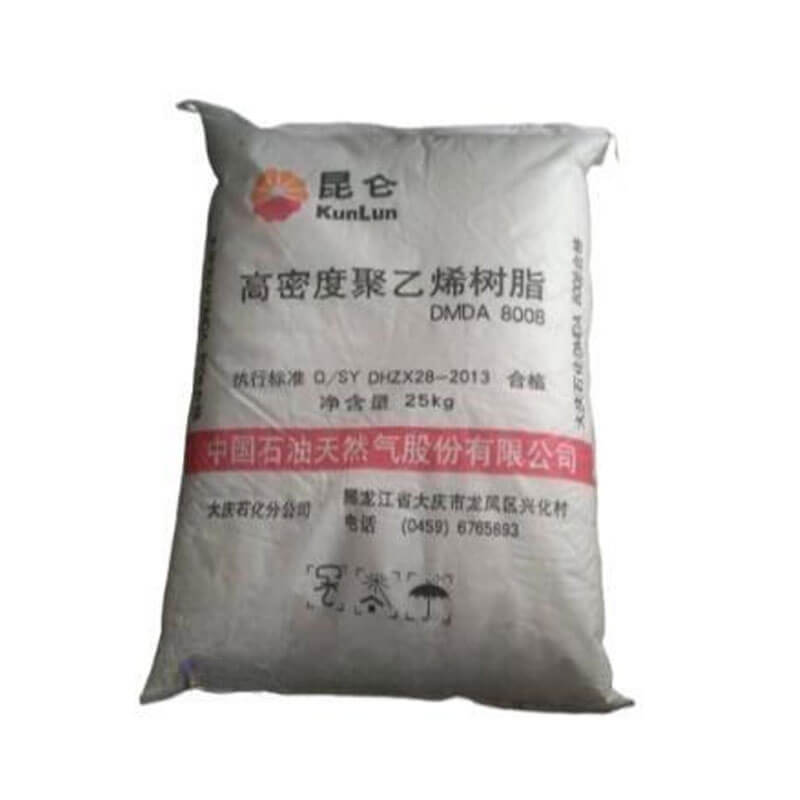
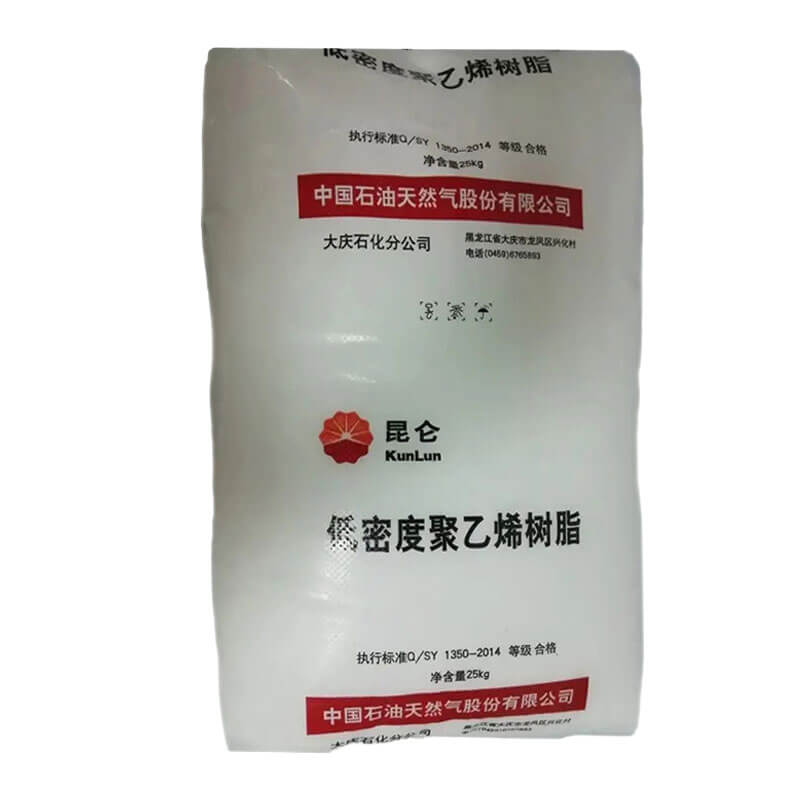
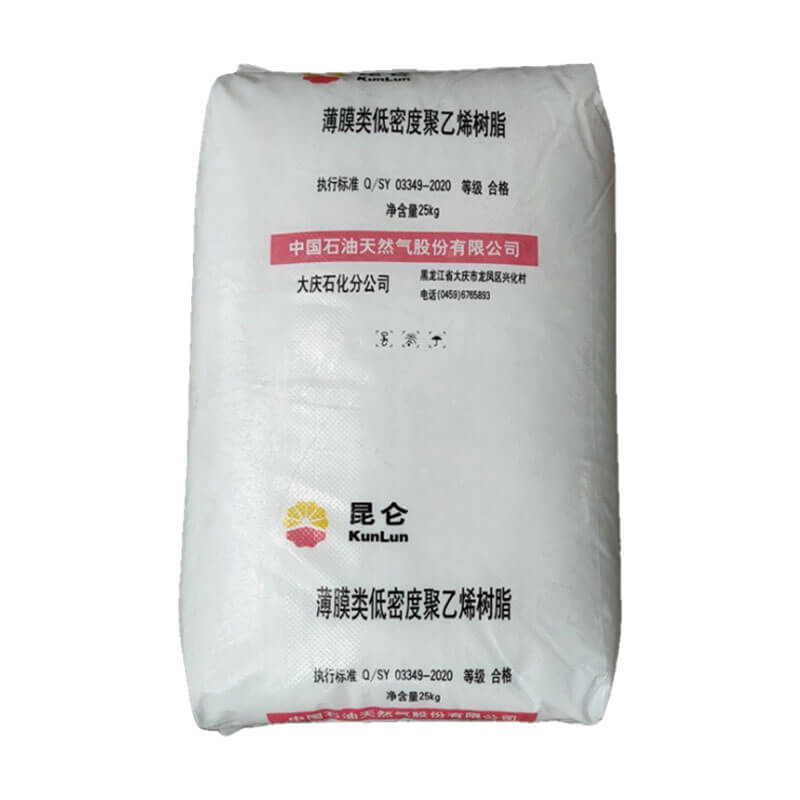
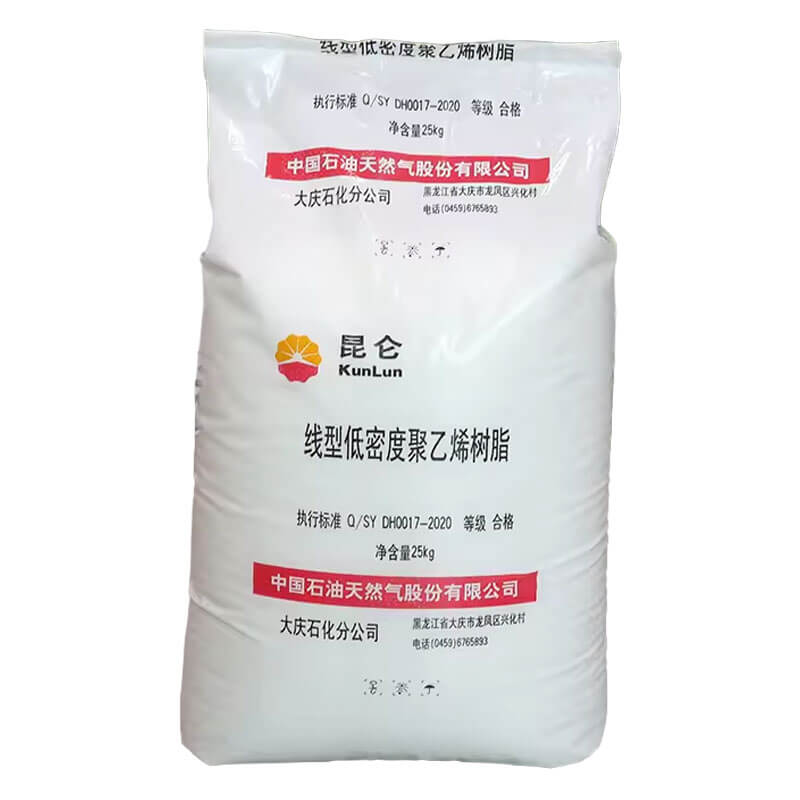
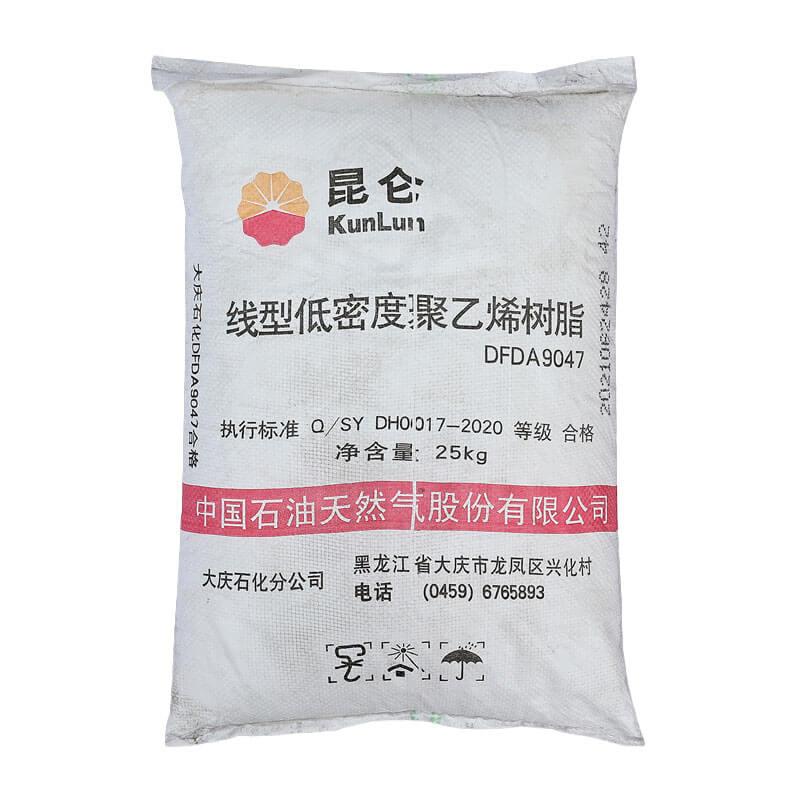
| Packing | LDPE resin is supplied in 25 kg heat-sealed polyethylene bags, palletized and wrapped for safe transport and storage. |
| Container Loading (20′ FCL) | 20′ FCL loading of LDPE resin: standard palletized bag filling, max weight ~28 tons, safe secure stowage. |
| Shipping | LDPE resin ships as non-hazardous solid pellets or granules in woven bags, sacks, or bulk containers. Protect from moisture, direct sunlight, and excessive heat. Use clean, dry transportation. Avoid contamination and rough handling. Standard freight, truck, rail, or sea container shipping is suitable with proper ventilation and secure stowage. |
| Storage | Store Low-Density Polyethylene Resin in a cool, dry, well-ventilated area away from direct sunlight, heat, and open flames. Keep containers sealed to prevent contamination and moisture absorption. Avoid contact with strong oxidizers. Maintain moderate temperatures below 50°C, and ensure proper labeling and segregation from incompatible materials to ensure safety. |
| Shelf Life | LDPE resin has an indefinite shelf life when stored in a cool, dry, dark place away from UV radiation. |
On single-layer and three-layer coextruded blown film lines producing collation shrink, heavy-duty sacks, and agricultural liners, low-density polyethylene resin with a melt flow rate of 0.2–2.0 g/10 min under ISO 1133-1:2022 and a density of 0.918–0.924 g/cm³ under ISO 1183-1:2019 is processed through extruders with L/D ratios of 24:1–30:1 and barrier screws fitted with Maddock mixing heads. Die diameters range from 100 mm to 400 mm, die gaps are set between 0.8 mm and 2.0 mm, and blow-up ratios are maintained at 2:1–4:1 to balance dart impact resistance and machine-direction tensile strength. Melt temperatures of 160–200°C and frost line heights of 150–400 mm from the die face control crystallinity and haze; if the frost line is lowered below 150 mm without increasing chill-air velocity, the film surface remains partially molten at the nip and blocking occurs on the collapsing frame. Production-scale lines reduce bubble instability from ambient air currents with internal bubble cooling systems and cooling-air ring pressures of 0.5–2.0 kPa, while film thickness from 15 µm to 250 µm is monitored with beta gauges or optical micrometers. Slip additives such as erucamide are dosed at 0.05–0.15 wt% and silica antiblock at 0.1–0.3 wt% to control coefficient of friction and unwinding; these additives migrate to the film surface over 24–72 h and shift heat seal initiation if not controlled. Seal initiation temperatures for LDPE film often fall between 90°C and 110°C, and hot tack strength is evaluated at 115–130°C on vertical form-fill-seal equipment to prevent seal failure during high-speed filling. Mechanical film properties are measured under ASTM D1709 falling dart impact, ISO 7765-1, ASTM D1922 Elmendorf tear, ISO 6383-2, and tensile properties under ISO 527-3; haze is measured under ASTM D1003 and gloss at 20° under ASTM D2457. LDPE is non-hygroscopic and not predried under normal conditions, but surface condensation from outdoor storage at relative humidity above 70% should be removed by hopper drying at 40–50°C for 2–4 h to avoid pinholes and surface voids. The main operational boundary is thermal degradation in the melt above 200°C under oxygen, which generates off-odours and gel specks that block screen packs and appear as fish eyes.
Extrusion coating and laminating lines that apply molten LDPE to paperboard, aluminium foil, or oriented polyester substrates rely on the resin’s melt strength and broad molecular weight distribution, but the process is constrained by neck-in, draw resonance, and the need for high-temperature surface oxidation. Coating-grade LDPE typically has a melt flow rate of 4–15 g/10 min and is processed at melt temperatures between 280°C and 320°C; the elevated temperature deliberately oxidizes the melt surface to create polar carbonyl, hydroxyl, and ketone groups that bond to paperboard and aluminium foil. Slot dies are positioned with an air gap of 150–300 mm above the nip, and line speeds range from 100 m/min to 400 m/min for lightweight coatings of 8–40 g/m². Neck-in, defined as the reduction in web width from die width to coated substrate width, increases with lower melt strength, larger air gap, and higher line speed; reducing die gap to 0.5–1.0 mm and using high-viscosity grades can limit neck-in to a few millimetres per side, but excessive drawdown causes edge bead and substrate wrinkling. Draw resonance, appearing as periodic thickness variation in the coating, is controlled by maintaining a stable draw ratio and quenching the film quickly on a polished chill roll at 10–20°C. The hot melt must meet food-contact requirements in liquid packaging; compliance is evaluated under FDA 21 CFR 177.1520 for olefin polymers and Regulation (EU) No 10/2011 for plastic materials intended to come into contact with food, with overall migration limited to 10 mg/dm² when the coating is in direct food contact. Adhesion properties are measured by peel testing according to ISO 8510-2 and TAPPI T 540 for paperboard adhesion, while heat-seal strength of the finished laminate is measured under ASTM F88. Primary failure modes on high-speed coaters are thermal oxidative gel formation when polymer residence time at 320°C exceeds 15–30 s, smoke generation from surface oxidation by-products, and pinholes caused by moisture at the paperboard surface.
| End Use | Regulation or Standard | Critical Test Parameter |
|---|---|---|
| Paperboard liquid packaging coating | FDA 21 CFR 177.1520 | Olefin polymer density and extraction fraction limits |
| Direct food contact coating in EU | Regulation (EU) No 10/2011 | Overall migration 10 mg/dm²; specific migration of listed additives |
| Laminating adhesion to aluminium foil | ISO 8510-2 | Peel adhesion force per width |
| Heat-seal performance of finished laminate | ASTM F88 | Seal strength at controlled dwell and temperature |
Cycle time, gate freeze-off, and clamp force per unit projected area control the injection moulding of thin-wall overcaps, flexible lids, and low-load appliance feet from LDPE grades with melt flow rates of 5–50 g/10 min and densities of 0.918–0.925 g/cm³. The material is processed at melt temperatures of 180–230°C, with mould temperatures maintained between 15°C and 40°C to reduce cycle time while still permitting adequate cavity packing. Injection pressures are typically 60–100 MPa, holding pressures 40–60 MPa, and clamp force is sized at 4–6 kN/cm² of projected part area for thin-wall caps. Mould shrinkage of LDPE is high, ranging from 1.5% to 2.5% as measured under ASTM D955 or ISO 294-4; this creates warpage and sink marks when wall sections differ by more than 40%. Flat lids with thick rims and thin membranes require cooling jigs or post-mould fixturing to prevent out-of-flatness, and gate locations are placed near the thickest section to maintain melt pressure during solidification. Tensile properties are measured under ASTM D638 and ISO 527-2; flexural modulus under ASTM D790 is typically between 150 MPa and 350 MPa, which limits the use of unfilled LDPE in load-bearing snap-fit structures. Environmental stress-cracking resistance, measured under ASTM D1693, becomes a specification requirement for caps that contact surfactants, oils, or alcohol-based formulations. LDPE grades with lower melt flow rate and broader molecular weight distribution generally show longer failure times, but published data for specific chemical formulations is limited. The moulding operation does not require predrying unless visible surface moisture has condensed on the pellets, but high recycle ratios above 30% reduce melt strength and increase the incidence of silver streaks and gate blush. Direct food-contact caps are evaluated for extractable fraction under FDA 21 CFR 177.1520 and for overall migration under Regulation (EU) No 10/2011 when the package is placed on the European market.
Rotational moulding consumes LDPE powder rather than pellets because the process depends on sintering and densification of a free-flowing powder during biaxial rotation in a heated mould. Suitable LDPE grades have melt flow rates of 3–8 g/10 min and particle sizes in the 300–500 µm range, obtained by ambient grinding of stabilized base resin; a narrow particle-size distribution improves fine-particle packing and reduces porosity at the inner wall. The mould is rotated at a primary-to-secondary speed ratio of 4:1 or 2:1 depending on part symmetry, and the oven temperature is set between 260°C and 320°C. The internal air temperature of the mould, not the oven temperature, determines the cycle end; for LDPE wall sections of 3–10 mm, peak internal air temperature is normally allowed to reach 180–220°C before forced cooling begins. Cycle times range from 20 min to 40 min, and cooling rates must be controlled to prevent warpage and part shrinkage of 2–3%. Pinholes and bubble entrapment result from insufficient heating time, excess moisture on the powder surface, or polymer degradation at the outer mould surface during prolonged high-temperature cycles. Rotomoulded LDPE is specified for small chemical tanks, toys, and outdoor containment parts where low-temperature toughness is required; low-temperature impact resistance is evaluated by ISO 179-1 or ARM impact tests at -40°C, while tensile properties are measured under ISO 527-2. For outdoor tanks, UV-stabilized LDPE compounds are evaluated under ASTM D1998 for long-term containment, and oxidative stability is assessed by OIT under ISO 11357-6. LDPE used in rotational moulding is not suitable for hot chemical storage above 50°C under sustained hydrostatic load because its modulus drops and creep increases; structural foam or crosslinked grades are required for higher service temperatures.
Extrusion blow moulding of LDPE into squeeze bottles, bellows, medical wash bottles, and cosmetic tubes uses grades with melt flow rates of 0.3–2.0 g/10 min to sustain the parison during open mould hang time. The melt is extruded through a diverging die at melt temperatures of 170–200°C; die swell for LDPE can reach 30–60%, so the die diameter and mandrel clearance are reduced below the desired part diameter. Parison sag is controlled by melt strength and by limiting hang time to less than 5–10 s on shuttle or continuous extrusion machines; excessive sag produces thin sidewalls and poor pinch-off welds. Blow pressure is set at 0.4–0.8 MPa, and mould temperatures are maintained at 10–30°C for rapid freezing. Wall thickness distribution is manipulated through axial and radial parison programming and measured by ultrasonic or capacitive gauges around the bottle circumference. Container performance is evaluated under ASTM D1693 for environmental stress-cracking resistance, ASTM D638 for tensile properties, and ASTM D2463 for drop impact of blow-moulded containers. Squeeze bottles for medical and laboratory applications are tested for leakage under ISO 11607-1 packaging requirements or equivalent internal procedures; ethylene oxide and gamma irradiation at doses up to 25 kGy are preferred sterilization routes. Steam autoclaving at 121°C is outside the useful range of LDPE because the part softens and permanently deforms under clamp load. The pinch-off weld at the base must be trimmed without sharp burrs because LDPE has low tear strength and notch sensitivity; pinholes at the weld are a common source of field failure in thin-wall bottles.
Low-density polyethylene resins with melt flow rates of 0.2–2.0 g/10 min and densities of 0.918–0.925 g/cm³ are used as primary insulation or jacketing in low-voltage communication cables and drop wire where a combination of low dielectric constant, low dissipation factor, and easy processing is required. Electrical properties measured under ASTM D150 give a dielectric constant of 2.25–2.35 at 1 MHz and a dissipation factor of 0.0001–0.0005; volume resistivity under ASTM D257 exceeds 1015 ohm·cm. The insulation is applied through a crosshead die on a single-screw extruder with melt temperatures of 170–220°C, and conductor preheat of 80–120°C improves adhesion between the polymer and copper or aluminium conductors. The principal long-term degradation mechanism is thermo-oxidative chain scission accelerated by copper ions from the conductor; therefore insulation compounds must contain hindered phenolic antioxidants at 0.1–0.3 wt% and metal deactivators at 0.1–0.5 wt%, with loading levels confirmed by accelerated air-oven ageing under IEC 60811-100 methods. Filled or contaminated grades are unsuitable because particles larger than 25 µm stress the insulation under bending and create partial discharge sites. Smooth-surface extrusion requires melt screening through 80–120 mesh packs and careful control of cooling water temperature to avoid ovality and eccentricity. The continuous conductor temperature for thermoplastic LDPE insulation is limited to 75°C in many cable specifications under UL 1581 or equivalent national standards; this rating reflects the material’s heat deformation and oxidation limits rather than dielectric breakdown. LDPE insulation is not a substitute for crosslinked polyethylene in medium- or high-voltage power cable because uncrosslinked chains deform under sustained short-circuit heating and exhibit lower thermal ageing resistance.
Competitive Low‑Density Polyethylene Resin LDPE prices that fit your budget—flexible terms and customized quotes for every order.
For samples, pricing, or more information, please contact us at +8618018036652 or mail to sales6@ascent-chem.com.
We will respond to you as soon as possible.
Tel: +8618018036652
Email: sales6@ascent-chem.com
Flexible payment, competitive price, premium service - Inquire now!
Low-density polyethylene resin LDPE is a branched thermoplastic produced by high-pressure free-radical polymerisation of ethylene in autoclave or tubular reactors at pressures of 100–350 MPa and temperatures of 150–350 °C. The resin is characterised by a density range of 0.917–0.930 g/cm³ when measured to ISO 1183-1 or ASTM D792 and by a melt flow rate from 0.2 g/10 min to 70 g/10 min at 190 °C under 2.16 kg according to ISO 1133-1:2022 or ASTM D1238. Long-chain branching and branch-on-branch architecture produce broad molecular weight distribution, shear thinning, and extensional strain hardening. Autoclave grades typically contain 1–3 long-chain branches per 1000 carbon atoms and molecular weight distribution Mw/Mn of 4–10; tubular grades at equivalent density have lower long-chain branch density and narrower distribution. Commercial film-grade models include LDPE 2420H, specified at density 0.923 g/cm³ and melt flow rate 2.0 g/10 min, and LDPE 2426H, documented at density 0.925 g/cm³ and melt flow rate 1.9 g/10 min. The product is used in blown film, extrusion coating, blow moulding, injection moulding, and wire and cable sheathing.
LDPE differs from LLDPE in chain architecture. LLDPE is essentially linear with short-chain branches derived from butene, hexene, or octene, while HDPE has minimal short-chain branching. These structural differences control crystallinity and rheology. LDPE crystallinity is 45–55% with a melting peak of 105–115 °C; LLDPE crystallinity is 35–55% with a melting peak of 110–125 °C; HDPE crystallinity is 60–80% with a melting peak of 125–135 °C. The long-chain branching of LDPE produces higher melt strength and lower neck-in in extrusion coating, while linear grades exhibit higher tensile yield and puncture resistance. Rheotens tests at 190 °C typically show melt strength values of 0.10–0.30 N for LDPE film grades, whereas LLDPE film grades of equal melt flow rate fall below 0.10 N. This difference explains why LDPE is blended with LLDPE at 10–30 wt% to stabilise bubble geometry in blown film and reduce melt fracture at high output.
| Variable | LDPE 2420H | LLDPE film grade | HDPE blow moulding grade |
|---|---|---|---|
| Density (ISO 1183-1) | 0.923 g/cm³ | 0.918–0.935 g/cm³ | 0.945–0.965 g/cm³ |
| Melt flow rate (ISO 1133-1:2022) | 2.0 g/10 min | 0.5–2.0 g/10 min | 0.2–2.0 g/10 min |
| Tensile yield stress (ISO 527-2) | 9–11 MPa | 10–20 MPa | 20–30 MPa |
| Elongation at break (ISO 527-2) | 400–700% | 700–1000% | 600–1000% |
| Vicat softening temperature A50 (ISO 306) | 85–95 °C | 90–105 °C | 120–130 °C |
In blown film extrusion, LDPE 2420H is processed on single-screw extruders with L/D ratios from 24:1 to 30:1, water-cooled feed throats, and barrier screws with Maddock mixing sections. Die gaps are set between 0.8 mm and 2.0 mm, blow-up ratios between 2.0:1 and 4.0:1, and frost-line heights between 400 mm and 900 mm on conventional tubular towers. Barrel temperatures increase from 140 °C at the feed zone to 180 °C at the metering zone; melt temperature at the die is held at 160–200 °C. Production-scale equipment logs show that bubble stability deteriorates below 170 °C because throughput-induced shear heating is insufficient to eliminate melt fracture, while oxidative gel formation increases above 210 °C. A 50 µm film produced under these conditions exhibits tensile strength at break of approximately 20 MPa in machine direction and 18 MPa in transverse direction when tested to ISO 527-3 at 23 °C and 50 mm/min. Dart impact resistance on 50 µm film is 100–150 g per ISO 7765-1; Elmendorf tear strength is 1.5–3.0 N in machine direction and 2.0–4.0 N in transverse direction per ISO 6383-2. Haze for unpigmented 50 µm film is 5–10% per ASTM D1003. These values are grade-specific; lot-to-lot variation in autoclave reactor temperature can shift dart impact by ±15 g and haze by ±1.5%.
LDPE 2420H is supplied as translucent pellets with specification limits of density 0.923 ± 0.001 g/cm³, melt flow rate 2.0 ± 0.3 g/10 min, tensile strength at break ≥16 MPa and elongation at break ≥500% on compression-moulded specimens per ISO 527-2. Antioxidant package is typically 500–1500 ppm of phenolic primary antioxidant and phosphite secondary antioxidant. Moisture content is specified at ≤0.05 wt%; predrying is not routinely required unless condensation is observed at relative humidity above 60% and pellet surface moisture is confirmed. The resin should be stored below 50 °C to limit additive bloom and oxidative chain scission.
In collation shrink and pallet wrapping, LDPE film can be oriented at 100–130 °C and then shrunk in hot air at 120–140 °C; free shrink measured by ASTM D2732 reaches 60–80% machine direction and 20–40% transverse direction for oriented film. Shrink force values measured by ISO 14616 depend on orientation ratio and line speed.
Extrusion coating of paperboard, aluminium foil, and flexible webs uses LDPE grades with melt flow rates from 4 g/10 min to 15 g/10 min and density from 0.915 g/cm³ to 0.925 g/cm³. The resin is plastified in single-screw extruders with L/D ratios of 28:1–32:1, discharged through coathanger T-slot dies, and drawn across an air gap of 100–250 mm onto corona-treated substrates before entering a polished chill roll at 10–20 °C. Die melt temperatures are maintained at 280–330 °C; coating line speeds up to 300 m/min require sufficient elongational viscosity to suppress draw resonance. Neck-in from die width to coated width is typically 30–80 mm per edge; higher MFR or narrower molecular weight distribution increases neck-in and reduces draw-down. Adhesion is evaluated by peel testing at 180° and 100 mm/min per ASTM D1876 or TAPPI T 540, with cohesive paper failure preferred over adhesive failure. Antioxidant packages for high-temperature coating limit gel formation, but prolonged residence time above 300 °C causes visible gel particles and loss of hot-tack sealability.
In coextrusion coating, LDPE is used as a sealing layer or as a blend partner with polypropylene and LLDPE. Long-chain branching reduces draw resonance but increases melt elasticity; die lip build-up and edge tear can occur if melt temperature falls below 280 °C or if die lip cleanliness is not maintained. Published data for specific coextrusion configurations is limited, and line-specific trials are required to establish neck-in and line-speed ceilings.
For blow moulding of small containers and squeeze bottles, LDPE grades with melt flow rate 0.3–2.0 g/10 min and density 0.920–0.925 g/cm³ are processed at melt temperatures 180–200 °C; parison swell is higher than HDPE because long-chain branching increases recoverable shear strain during die flow. Injection moulding of LDPE is confined to high-flow grades at 20–70 g/10 min for lids and thin-wall packaging, with mould temperatures of 10–40 °C and injection pressures of 40–80 MPa; these configurations trade flexural stiffness and heat resistance for filling ease and article flexibility.
Regulatory and mechanical compliance testing for LDPE follows standardised methods covering melt flow, density, mechanical response, food contact, and restricted substances. The table below consolidates the primary assessment framework for commercial grades.
| Requirement | Standard or regulation | LDPE assessment |
|---|---|---|
| Melt mass-flow rate | ISO 1133-1:2022 | 190 °C, 2.16 kg; grade-specific tolerance |
| Density | ISO 1183-1 / ASTM D792 | 0.917–0.930 g/cm³ for LDPE |
| Tensile properties | ISO 527-2 / ASTM D638 | Type 1A or Type IV specimens; yield and break values |
| Food contact (EU) | Regulation (EU) No 10/2011 | Overall migration <10 mg/dm²; monomer-specific |
| Food contact (US) | FDA 21 CFR 177.1520 | Olefin polymer; use conditions in 21 CFR 176.170 |
| Dangerous substances | IEC 62321 / RoHS 2011/65/EU | Pb <1000 mg/kg, Cd <100 mg/kg, Hg <1000 mg/kg, Cr(VI) <1000 mg/kg |
| Polyethylene designation | ASTM D4976-12a / ISO 1872-1 | PE-LD; stabilised and non-stabilised classes |
For food contact applications, LDPE grades may be used under Regulation (EU) No 10/2011 provided overall migration does not exceed 10 mg/dm² and specific migration limits for monomer and additives are met. Under FDA 21 CFR 177.1520, LDPE is an olefin polymer subject to extractables limitations and end-use temperature restrictions; antioxidant and slip additive packages must meet FDA 21 CFR 178.2010. REACH Regulation (EC) No 1907/2006 exempts polymers from registration, but the ethylene monomer is registered. RoHS 2011/65/EU applies to electrical and electronic applications where LDPE is used in wire and cable insulation, connectors, or housings.
Wire and cable insulation and jacketing compounds based on LDPE use base resins with melt flow rate 0.2–0.6 g/10 min and density 0.920–0.925 g/cm³. The resin is compounded with dicumyl peroxide for peroxide-crosslinked insulation, or with ethylene-vinyl acetate and silane grafting packages for moisture-cured insulation. Extrusion on cable lines with L/D ratios 24:1–30:1 at die melt temperatures 180–220 °C produces insulation with dielectric constant 2.2–2.4 at 50 Hz per IEC 60250 and dissipation factor below 0.001. Carbon-black-filled conductive screens are evaluated for volume resistivity per IEC 60811-501; published data for this specific compound configuration is limited, and acceptance limits are set by cable standards. If carbon black moisture exceeds 0.15 wt%, porosity and dielectric strength loss are observed; carbon black masterbatch should be predried at 70–80 °C for 2–4 h. LDPE insulation is not applied to high-voltage AC cable above 35 kV unless the base resin is tested for gel content and impurity count per IEC 62067.