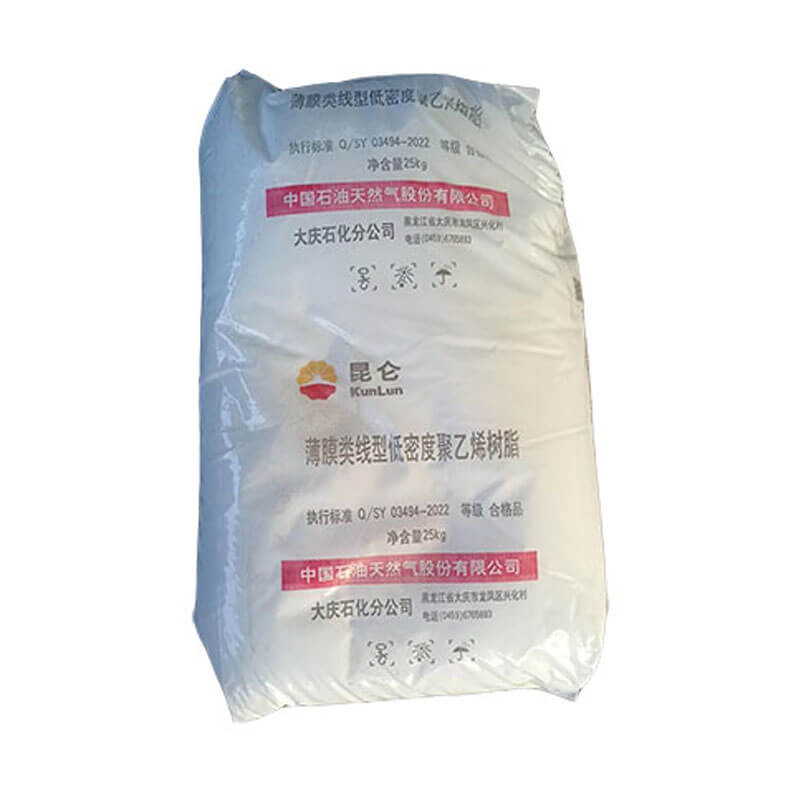
Low‑Density Polyethylene Resin LDPE, Film Grade

    • Product Name: Low‑Density Polyethylene Resin LDPE, Film Grade
    • Factroy Site: Xinghua Village, Longfeng District, Daqing City, Heilongjiang Province
    • Price Inquiry: sales6@ascent-chem.com
    • Manufacturer: PetroChina Daqing Petrochemical Company
    • CONTACT NOW
    Specifications
    HS Code 402374
    Density 0.918 - 0.935 g/cm³
    Melt Flow Index 0.2 - 2.0 g/10 min at 190°C, 2.16 kg
    Melting Point 110 - 115 °C
    Tensile Strength At Break 20 - 45 MPa (typical film)
    Elongation At Break 200 - 800% (typical film)
    Impact Strength Dart Drop 120 - 500 g (varies with film thickness)
    Haze 5 - 10% on 25 µm film
    Gloss 45 Degrees 50 - 75
    Water Vapor Transmission Rate 15 - 25 g/m²/day at 37.8°C, 90% RH for 25 µm film
    Oxygen Transmission Rate 7000 - 9000 cm³/m²/day at 23°C, 0% RH, 1 atm for 25 µm film
    Vicat Softening Point 85 - 95 °C
    Brittleness Temperature -76 °C or lower
    Chemical Resistance Resists dilute acids, alcohols, bases, and salts at room temperature

    As an accredited Low‑Density Polyethylene Resin LDPE, Film Grade factory, we enforce strict quality protocols—every batch undergoes rigorous testing to ensure consistent efficacy and safety standards.

    Packing & Storage
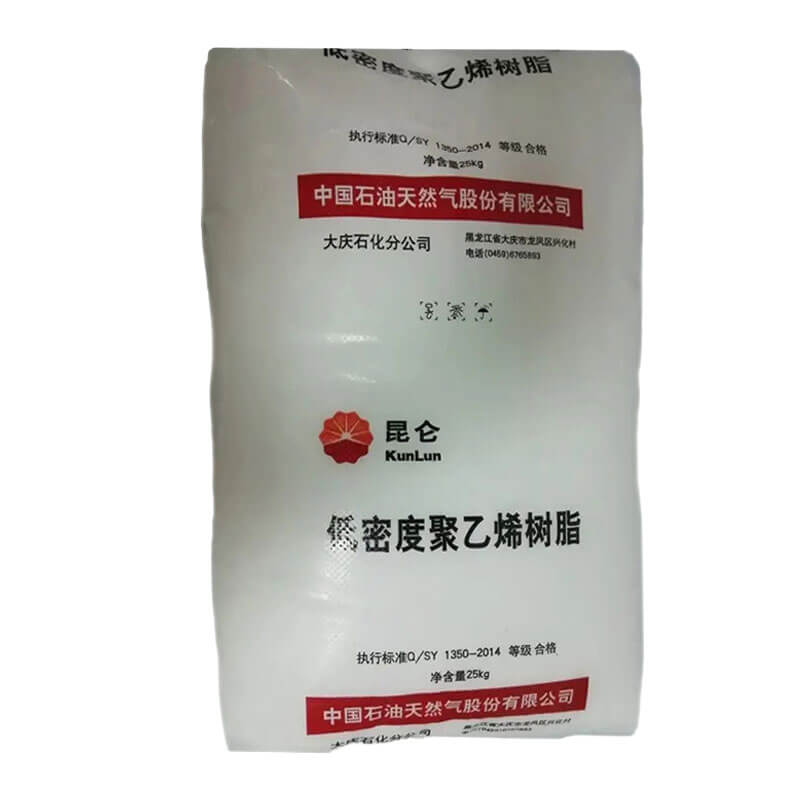
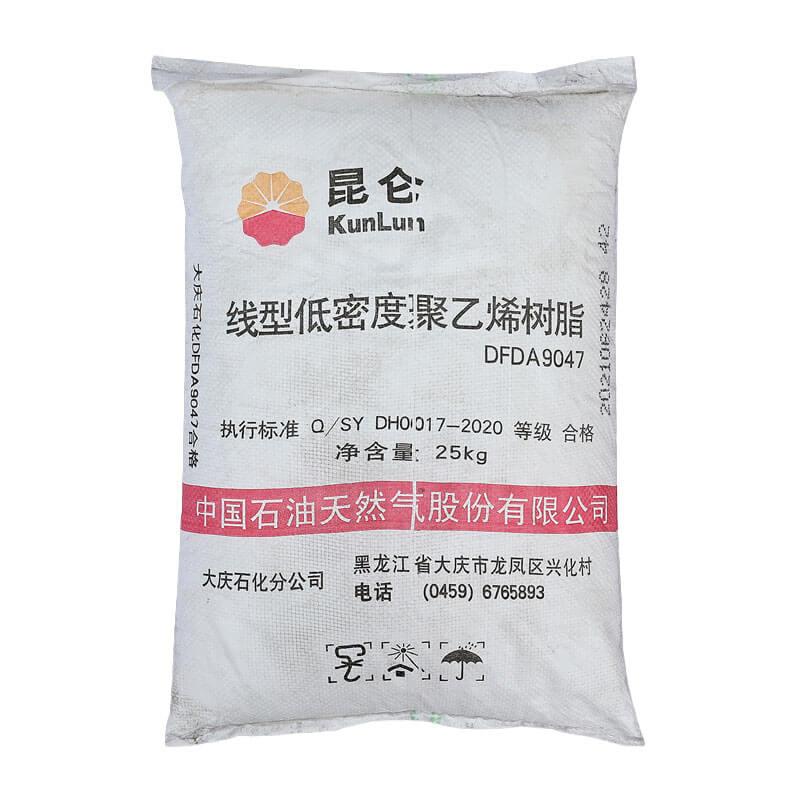
    Packing Packaging: 25 kg polyethylene-lined woven bags, palletized and stretch-wrapped, protecting LDPE film-grade resin from moisture and contamination during transport.
    Container Loading (20′ FCL) 20’ FCL: 25 kg bags on pallets, shrink-wrapped, ~10–12 MT per container, safe, dry, ventilated stowage.
    Shipping Low-Density Polyethylene Resin (LDPE), Film Grade, ships as virgin thermoplastic pellets in moisture-resistant bags or bulk hopper containers. Transport via dry van, containers, or railcars, keeping away from heat, ignition sources, and direct sunlight. Standard handling prevents contamination; no hazardous classification for general freight.
    Storage Store LDPE resin pellets in a cool, dry, well-ventilated area away from direct sunlight, heat, and ignition sources. Keep packaging sealed to prevent moisture pickup and contamination. Stack bags securely, away from sharp objects. Use first-in, first-out rotation. Avoid excessive dust accumulation. No special hazardous storage required.
    Shelf Life Shelf life is indefinite when stored in a cool, dry area, away from sunlight, heat, and contamination.
    Application of Low‑Density Polyethylene Resin LDPE, Film Grade

    Food-Contact Flexible Packaging Via Film-Grade LDPE and Coefficient-of-Friction Drift

    A blown-film line running a film-grade LDPE with a melt flow index of 0.3–0.5 g/10 min at 190 °C/2.16 kg per ISO 1133-1 and density 0.918–0.928 g/cm³ per ISO 1183-1 produces a 50 µm bread bag or produce bag, but the converting step imposes a kinetic coefficient-of-friction window that is not achieved by resin selection alone; erucamide migration from the film surface over 24–72 h after extrusion shifts the coefficient of friction from 0.35–0.60 to 0.15–0.30 when measured by ASTM D1894. The extrusion line typically consists of a single-screw extruder with L/D 30:1, barrier screw, screen pack of 60/80/100 mesh, die diameter 200–300 mm, die gap 1.8–2.4 mm, blow-up ratio 2.8:1–3.2:1, melt temperature 180–220 °C, and twin-lip air ring with internal bubble cooling; frost line height is held at 3–5 die diameters above the die to balance optical haze and tear anisotropy. Formulation on a 100 parts LDPE film-grade base typically includes 10–20 wt% C4-LLDPE for dart impact improvement, erucamide slip masterbatch at 500–1500 ppm, synthetic silica antiblock at 1000–3000 ppm, hindered phenol antioxidant at 500–1000 ppm, and a fluoropolymer process aid at 200–600 ppm to suppress die-lip melt fracture; the additives are dosed gravimetrically at the hopper with a tolerance of ±0.1% because slip/antiblock imbalance affects both heat seal strength and coefficient of friction. Compliance for direct food contact under US jurisdiction is 21 CFR 177.1520(c), while EU harmonised rules under Commission Regulation (EU) No 10/2011 impose an overall migration limit of 10 mg/dm² according to EN 1186-1; film testing for tensile, tear, and dart impact follows ISO 527-3, ISO 6383-2, and ASTM D1709. Terminal product types include bread bags, produce bags, frozen food liners, and inner plies of multiwall food sacks; for printed webs, corona treatment to 38–42 mN/m is usually required before lamination or ink adhesion.

    Film PropertyTest MethodTypical Acceptance Window
    Kinetic coefficient of frictionASTM D18940.15–0.30
    Dart drop impactASTM D1709100–250 g for 50 µm
    Elmendorf tear MD/TDASTM D1922MD 3–7 N, TD 5–10 N
    HazeASTM D10035–12%

    Across greenhouse and silage cover extrusion, the primary stabilisation conflict is between ultraviolet absorber loading and optical clarity, because benzotriazole-type absorbers raise haze while hindered amine light stabilisers preserve tensile elongation after weathering; this conflict determines whether a three-layer blown-film line runs a clear greenhouse film or a black silage cover from the same film-grade LDPE base. The process typically uses a die diameter of 250–400 mm, die gap 1.2–2.5 mm, blow-up ratio 3.0:1–4.0:1, melt temperature 190–215 °C, and film thickness 150–200 µm for multi-season greenhouse cover or 120–180 µm for silage clamp cover; the middle layer may incorporate 0–15 wt% edge trim regrind provided retained antioxidant concentration is verified. Formulation for a greenhouse grade is 90–95 wt% LDPE film grade, 5–10 wt% C4-LLDPE, HALS masterbatch at 0.2–0.8 wt%, UV absorber at 0.1–0.3 wt%, and antifog additive at 0.5–1.5 wt% to reduce surface condensation; for silage covers, carbon black masterbatch is added at 2.0–2.5 wt% and antifog is usually omitted. Compliance for greenhouse covering films is governed by EN 13206, which references accelerated weathering methods in ISO 4892-2 and tensile retention under ISO 527-3; agricultural films sold in the EU are also subject to REACH substance restrictions and national waste-management requirements. Terminal products include low tunnel film, greenhouse cladding, silage clamp covers, and mulch films; the same base resin may produce all four if the UV package and slip/antiblock ratio are adjusted independently.

    Where Heavy-Duty Sack Film Fails in Filled-Drop: Puncture Mechanics at 200–300 µm Gauge

    A 200 µm heavy-duty shipping sack web fails in filled-drop impact not because of tensile yield, but because puncture energy concentrates at the gusset weld where orientation in the transverse direction is reduced; as a result, dart impact and slow puncture resistance are stronger specification drivers than tensile modulus. The blown-film line for this grade runs a die diameter of 150–350 mm, die gap 2.0–2.8 mm, blow-up ratio 2.0:1–3.0:1, melt temperature 200–230 °C, and frost line height 6–10 die diameters above the die; gusseted tubing is formed by collapsing the bubble through a side-gusset frame and running a surface winder with taper tension. Formulation on 100 parts LDPE film-grade base uses 10–15 wt% C4-LLDPE for dart impact, erucamide slip at 800–1200 ppm, synthetic silica antiblock at 2000–4000 ppm, carbon black masterbatch at 2.0–2.5 wt% for outdoor storage, and antioxidant at 500–1500 ppm. Compliance and qualification for a FIBC liner or drum liner are not the same: the outer FIBC is tested under ISO 21898 for drop and top-lift cycles, while the film liner is qualified by ASTM D1709 dart impact, ASTM D5748 puncture propagation, and ISO 6383-2 tear; if the liner contacts food, Commission Regulation (EU) No 10/2011 and 21 CFR 177.1520 migration limits apply. Terminal product types include FIBC inner liners, steel drum liners, chemical shipping sacks, and aggregate bags; screen pack pressure above 300 bar during production usually indicates gel contamination from outdated edge trim or insufficient antioxidant, and gauge variation beyond ±5% at the gusset region predicts field failures in filled-drop trials.

    Extrusion Coating LDPE onto Paperboard and Foil Under High Line Speeds

    Adhesion of LDPE film-grade resin to paperboard is governed by the oxidation state of the melt across the air gap, not by polymer density alone; enough residence time above 300 °C creates polar carbonyl groups that bond to board and foil, but excessive oxidation reduces heat seal strength and creates off-taste in liquid packaging. The extrusion coating line uses a 90–120 mm single-screw extruder with L/D 30:1–32:1, barrier screw with Maddock mixing section, flat die with internal deckle, die gap 0.5–0.8 mm, melt temperature 300–330 °C, air gap 150–250 mm, coating nip pressure 40–90 N/mm, and line speed 200–600 m/min; coat weight is held at 15–30 g/m² by adjusting extruder rpm and line speed together. Formulation is 100 parts LDPE film grade with 300–800 ppm hindered phenol antioxidant; no slip or antiblock is added for internal coating layers, while an anhydride-modified PE tie resin at 5–10 wt% may be used in a coextruded tie layer to improve adhesion to aluminium foil. Compliance for aseptic cartons and sachets includes 21 CFR 177.1520 and Commission Regulation (EU) No 10/2011; bond strength of finished laminates is usually evaluated by ASTM F904 or analogous internal peel methods. Terminal products include aseptic liquid packaging cartons, foil lidding, portion sachets, and coated paper for release liners; a film-grade LDPE with melt flow index above 4 g/10 min at 190 °C/2.16 kg can reduce neck-in but typically lowers heat seal hot-tack and is less common for barrier laminates.

    When a tubular LDPE shrink overwrap must reach 60–80% free shrink in the transverse direction, the double-bubble orientation line requires a first-bubble cooling rate that preserves secondary crystallinity and a second-bubble temperature window narrow enough to avoid premature recrystallisation; deviation of lateral web temperature by more than ±5 °C produces local shrink force variation and visible banding on the finished collation pack. The process extrudes a first bubble at melt temperature 180–210 °C, die gap 0.8–1.5 mm, and initial blow-up ratio 1.2:1–1.6:1, quenches the tube to 10–25 °C, reheats it in a hot-air tunnel at 100–120 °C, and inflates the second bubble to a blow-up ratio of 4:1–6:1; final gauge is 30–80 µm. Formulation on 90–100 wt% LDPE film-grade base may include 0–10 wt% C4-LLDPE for puncture resistance, synthetic silica antiblock at 1500–3000 ppm, slip at 500–1000 ppm, and antioxidant at 500–1500 ppm; higher antiblock is required than in general-purpose film because the second bubble stretching increases surface contact. Compliance for free shrink and shrink force is measured by ASTM D2732 and ASTM D2838, with supplementary heat-seal strength tested by ASTM F88. Terminal products include bottle multipack wrap, can collation film, and printed overwrap for corrugated trays; the same resin lot may show batch-to-batch variation in shrink onset because comonomer distribution affects lamella thickness distribution, so incoming resin should be tested for DSC melting curve via ISO 11357-3.

    What Limits Peel Strength in Sterile Barrier Sealant Webs?

    What limits peel strength in sterile barrier sealant webs is not the LDPE seal initiation temperature alone; particulate antiblock and slip additives migrate to the seal area and create a failure path if their loading exceeds a cleanroom-compatible threshold, while metallocene LLDPE blending raises seal strength but reduces clarity and changes the seal plateau. The coextruded blown-film line for a sealant web runs die gap 1.5–2.0 mm, blow-up ratio 2.0:1–2.5:1, melt temperature 180–220 °C, and film thickness 40–80 µm, with converting and slitting performed in an ISO Class 8 or Class 7 cleanroom to limit particulate contamination. Formulation uses 60–80 wt% LDPE film grade and 20–40 wt% metallocene LLDPE to generate broad hot-tack and seal-strength windows, with slip reduced to 0–500 ppm or omitted, synthetic silica antiblock at 500–1000 ppm, and antioxidant at 700–1000 ppm; deliberate omission of erucamide is normal because storage migration compromises peel strength consistency. Compliance is framed by ISO 11607-1 for packaging systems for terminally sterilised medical devices, with seal strength tested by ASTM F88 and integrity by ASTM F1929; material biocompatibility often references ISO 10993-5, and the film layer must comply with 21 CFR 177.1520 if it is a food-equivalent material. Terminal products include sterile barrier pouches, form-fill-seal lidstock for rigid trays, and header bags for catheters; published water vapour transmission data for monolayer LDPE sealant webs below 50 µm at 38 °C/90% RH varies by gauge and sealant density, and directly comparable published results for this specific resin configuration are limited outside converter technical datasheets.

    Under a concrete slab, a 300–500 µm LDPE vapour retarder is specified by water vapour permeance and puncture resistance rather than by optical properties; therefore film-grade LDPE with a low melt flow index can be used provided gauge control across a 6–12 m layflat web is maintained within ±10%. The blown-film line operates die diameter 500–1500 mm, die gap 2.0–3.0 mm, blow-up ratio 2.2:1–3.5:1, melt temperature 200–230 °C, and thickness 200–500 µm; carbon black is added to resist UV exposure during construction staging. Formulation is 98–100 wt% LDPE film grade with carbon black masterbatch 2.0–3.0 wt%, HALS 0.1–0.5 wt%, and antioxidant 500–1000 ppm. Compliance for vapour retarder permeance is tested by ASTM E96, with a common target below 0.1 perm for under-slab use; material requirements may additionally reference ASTM D4397 for polyethylene sheeting in construction. Terminal products include under-slab vapour retarders, concrete curing covers, temporary dust barriers, and surface protection sheeting for glazing and cladding. This is a well-established practice; beyond permeance and puncture testing, the main production variable is total thickness profile, not additive formulation.

    Free Quote

    Competitive Low‑Density Polyethylene Resin LDPE, Film Grade prices that fit your budget—flexible terms and customized quotes for every order.

    For samples, pricing, or more information, please contact us at +8618018036652 or mail to sales6@ascent-chem.com.

    We will respond to you as soon as possible.

    Tel: +8618018036652

    Email: sales6@ascent-chem.com

    Inquiry

    Get Free Quote of PetroChina Daqing Petrochemical Company

    Flexible payment, competitive price, premium service - Inquire now!

    Certification & Compliance
    More Introduction

    Low-Density Polyethylene Resin LDPE, Film Grade

    Film-grade low-density polyethylene comprises branched ethylene homopolymers produced by high-pressure radical polymerisation in tubular or autoclave reactors. The polymer is specified for blown and cast film converters at a density of 0.918–0.930 g/cm³ when measured under ISO 1183-1:2019 or ASTM D1505, and a melt flow rate of 0.2–4.0 g/10 min at 190 °C and 2.16 kg load under ISO 1133-1:2022 or ASTM D1238. Representative film-grade designations encountered in conversion include 2420H, 2426H, LD100AC, and 2100TN00; resin selection is governed by optical haze, melt strength, drawdown, and seal performance rather than grade nomenclature alone. Tubular reactor grades commonly exhibit narrower molecular weight distribution and improved clarity, while autoclave reactor grades provide elevated long-chain branching and superior bubble stability at high blow-up ratios.

    Typical film applications include general-purpose packaging, shrink bundling, agricultural tunnel film, heavy-duty sacks, lamination film, surface protection film, and sterile packaging webs. Food-contact compliance is established through FDA 21 CFR 177.1520 and EU Regulation (EU) No 10/2011, provided that specific migration limits for monomers and additives meet the end-use requirements. The product is not hygroscopic; storage in ambient conditions below 60% RH is normally adequate. However, direct sun exposure and warehouse temperatures above 40 °C may accelerate additive bloom and should be controlled.

    Why Does Film-Grade LDPE Retain Higher Melt Strength Than Linear Low-Density Polyethylene?

    The property difference arises from molecular architecture. LDPE contains long-chain branches formed during radical transfer reactions such as backbiting and intramolecular chain transfer. These branches increase melt elasticity and strain-hardening behaviour in elongational flow. As a result, blown film bubble stability at blow-up ratios of 2.5–3.5 is maintained with lower melt temperatures, typically 160–195 °C, than would be required for linear low-density polyethylene of equivalent melt flow rate. The long-chain branching also increases shear thinning, reducing apparent viscosity at extrusion shear rates of 200–1,000 s⁻¹ while retaining higher zero-shear viscosity. Converters commonly infer the practical melt strength from bubble stability and neck-in during extrusion coating, because extensional viscosity is not routinely reported on certificates of analysis. A shift in melt flow rate of ±0.15 g/10 min can alter bubble neck height and film gauge distribution on standard blown film lines, particularly when frost line height is fixed.

    Melt Flow Ratio, Density, and Optical Haze Targets for Blown Film Lines

    The tabulated values represent typical property ranges for unfilled, additive-modified blown film grades at 50 µm thickness. They are indicative rather than specification limits. Lot-to-lot variation is normally controlled around the selected grade within ±0.002 g/cm³ for density and ±0.15 g/10 min for melt flow rate.

    Property Test Method Typical Range
    Density ISO 1183-1:2019 / ASTM D1505 0.918–0.930 g/cm³
    Melt Flow Rate, 190 °C, 2.16 kg ISO 1133-1:2022 / ASTM D1238 0.2–4.0 g/10 min
    Vicat Softening Temperature ISO 306/A50 85–100 °C
    Melting Temperature, DSC ISO 11357-3 105–115 °C
    Tensile Strength at Break ISO 527-3 / ASTM D882 10–20 MPa
    Elongation at Break ISO 527-3 / ASTM D882 200–600%
    Dart Drop Impact, F50, 50 µm ISO 7765-1 / ASTM D1709A 60–150 g
    Elmendorf Tear Strength, MD ISO 6383-2 / ASTM D1922 40–100 g
    Haze, 50 µm ISO 14782 / ASTM D1003 4–8%
    Gloss, 45° ASTM D2457 60–80 GU
    Kinetic Coefficient of Friction ISO 8295 / ASTM D1894 0.10–0.40
    Water Vapour Transmission Rate, 50 µm, 38 °C, 90% RH ISO 15106-2 / ASTM F1249 15–20 g/m²·24 h
    Oxygen Transmission Rate, 50 µm, 23 °C, 0% RH ASTM D3985 2,500–4,000 cm³/m²·24 h·atm

    In blown film production, a 90 mm grooved-feed extruder with L/D 30 is typically set to a barrel temperature profile of 150–180 °C and a die temperature of 170–190 °C. The die gap is commonly held at 0.8–1.8 mm, but heavy-wall film gauges above 150 µm may require a gap of 2.0 mm to avoid excessive shear heating. At a blow-up ratio of 2.0–3.0 and frost line height between 4 and 8 die diameters, long-chain branching suppresses bubble flutter while maintaining gauge uniformity across the web. Pre-drying is generally unnecessary when storage relative humidity is below 60%. Above 60% RH, surface moisture can produce microvoids and optical haze; a hopper dryer at 60–70 °C for 2–4 h is then advised. Melt temperatures above 220 °C increase gel formation and odour from oxidative chain scission, while temperatures below 150 °C raise the risk of unmelts and poor additive dispersion.

    When Cast Film and Extrusion Coating Replace Blown Film: Melt Draw and Edge Stability

    For cast film and extrusion coating, grade selection shifts toward higher melt flow rates of 4.0–8.0 g/10 min to reduce backpressure and improve draw. Film-grade LDPE used in extrusion coating typically has density of 0.915–0.925 g/cm³ and contains no slip additives, because slip migration can reduce adhesion to paper and aluminium foil. Neck-in, the difference between die width and coated substrate width, is commonly 50–120 mm on a 2 m slot die at line speeds of 250–330 m/min; the long-chain branching reduces neck-in relative to a linear polyolefin of identical melt flow rate. The chill roll temperature is maintained at 15–25 °C to prevent blocking. Edge trim is reprocessed at no more than 15 wt% in the same layer to avoid gel accumulation. When downgauging to 15–20 µm, extrusion coating lines require melt temperatures above 280 °C to maintain internal bubble-free melt films; published data for this specific configuration is limited, and conversion conditions must be validated on the target line.

    How Do Film-Grade LDPE, LLDPE, and HDPE Differ in Downstream Conversion?

    The conversion differences are most visible in bubble stability, toughness, clarity, and moisture barrier performance. Compared with butene-based linear low-density polyethylene, LDPE film grade typically exhibits lower dart impact and tear resistance at equivalent gauge but provides superior bubble stability, higher melt strength, and improved surface smoothness in thick-gauge shrink film. Compared with high-density polyethylene, LDPE has lower density, lower stiffness, lower moisture barrier, and substantially better optical transparency at thin gauge. Compared with ethylene-vinyl acetate copolymers, LDPE offers higher melting temperature and better thermal stability, but higher seal initiation temperature and lower hot tack.

    Resin Type Typical Density Melting Temperature Moisture Barrier at 50 µm Typical Haze at 50 µm Dart Impact F50 Primary Conversion Limitation
    LDPE Film Grade 0.918–0.930 g/cm³ 105–115 °C 15–20 g/m²·24 h 4–8% 60–150 g Lower toughness than LLDPE
    Butene LLDPE 0.916–0.925 g/cm³ 120–125 °C 15–22 g/m²·24 h 5–15% 100–400 g Lower melt strength and bubble stability
    HDPE 0.940–0.970 g/cm³ 125–135 °C 5–10 g/m²·24 h >80% 60–250 g Low clarity and high stiffness
    EVA, 18% VA 0.940–0.950 g/cm³ 85–95 °C 25–35 g/m²·24 h 2–6% 150–500 g Lower thermal stability and higher COF

    Seal Initiation Temperature, Hot Tack, and Barrier Limitations

    Heat-seal curves for film-grade LDPE are influenced by density, short-chain branching distribution, and additive migration. Seal initiation temperature is commonly reported between 95 °C and 110 °C at a sealing pressure of 0.5 N/mm² and dwell time of 0.5 s. Hot tack strength under ASTM F1921 is lower than that of ionomer or EVA-based sealants, which restricts use in vertical form-fill-seal packaging where molten seal loads are high immediately after jaw release. Oxygen and carbon dioxide permeability are relatively high; LDPE film is therefore unsuitable for oxygen-sensitive products without coextrusion of ethylene-vinyl alcohol or polyamide barrier layers. Moisture vapour transmission is moderate and can be improved by densification or lamination to HDPE, but this reduces tear propagation resistance and increases flexural stiffness. The operational boundary for high-speed sealing lies between 120 °C and 150 °C, above which film distortion and seal thinning become dominant.

    For high-clarity overwrap and bakery film, an additive package of 1,500–2,500 ppm erucamide slip and 3,000–5,000 ppm silica antiblock is typically introduced. Excessive slip levels above 3,000 ppm may create plate-out on chill rolls and die lips, while insufficient antiblock below 1,000 ppm increases blocking force in wound reels. The interaction between erucamide and heat-seal strength is well documented; migration to the surface reduces coefficient of friction but also lowers seal strength after aging. Converters using LDPE in shirred casing and shrink bundling should monitor additive bloom after 7–14 days of storage because erucamide migration is time- and temperature-dependent.